

Let’s drop the romanticized Food Recipes network imagery for a second.
Modern life is a relentless, fast-moving machine. By the time you crawl through your front door after a brutal commute, a barrage of Slack notifications, and a mountain of errands, the absolute last thing you have the mental bandwidth for is a recipe that requires twelve pans, an exotic spice only found in one specific market, and three hours of meticulous chopping.
It is incredibly easy to just open an app, tap a button, and pay a premium for lukewarm takeout delivered in a plastic container.
But here is the catch: despite how effortless delivery has become, it rarely actually feeds what we’re starved for. There is a deeply rooted, almost primal satisfaction in making your own food. It’s about taking control of your evening, saving your wallet from death by a thousand service fees, and eating something that actually feels personal.
And you don’t need a kitchen stocked with luxury copper cookware or a degree from a French culinary institute to make it happen. The absolute best meals—the ones that make you lean back in your chair and sigh with relief—are almost always the simplest ones.
The Big Social Media Lie: Complicated Is Not Better
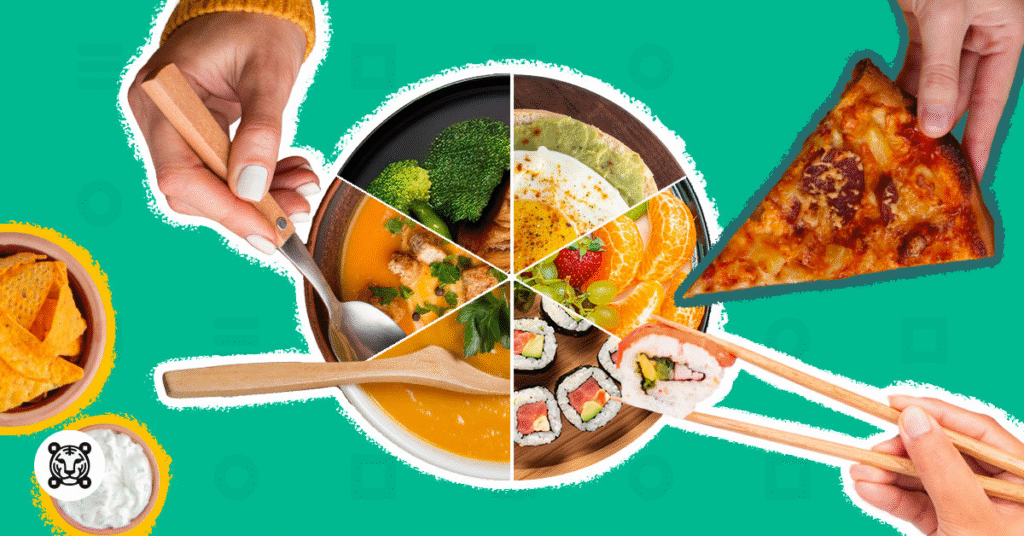
We’ve been brainwashed by 30-second cooking videos on Instagram and TikTok. You know the ones: perfect lighting, ASMR chopping sounds, and a final dish that looks like it belongs in a Michelin-starred restaurant. It makes normal home cooking look utterly exhausting and intimidating.
But let’s look at history. The most iconic comfort foods across the globe—Italian Cacio e Pepe, Spanish Tortillas, or a basic, rich Japanese Tamago Kake Gohan—were not invented by chefs trying to show off. They were created by regular, tired people using whatever three or four basic ingredients they had lying around.
Simplicity isn’t lazy; it’s smart. When you stop hiding your food behind forty different ingredients, you actually let the real flavors do the talking. Plus, let’s be real: less time measuring out tiny teaspoons of spices means more time to pour a glass of wine and actually decompress.
The Low-Stakes Triumph of the One-Pan Meal
If we’re being completely honest, the worst part of cooking isn’t the actual cooking. It’s the depressing mountain of crusty pots and pans waiting for you in the sink afterward. A messy kitchen can ruin the mood of a great meal faster than anything else.
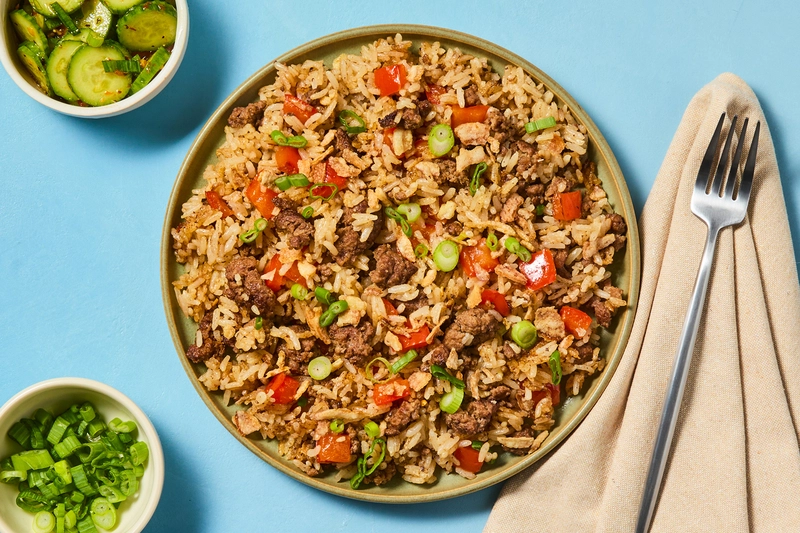
That is exactly why the one-pan or one-pot meal is the ultimate life hack for busy adults.
[ Protein + Veggies + Seasoning ] ──> [ Toss onto One Sheet Pan ] ──> [ Bake at 200°C ] ──> [ Eat + 5-Minute Cleanup ]
Whether it’s throwing chicken thighs and sweet potatoes onto a single baking sheet with some olive oil and rosemary, or building a hearty, rustic stew in a single heavy pot, you are letting the oven do the heavy lifting. The flavors meld together beautifully in their own juices, and your post-dinner cleanup takes all of five minutes. It’s maximum reward for minimum collateral damage.
Redefining Food as Actual Self-Care
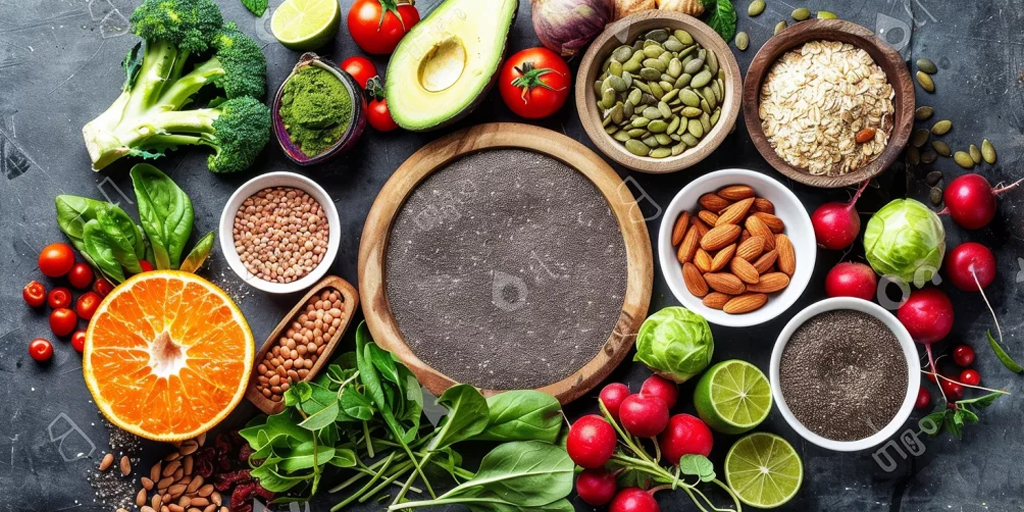
We’ve turned the concept of “self-care” into a commercial industry of expensive face masks, spa days, and wellness retreats. But real self-care is much more mundane, and it happens in the kitchen.
When you spend twenty minutes chopping vegetables, listening to a podcast, and stirring a simmering sauce, you are forcing your brain to do something it rarely gets to do during the day: focus on just one tangible thing. It’s active meditation.
            [ The Emotional ROI of Cooking ]
                           │
          ┌────────────────┴────────────────┐
          ▼                                 ▼
 [ Mindful Separation ]            [ Emotional Comfort ]
  Chopping and stirring            Eating a meal that says:
  forces a mental break            "You are worth the effort."
  from the digital noise.
Feeding yourself a hot, home-cooked meal is a quiet way of telling yourself that your well-being matters. It’s an act of respect for your own body and mind.
How Easy Recipes Build Low-Stress Consistency
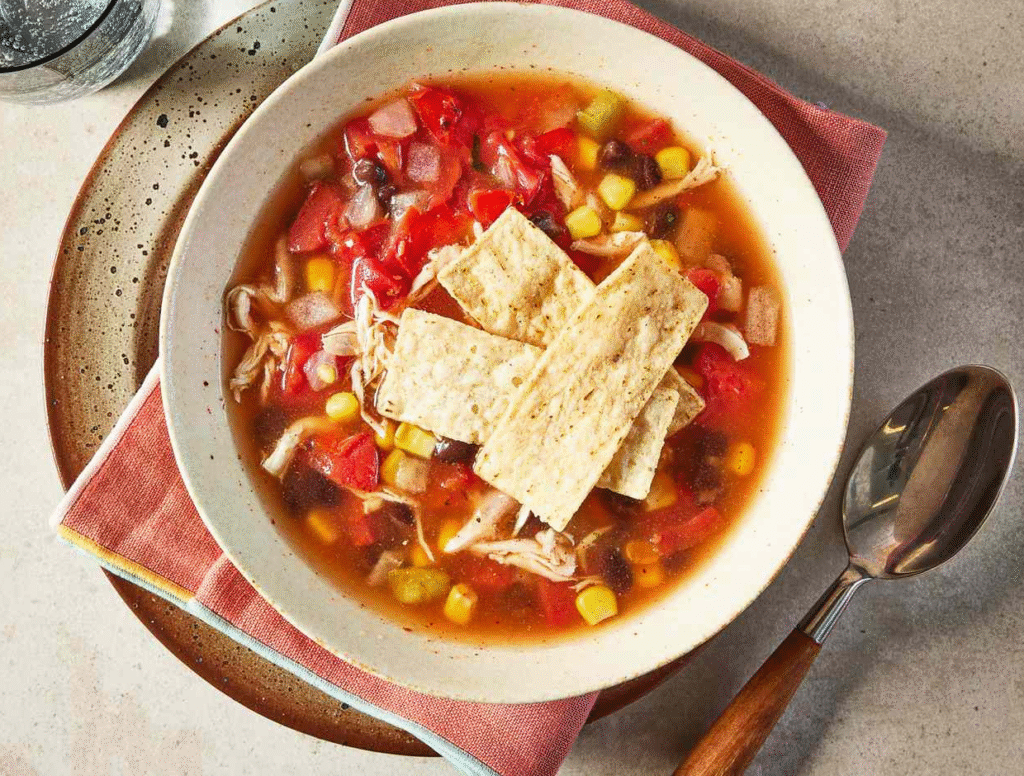
The reason most people abandon their grand plans to “cook more” is that they set the bar ridiculously high. They buy $150 worth of groceries on a Sunday, attempt a massive, multi-step meal prep on Monday, get entirely overwhelmed, and by Wednesday they are staring at rotting spinach while ordering pizza.
If you want to build a real habit, you have to lower the barrier to entry.
- Keep the pantry stocked with “cheat codes”: Good olive oil, eggs, canned chickpeas, pasta, and frozen veggies.
- Give yourself permission to iterate: Master one incredibly basic thing—like a flawless 10-minute omelet or a foolproof roasted chicken breast—before you try to expand your repertoire.
- Embrace the leftovers: Don’t cook for one night; cook for two or three. Future you will thank you when Wednesday lunch is already solved.
The Table as a Sanctuary
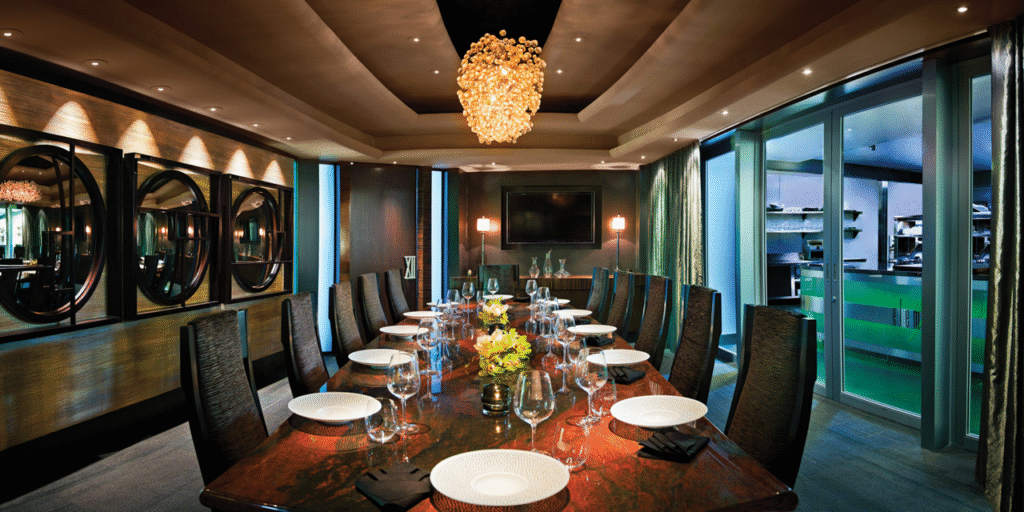
At the end of the day, food is the ultimate human equalizer. Nobody remembers the price tag of a restaurant meal years down the road, but they remember the loud, chaotic dinners at home where someone spilled the water, the music was too loud, and the conversation lasted hours past the final bite.
You don’t need to impress people with your culinary techniques. People just want to be fed something warm and comforting by someone who cares about them. By keeping the food simple, you take the pressure off yourself as a host, allowing you to actually sit down and be present with the people you love. And that, far more than the food itself, is what makes a meal unforgettable.
FAQs
1. What are easy food recipes?
Easy food recipes are simple meals that require basic ingredients and minimal cooking time.
2. Can beginners make these recipes?
Yes, easy recipes are perfect for beginners and help build cooking confidence.
3. Are homemade meals healthier than takeout?
In many cases, homemade meals allow you to control ingredients and portion sizes, making them a healthier option.
4. How can I save time while cooking at home?
Use simple recipes, prepare ingredients in advance, and choose one-pan or quick-cook meals.
5. Why is home cooking important?
Home cooking can save money, improve eating habits, and create enjoyable moments with family and friends.