
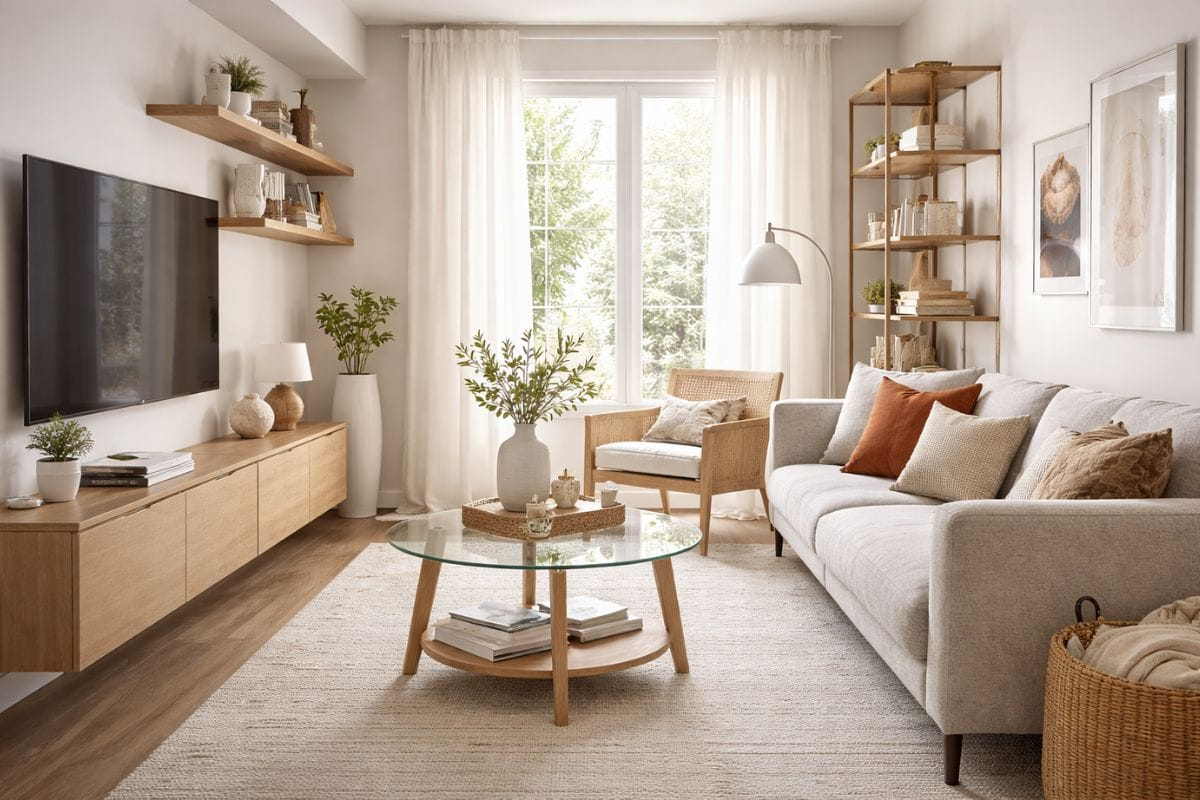
We are currently living through one of the strangest paradoxes in human history. We Modern possess tools that can automate our chores, deliver groceries to our doors in twenty minutes, and connect us to anyone on the planet instantly. In theory, we should be the most relaxed, liberated generation to ever walk the earth.
Yet, if you look around, almost everyone is utterly exhausted. We are constantly vibrating Lifestyle with a low-level anxiety, fueled by a relentless barrage of push notifications, packed calendars, and the unstated social expectation that we should always be working, always side-hustling, and always optimizing our lives.
A true modern lifestyle isn’t about owning the sleekest minimalist gadget, drinking a specific brand of powdered greens, or displaying a flawless aesthetic on a digital feed. That isn’t living; it’s marketing. A real, functional modern lifestyle is an act of quiet rebellion. It is the deliberate decision to use modern convenience to buy back your time, protect your sanity, and build a reality that actually feels good on the inside—not just one that looks good to strangers.
The Great Uncoupling: Intentional vs. Reactive Living

Most people don’t design their lives; they react to them. They wake up to a screaming alarm, immediately check their phones, absorb the collective stress of the world’s news before their feet hit the floor, and spend the next twelve hours putting out other people’s fires.
To break out of this cycle, you have to ruthlessly curate your daily intake. This starts with a digital boundary audit. Your attention is the most valuable commodity on earth, and tech companies spend billions designing algorithms to steal it. If you don’t build a wall around your focus, someone else will monetize it.
- The No-Phone Zone: Make the first 30 minutes of your morning and the last 30 minutes of your evening completely analog. Let your brain baseline itself in reality before you expose it to the digital firehose.
- The Notification Purge: Turn off every single notification that isn’t from a real human being trying to reach you in real-time. You do not need a little red dot telling you that a shopping app missed you today.
The Physical Foundation: Moving Away from Maintenance Overhaul
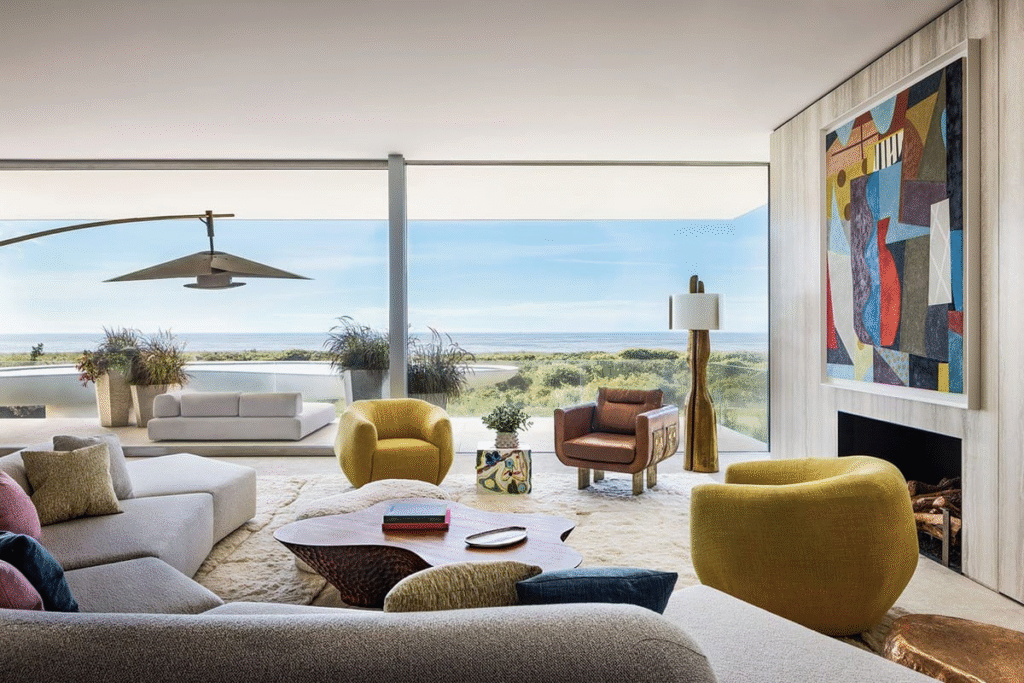
The wellness industry has made staying healthy feel incredibly complicated and elitist. They tell you that if you aren’t doing a 75-minute hot yoga session followed by an ice bath and an organic seed blend, you’re failing.
But your body doesn’t care about luxury trends; it cares about basic biological consistency.
The 80% Rule for Longevity: Stop trying to completely overhaul your entire physical existence in a single weekend. True, sustainable physical health is unglamorous. It’s drinking water when you wake up, walking around the block on your lunch break to get sunlight in your eyes, and cooking a real, single-ingredient meal a few nights a week instead of relying on a delivery app.
When it comes to movement, find something that doesn’t feel like a punishment. If you hate the gym, don’t go. Walk, cycle, play a sport, or lift heavy things in your garage. The best exercise routine is simply the one you don’t quit after three weeks because you dread it.
The Work-Life Blur: Redefining the Boundaries

The rise of remote work and digital connectivity promised us freedom, but for many, it simply turned the home into a permanent office. When your laptop lives on your kitchen table, it is incredibly easy to feel like you are always “on call.”
To survive in a modern professional environment without burning out, you must treat your personal time with the exact same professional respect you give your client meetings.
If you don’t explicitly set an end to your workday, it will naturally bleed out until it consumes your entire evening. Close the laptop tabs, physically put the work devices away in a drawer out of sight, and create a psychological transition ritual—a walk, a shower, a change of clothes—that signals to your brain that it is safe to step down from survival mode.
Protecting Your Real Estate: Domestic and Financial Wellness

Your environment drastically dictates your mental bandwidth. A cluttered, chaotic living space creates an underlying visual noise that makes it incredibly difficult for your brain to fully drop its guard and relax.
1. The Clutter Tax
Every object you own demands a tiny fraction of your time, attention, and energy. You have to clean it, organize it, store it, or feel guilty about not using it. Adopting a modern, intentional relationship with your space means looking at your belongings and keeping only what serves a functional purpose or genuinely brings you joy. Clear surfaces create clear minds.
2. Financial Sovereignty
You cannot build a peaceful lifestyle if you are constantly living on the edge of a financial cliff. Modern consumer culture is engineered to make you spend money you don’t have, on things you don’t need, to impress people you don’t like.
| The Modern Consumer Trap | The Financial Wellness Blueprint |
| Buying items instantly on credit to satisfy a momentary spike of boredom or dopamine. | Implementing a 48-hour cooling-off rule for any non-essential online purchase. |
| Having zero visibility into monthly subscription leaks and automated payments. | Conducting a quarterly audit to aggressively cancel apps and services you haven’t used in 30 days. |
| Treating saving as an afterthought (only saving what is left over at the end of the month). | Automating your savings the exact day your paycheck arrives, making it invisible and untouchable. |
Designing a Comfortable Living Space
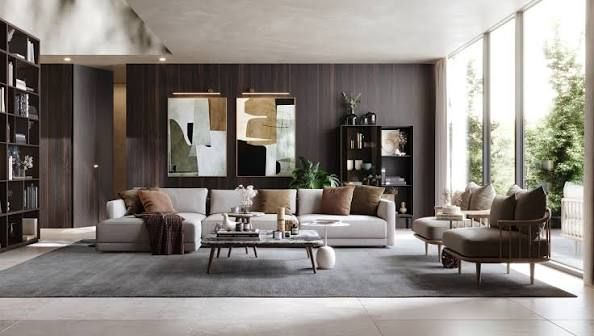
Our surroundings have a powerful influence on mood and productivity. A clean, organized, and comfortable home supports a healthier lifestyle.
Simple improvements such as decluttering, adding indoor plants, improving lighting, and creating dedicated spaces for work and relaxation can make a noticeable difference.
Natural light, calming colors, and comfortable furniture contribute to a peaceful atmosphere where both productivity and relaxation become easier.
Keeping living spaces organized also reduces daily stress by making routines more efficient.
A welcoming home becomes a place of comfort after busy days.
FAQ’S
1. What is a modern lifestyle?
A modern lifestyle focuses on balance, health, productivity, and personal well-being.
2. How can I improve my lifestyle?
Build healthy habits, stay active, eat well, and manage your time effectively.
3. Why is work-life balance important?
It helps reduce stress and improves overall happiness and productivity.
4. How does technology affect modern living?
Technology makes life easier but should be used in moderation to maintain balance.
5. What are the key habits of a healthy lifestyle?
Regular exercise, nutritious eating, quality sleep, and positive daily routines are essential.