
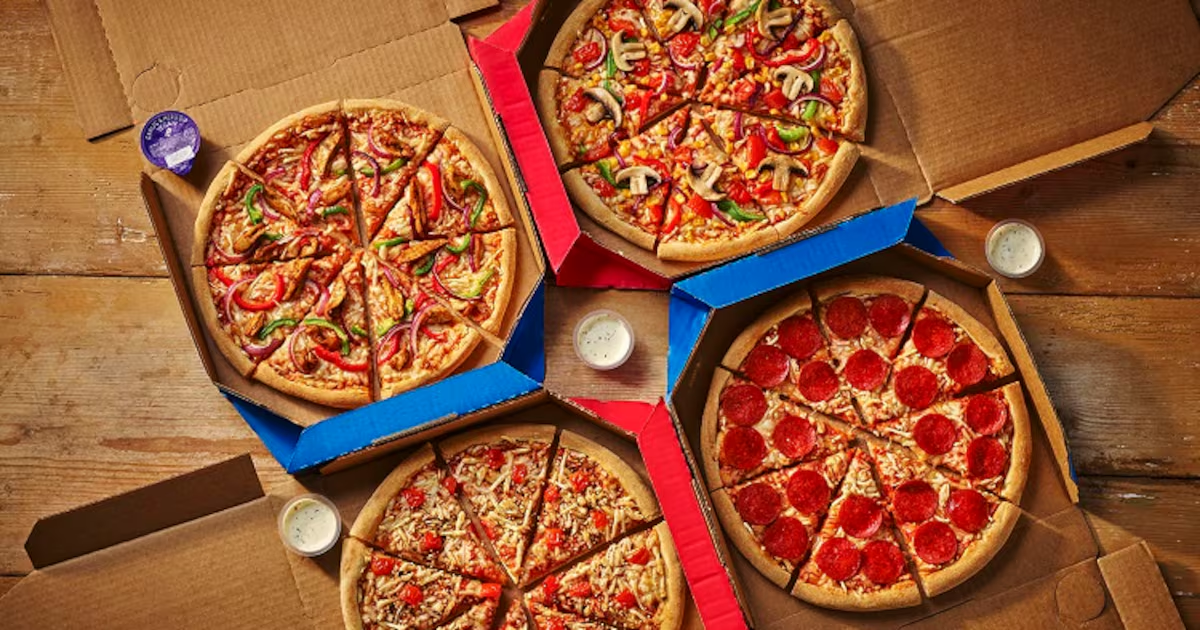
There is a universal, slightly tragic ritual we’ve all participated in: It’s Friday night, you’re exhausted, and you pay entirely too much money for a delivery pizza that arrives lukewarm, damp from its own steam, and tasting vaguely of the cardboard box it rode in on.
We accept it because pizza is the ultimate comfort food. But there is a massive difference between surviving on delivery and the sheer, tactile alchemy of pulling a blistering, charred, bubble-crusted masterpiece out of your own oven.
Making pizza at home has a reputation for being intimidating. People worry about finicky yeast, throwing dough in the air like a theatrical pizzaiolo, or ruining their ovens. But let’s drop the culinary gatekeeping. At its core, pizza is just bread, tomatoes, and cheese. Once you learn a few basic laws of kitchen physics, you can consistently out-bake your local slice joint using nothing more than a standard home kitchen and a little bit of patience.
The Crust: Where the Magic Lives or Dies
If your crust is bad, the entire pizza is a write-off. You can pile white truffles and gold leaf on a soggy, dense base, and it will still taste like a mistake. The secret isn’t a secret at all—it’s just managing your gluten and your clock.
The Flour Showdown
If you use standard All-Purpose (AP) flour, you’ll get a perfectly decent, soft, flatbread-style crust. But if you want that iconic, chewy, artisan texture with gorgeous air pockets, hunt down Bread Flour or Italian Tipo 00 flour. They have a higher protein content, which means they build a stronger gluten network when kneaded. That network acts like a net, trapping the gasses from the yeast and giving you that beautiful, puffy rise.
When it comes to making homemade pizza, the flour you choose can make a huge difference in the final result. While toppings, cheese, and sauce all add flavor, the crust is the foundation of every great pizza. The right flour determines whether your pizza has a crispy base, a soft interior, or the chewy texture that many people love in traditional pizzeria-style pizzas. Bread flour is often considered the top choice for homemade pizza because it contains a higher amount of protein than regular all-purpose flour. This extra protein helps develop stronger gluten during kneading, creating a dough that is stretchy, elastic, and capable of producing a beautifully chewy crust with a crisp exterior. If you enjoy classic New York-style or artisan pizzas, bread flour is an excellent option.
The Element of Time
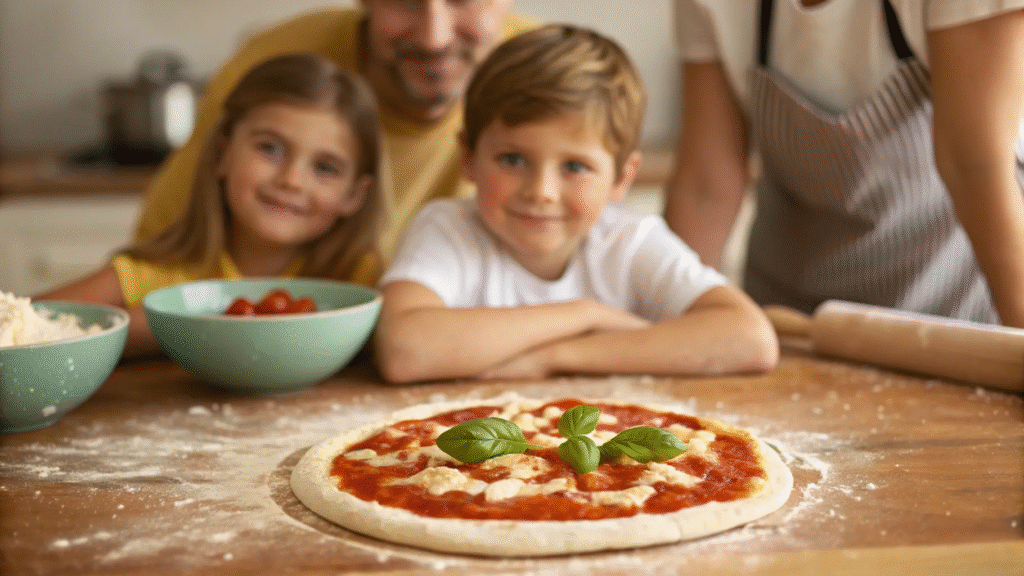
The biggest mistake beginners make is rushing the rise. Yes, you can use quick-rise yeast and bake a pizza in an hour. But if you want depth of flavor—that complex, slightly tangy sourdough note—throw your dough ball into a covered bowl and stick it in the refrigerator for 24 to 48 hours. This slow, cold fermentation lets the yeast work at a leisurely pace, breaking down starches into complex sugars. It is the single easiest way to elevate your pizza from “hobbyist” to “professional.”
Sauce, Cheese, and the Art of Restraint
When it comes to building a pizza, your worst enemy is your own greed. We all want a mountain of toppings, but physics always wins: too much weight kills the bake.
1. The Sauce
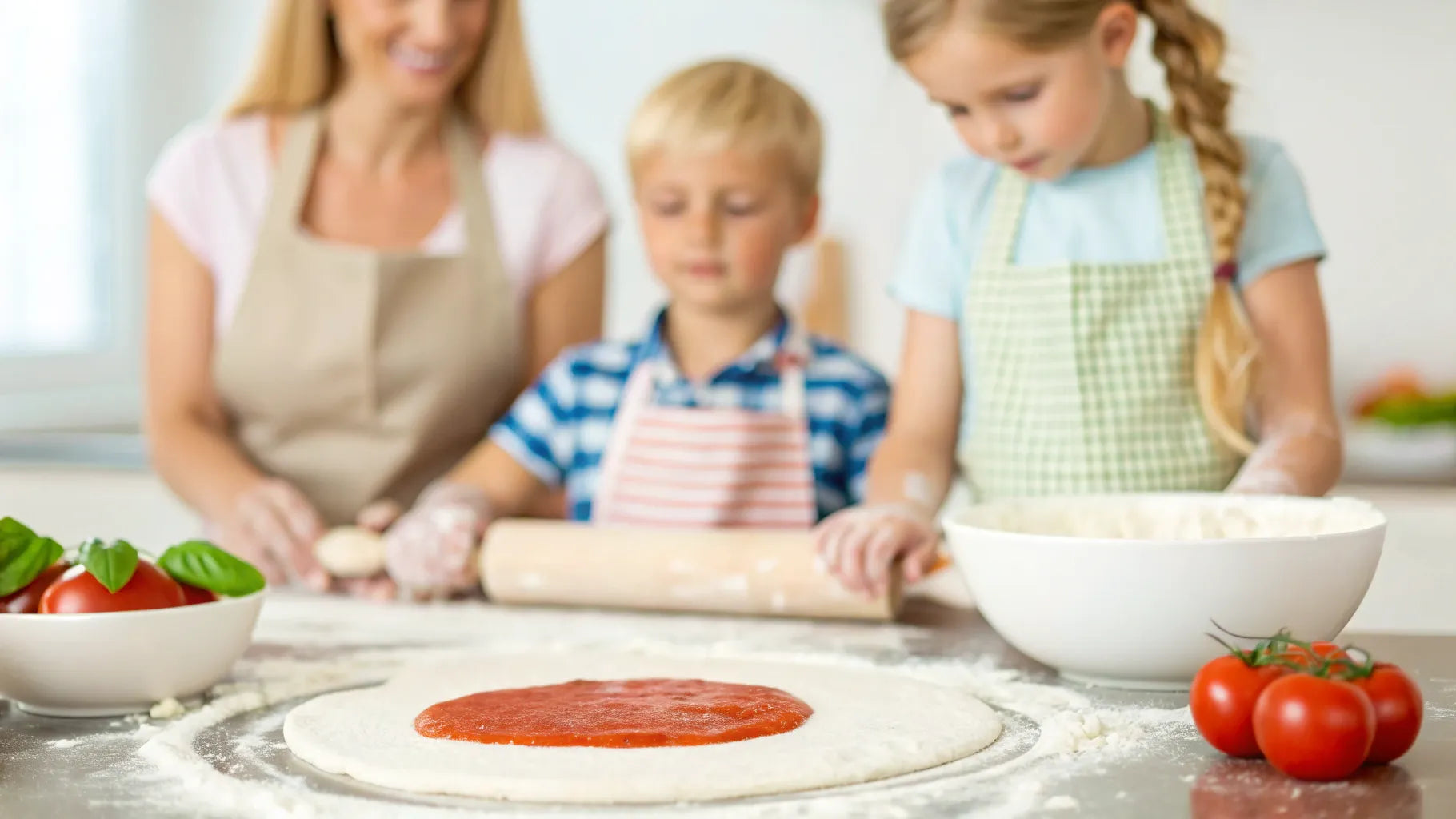
Stop cooking your pizza sauce for hours on the stove. By the time it hits the pizza, it’s already paste. Instead, grab a can of high-quality crushed tomatoes (San Marzano if you can find them), mix in a pinch of salt, a splash of good olive oil, a smashed garlic clove, and a few torn basil leaves. Leave it raw. It will cook perfectly in the two minutes it spends in the intense heat of the oven, retaining a bright, acidic punch that cuts through the rich cheese.
2. The Cheese Crisis
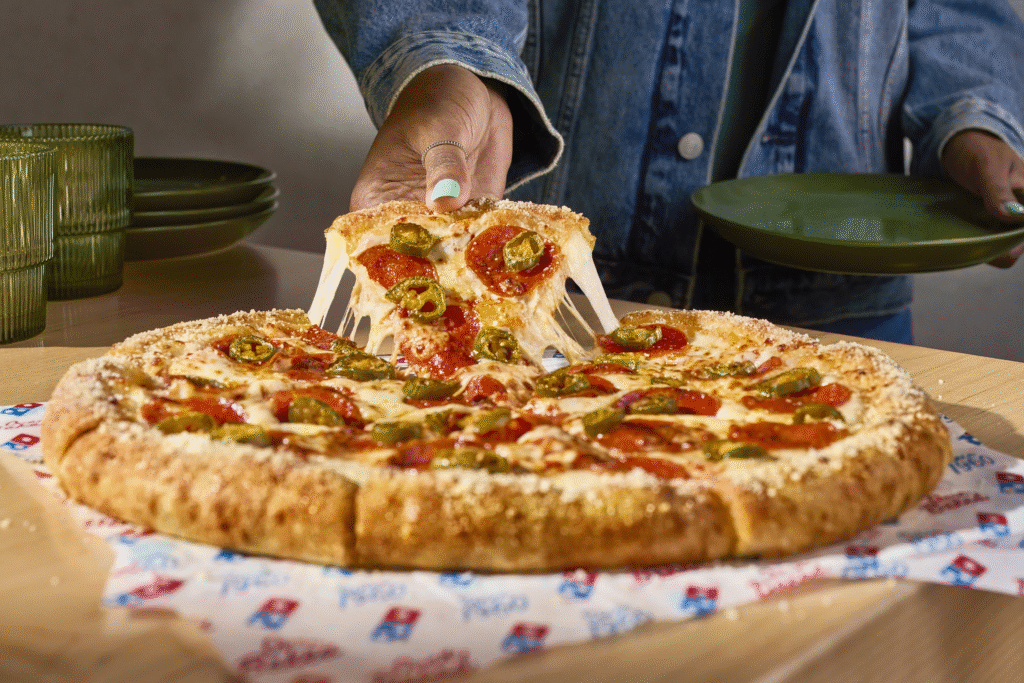
The Golden Rule of Cheese: Buy a block of low-moisture mozzarella and grate it yourself. Avoid the pre-shredded bags like the plague. Packaged shredded cheese is coated in potato starch or cellulose to keep it from clumping in the bag. That coating ruins the melt, turning your pizza into a patchy, greasy blanket rather than a glossy, stretchy wonderland.
3. The Topping Balance

If you can’t see the sauce through your toppings, you’ve gone too far.
| Topping Category | The Amateur Mistake | The Pro Adjustment |
| Vegetables | Throwing raw, water-logged mushrooms and peppers straight onto the dough. | Sautéing or roasting them beforehand to draw out the excess moisture, preventing a soggy crust. |
| Meats | Piling raw, thick sausage chunks on top. | Pre-cooking meats or using thinly sliced pepperoni that cups and crisps at the edges under high heat. |
| Herbs | Baking fresh basil until it turns into black, bitter ash. | Tearing fresh herbs onto the pizza the exact second it comes out of the oven so the residual heat releases the oils. |
Faking a 900-Degree Brick Oven
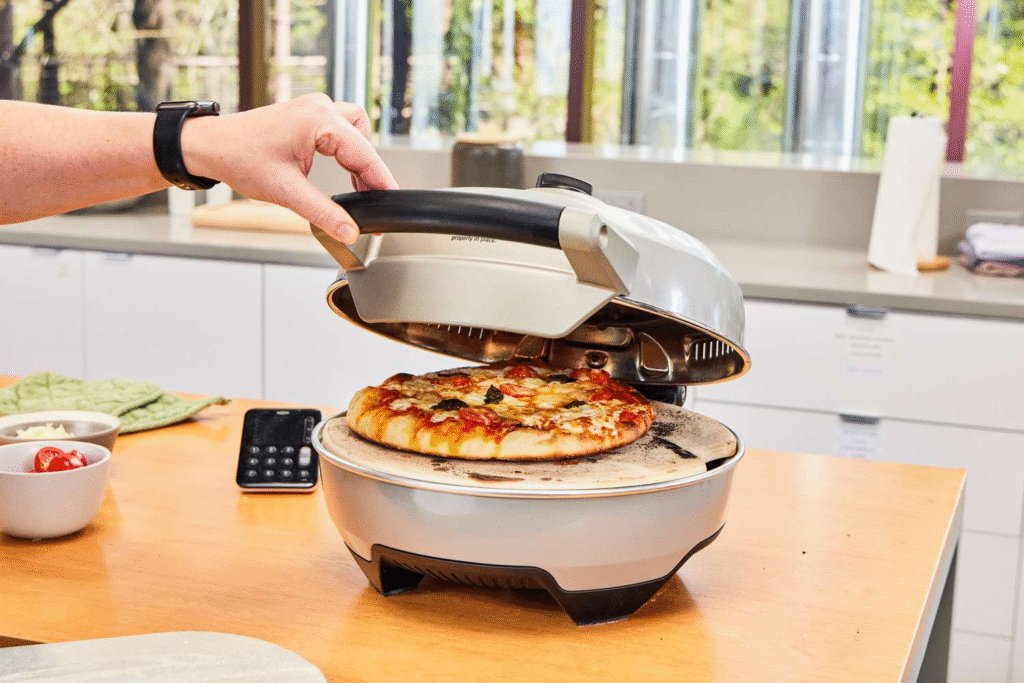
Commercial pizza ovens are roaring, terrifying beasts that sit at around 900°F (480°C) and cook a pie in 90 seconds. Your home oven tops out at 500°F or 550°F (260°C). To bridge that gap, you need to maximize thermal mass.
Do not use a thin, aluminum baking sheet; it loses all its heat the moment the cold dough touches it. Instead, invest in a Pizza Steel or a heavy Pizza Stone.
When you slide your pizza onto that screaming-hot surface, the intense contact heat instantly vaporizes the moisture in the bottom of the dough, forcing it to puff up violently. This creates those beautiful, dark, crispy spots known as “leopard frosting.”
Troubleshooting Your Pizza Failures
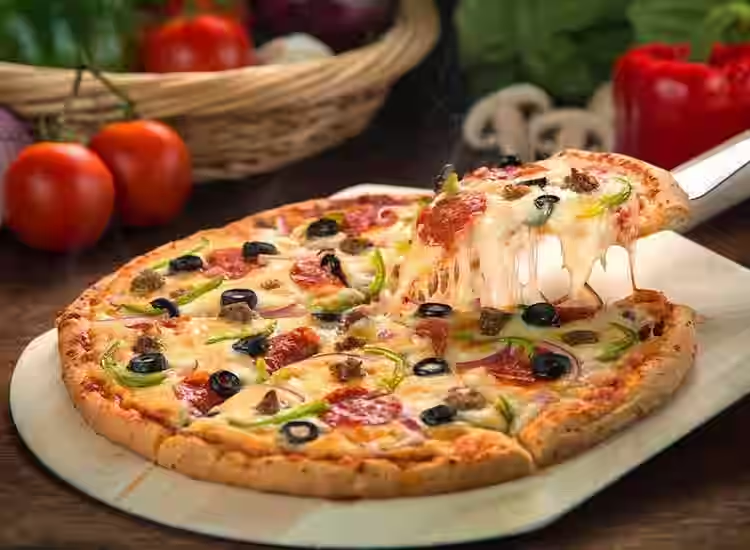
If your first few attempts don’t look like they belong on an Instagram feed, don’t panic. Every great baker has a graveyard of ugly pies. Here is how to fix the most common disasters:
- The Dough Snaps Back Like a Rubber Band: If you try to stretch your dough and it keeps shrinking back into a ball, the gluten is too tense. It’s likely too cold. Cover it, walk away for 20 minutes, let it reach true room temperature, and try again. Never use a rolling pin; you’ll pop all the beautiful air bubbles you waited days to create. Use your hands and let gravity do the pulling.
- The Pizza is Stuck to the Counter: There is nothing more heartbreaking than building a beautiful pizza, only to realize it has glued itself to the peel. Before you lay your dough down, dust the surface with a 50/50 mix of flour and cornmeal or semolina. Think of semolina like tiny ball bearings—it allows the pizza to slide effortlessly into the oven.
- The Center is a Wet Puddle: You used too much sauce, wet fresh mozzarella straight from the brine, or piled on too many raw veggies. Dial back the portions next time, and strain your cheese on paper towels before using it.
FAQ’S
1. What is the best flour for homemade pizza dough?
Bread flour is ideal for a chewy crust, while all-purpose flour also works well.
2. How long should pizza dough rise?
Pizza dough should rise for 1–2 hours or until it doubles in size.
3. What cheese is best for homemade pizza?
Fresh mozzarella is the most popular choice because it melts smoothly and adds rich flavor.
4. How can I make my pizza crust crispy?
Bake it in a preheated oven on a pizza stone or baking steel at a high temperature.
5. Can I prepare pizza dough in advance?
Yes, you can refrigerate pizza dough for up to 48 hours for better flavor and texture.