
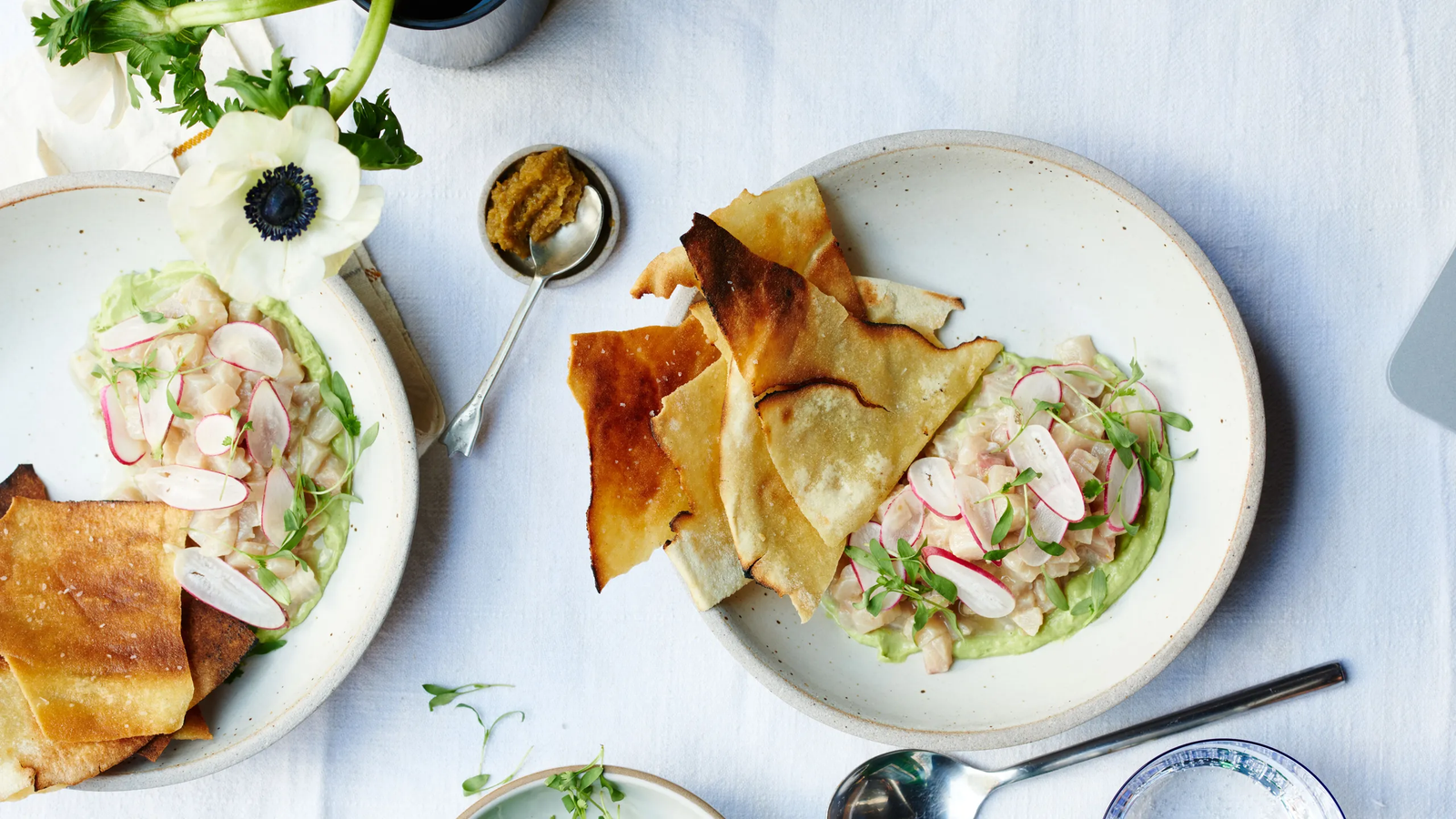
There is a specific category of ingredients that quietly sits in the door of the refrigerator for six months, completely forgotten until a recipe specifically calls for a tiny dab. Then there are those rare, high-impact condiments that fundamentally reset how you think about seasoning your dinner. Yuzu kosho belongs squarely in the second group.
If you have never run across it at an Asian market or seen it on a menu, this traditional Japanese paste is a concentrated mixture of fermented yuzu citrus peel, raw chilis, and sea salt. The first time you taste it, the hit of flavor is almost startling. You get a burst of aromatic, bitter-sweet citrus, followed immediately by a sharp chili bite and a deep, savory saltiness. Because it packs such an intense punch, you do not need a pantry full of specialty items or hours of prep to make it work. A quarter-teaspoon stirred into a pan of ordinary weeknight ingredients can instantly make a meal taste like it came straight out of a bustling Tokyo izakaya.
Breaking Down the Flavor Profile
Green vs. Red Yuzu Kosho
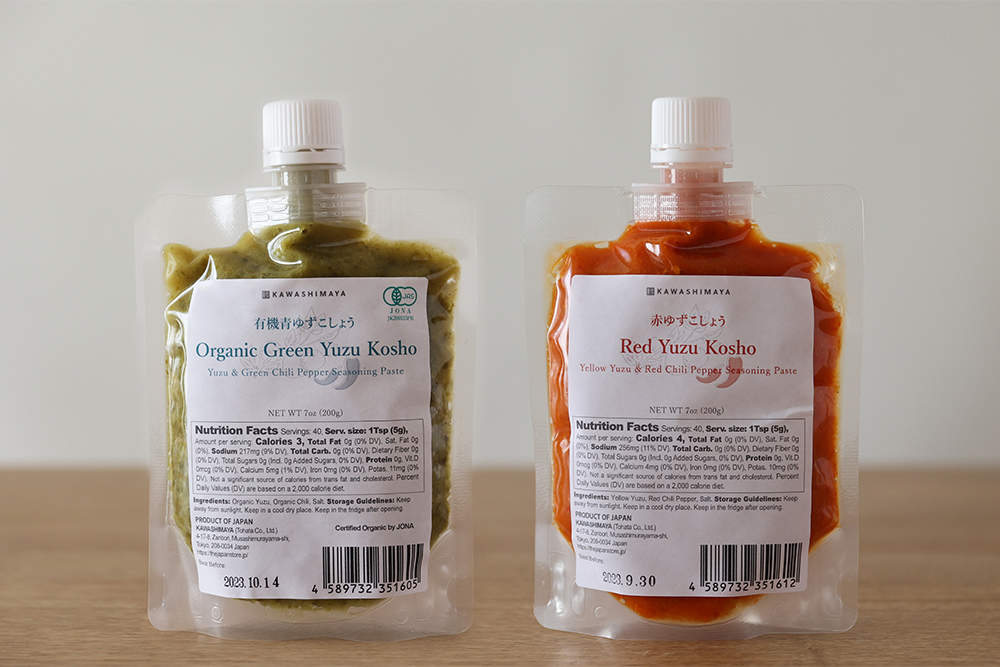
When you search the international aisle or your local Japanese grocery store, you will usually see two distinct jar colors:
- Green Yuzu Kosho (Aotogarashi): Made using unripe green yuzu peel and green chilis. It is bright, herbal, sharp, and carries a piercing, fresh bite. It works best with delicate white fish, chicken, raw seafood, and light noodle broths.
- Red Yuzu Kosho (Akatogarashi): Made with fully ripe yellow yuzu peel and red chilis. It offers a slightly warmer, rounder heat with deeper floral undertones. It pairs brilliantly with rich, fatty cuts of meat like ribeye steak, pork belly, or heavy winter stews.
10 Practical Ways to Start Cooking
1. Pan-Glazed Yuzu Kosho Chicken Thighs
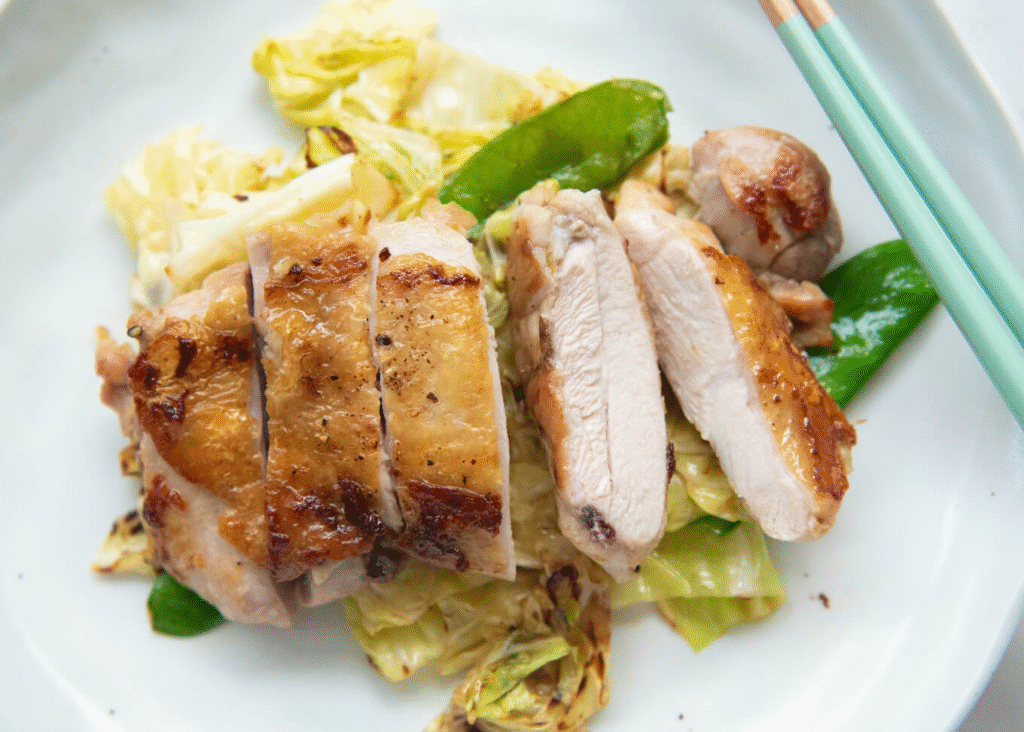
Chicken thighs have enough natural fat to stand up to the bright, acidic punch of yuzu kosho without getting overwhelmed.
Mix a teaspoon of green yuzu kosho with a tablespoon of soy sauce, a splash of honey or mirin for balance, and a touch of neutral oil. Coat boneless chicken thighs in the mixture and let them rest on the counter for 15 minutes. Sear them in a hot cast-iron skillet until the skin turns crisp and golden. The honey caramelizes quickly alongside the salty chili paste, leaving a savory glaze over the meat.
2. Udon in Brightened Dashi Broth
When you want a comforting, steaming bowl of noodles that does not feel heavy, yuzu kosho acts as the bridge between rich broth and fresh aromatics.
Prepare a classic dashi or light soy-based broth and drop in your cooked udon noodles. Right before taking the pot off the stove, dissolve a small dollop of green yuzu kosho directly into the liquid. The ambient heat instantly releases the citrus oils from the paste, transforming a basic broth into an aromatic meal. Top with fresh scallions, sesame seeds, or a soft-boiled egg.
3. Garlic & Yuzu Kosho Butter Shrimp
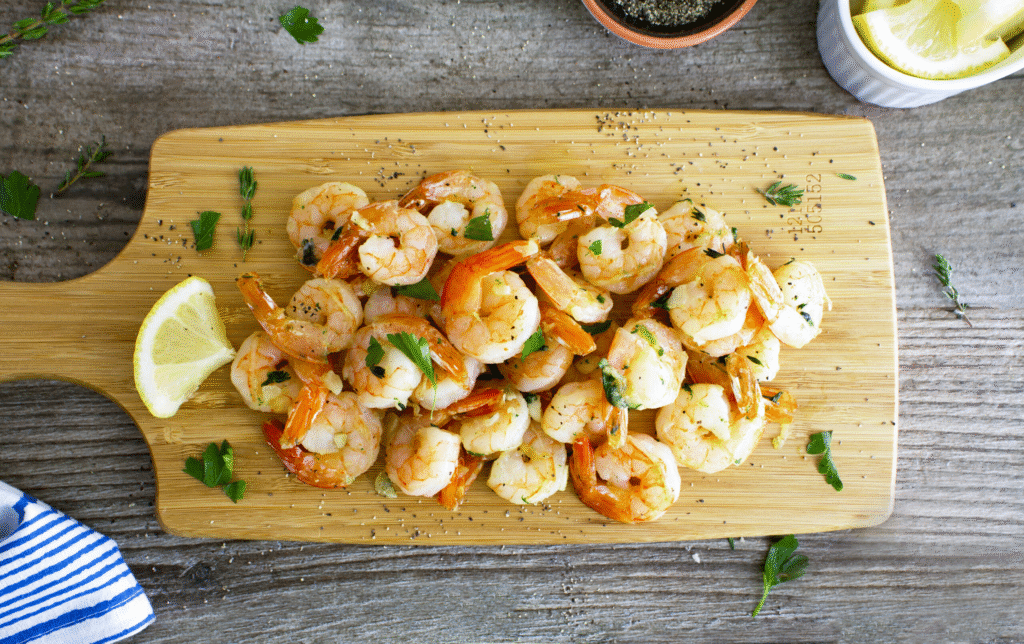
Shrimp cooks in under three minutes, which makes it ideal for a fast weeknight dinner that still feels special.
Melt two tablespoons of unsalted butter in a skillet over medium heat, then toss in minced garlic and a half-teaspoon of yuzu kosho. As soon as the garlic sizzles and smells sweet, drop in your peeled shrimp and sauté until opaque. The rich creaminess of the melted butter softens the sharp chili heat, while the citrus cuts cleanly through the richness. Serve it right away over warm rice or with crusty bread for dipping.
4. Quick Ponzu-Style Dipping Sauce
You do not always have to turn on the stove to make yuzu kosho shine. Leaving it unheated keeps its raw, vibrant character intact.
Whisk a teaspoon of yuzu kosho into three tablespoons of soy sauce, a tablespoon of fresh lemon or lime juice, and a few drops of toasted sesame oil. This creates an instant ponzu-style dipping sauce with an extra chili bite. It is fantastic alongside pan-fried dumplings, seared steak slices, chilled tofu, or fresh sashimi.
5. Japanese Wafu Butter & Garlic Pasta
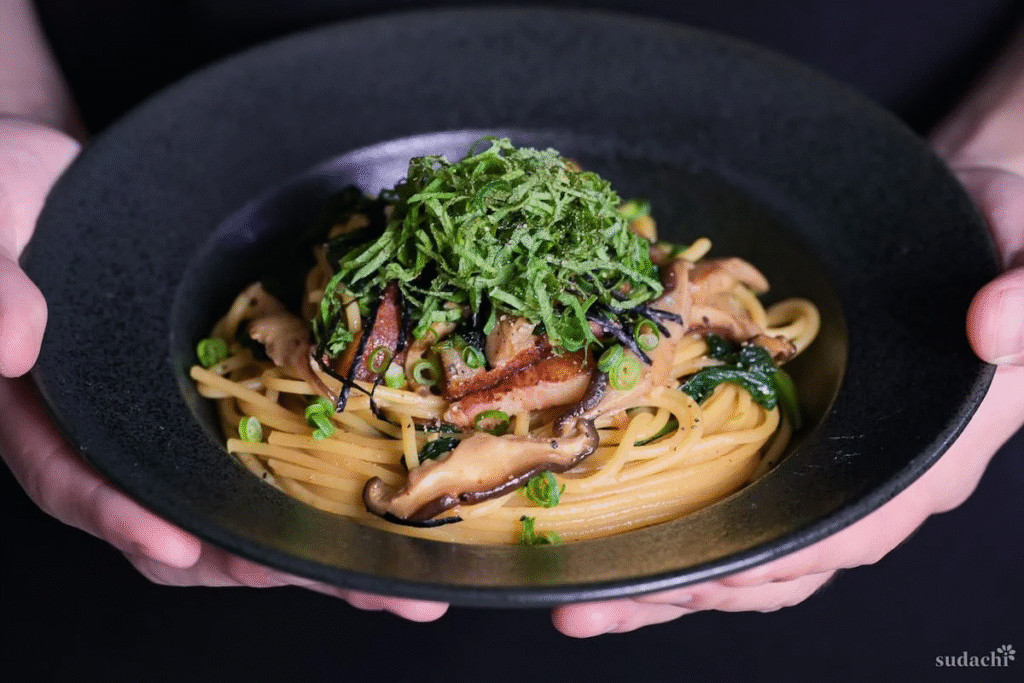
Japanese wafu (Western-inspired) pasta relies on simple umami pairings like soy sauce, butter, and seaweed. Adding yuzu kosho elevates the whole concept.
[ Cook Pasta Al Dente ] ──► [ Emulsify: Butter + Pasta Water + Yuzu Kosho ] ──► [ Toss & Finish ]
Boil spaghettini or fettuccine in salted water. While it cooks, melt butter in a pan with garlic and a dab of green yuzu kosho. Transfer the cooked pasta directly into the pan along with a splash of starchy pasta water. Toss vigorously to create an emulsion that clings to the noodles. Finish with shredded nori (dried seaweed) and a quick squeeze of lemon.
6. Salmon & Rice Bowl
Oily fish like salmon, black cod, or mackerel benefit immensely from sharp, high-acid toppings that slice through their natural rich oils.
Brush a salmon fillet with a loose mixture of yuzu kosho, soy sauce, and sesame oil, then broil or pan-sear until the edges get crispy. Flake the salmon over a bowl of warm short-grain rice. Add sliced cucumbers, shelled edamame, and a drizzle of the remaining pan juices. The heat from the fish melts the condiment directly into the rice underneath.
7. Pan-Seared Salmon with a Citrus Glaze
If you want a plated main dish rather than a bowl, use yuzu kosho as a surface finish for pan-seared fish.

Season salmon fillets lightly with salt, keeping in mind that yuzu kosho already brings plenty of sodium. Sear the fish skin-side down in a hot pan until crisp, flip, and brush the top flesh with a mixture of yuzu kosho, a splash of sake, and a touch of rice vinegar. The heat converts the liquid into a glossy, aromatic glaze that locks in moisture.
8. High-Heat Vegetable Stir-Fry
Routine sautéed greens can get boring quickly. Flash-frying them with a splash of yuzu kosho restores crispness and energy to everyday vegetable sides.
Heat a wok or heavy skillet until it is smoking hot. Toss in sturdy vegetables like broccoli florets, snap peas, sliced shiitake mushrooms, or shredded cabbage. Right at the end of cooking, pour in a splash of water mixed with yuzu kosho and soy sauce. The sudden burst of steam coats the vegetables evenly without making them soggy.
9. A Finishing Accent for Miso Soup
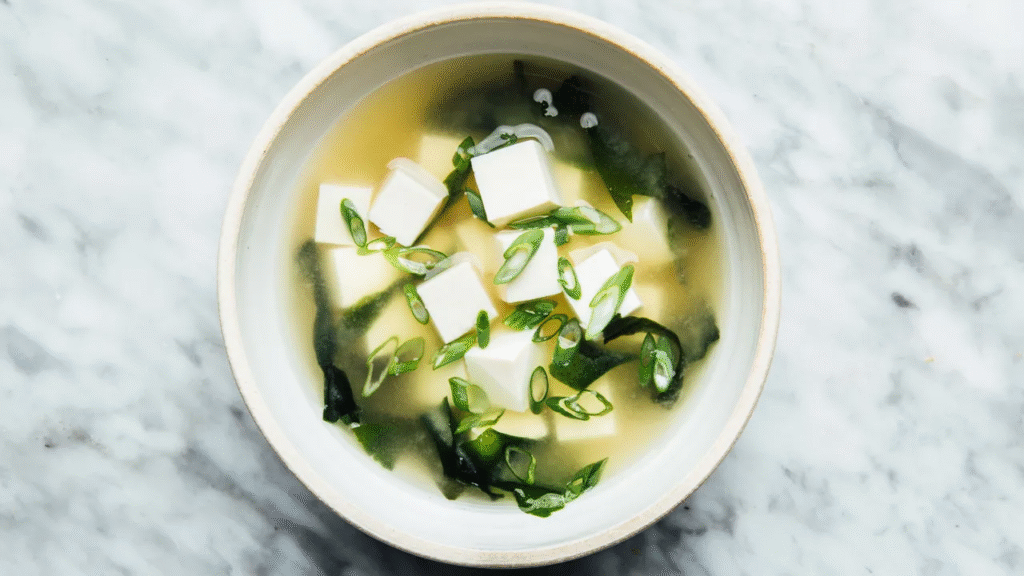
Miso soup relies on rich, fermented soybean paste, which can sometimes feel a bit dense on a warm day.
Prepare your standard miso soup using dashi, tofu, and wakame seaweed. Turn off the flame before stirring in your miso paste (boiling miso destroys its delicate probiotic flavor notes). Right before serving, spoon a tiny pinhead-sized dot of yuzu kosho into each bowl. As you stir the soup with your chopsticks, the citrus aroma rises right up with the steam.
10. Ultimate Yuzu Kosho Mayo
This is easily the highest-yield, lowest-effort trick on the list.
Simply whisk a teaspoon of yuzu kosho into high-quality mayonnaise (preferably Kewpie, which uses egg yolks instead of whole eggs for a creamier texture). The rich fat in the mayo cushions the sharp bite of the chilis, leaving you with a smoky, citrusy spread that upgrades almost anything it touches.
Smart Cooking & Storage Habits

- Keep an Eye on the Salt: Salt is the primary preserving agent in traditional yuzu kosho. Because the paste is quite salty on its own, always taste your food after adding it before you decide to throw in extra salt or soy sauce.
- Protect the Citrus Oils: Cooking the paste over high heat for too long burns off the delicate citrus top notes. Add a portion during cooking to build a base, but save a small fresh dab to drop on top right before serving.
- Storage for Long Shelf Life: Thanks to its high salt content, an opened jar of yuzu kosho will easily last in the refrigerator for 6 to 12 months. To keep the color vibrant and prevent the top layer from drying out, press a tiny piece of plastic wrap directly onto the surface of the paste before screwing the lid back on.
FAQ’S
1. What is yuzu kosho?
Yuzu kosho is a Japanese condiment made with yuzu citrus peel, chili peppers, and salt. It has a bright, spicy, and salty flavor.
2. What can you use yuzu kosho for?
You can use yuzu kosho in chicken, seafood, noodles, rice bowls, soups, stir-fries, marinades, dips, and sauces.
3. Is yuzu kosho spicy?
Yes, yuzu kosho has a noticeable chili kick. Start with a small amount and add more according to your taste.
4. What foods pair well with yuzu kosho?
It pairs especially well with chicken, salmon, shrimp, beef, tofu, noodles, rice, vegetables, and dumplings.
5. How much yuzu kosho should I use?
Because the flavor is concentrated, start with a small amount, such as half a teaspoon, then taste and adjust as needed.