
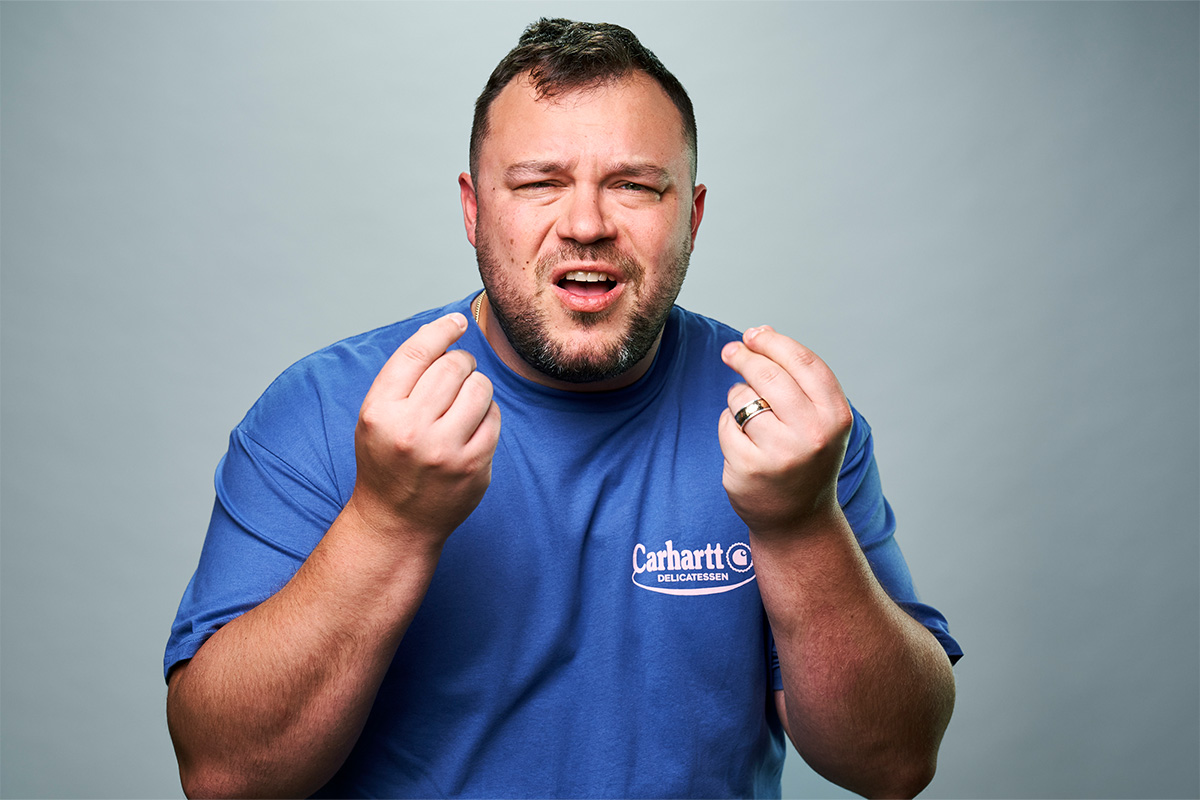
In recent weeks, comedian Ben Bankas found himself at the center of an intense online storm. What began as stand-up jokes shared through short clips quickly escalated into widespread backlash, heated debates about comedy limits, and the cancellation of multiple live shows. The situation has once again highlighted how quickly social media can reshape a public figure’s career — sometimes overnight.
Here’s a clear, human look at what happened, why it went viral, and why opinions remain deeply divided.
How the Controversy Started
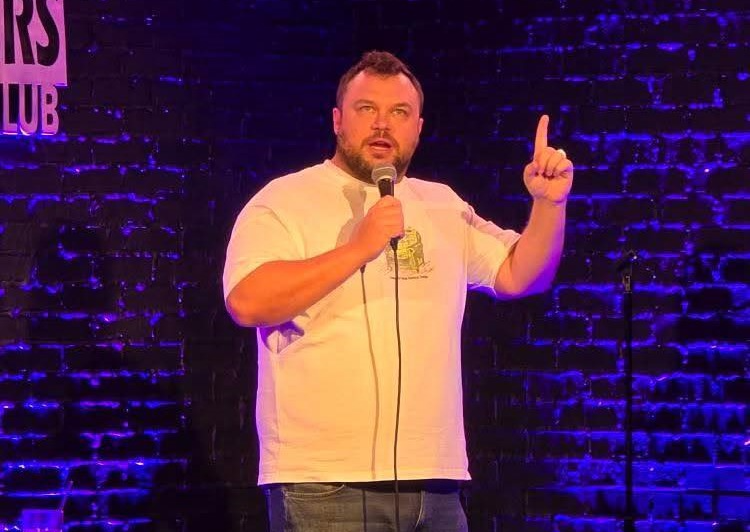
The situation began when clips from Ben Bankas’ stand-up performances started circulating widely on social media platforms. The jokes, which touched on sensitive subjects, were pulled out of longer routines and shared in short, highly consumable formats.
As with many viral moments, context was quickly lost. Viewers who had never seen Bankas perform live or followed his comedy style reacted based on seconds-long clips rather than full sets. Within hours, the videos sparked strong reactions, ranging from outrage to vocal support.
Social Media Reaction: Backlash and Division
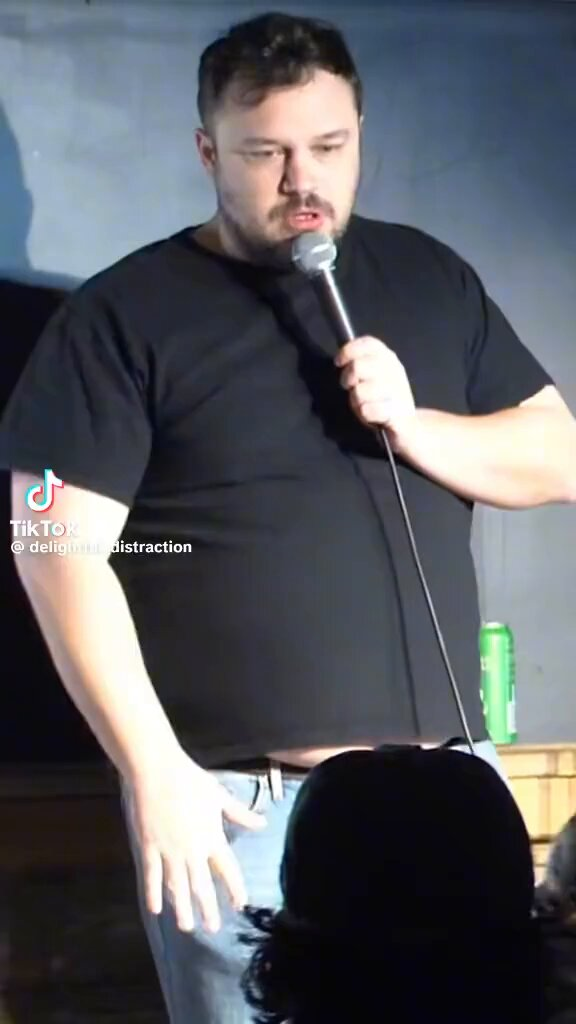
Social media platforms became the primary battleground. Critics accused Bankas of crossing ethical lines and being insensitive, arguing that certain topics should not be used for comedy. Some users called for venues to cancel his shows, framing the jokes as harmful rather than humorous.
At the same time, supporters pushed back just as strongly. They defended Bankas by emphasizing free speech, comedic intent, and the long-standing tradition of controversial humor in stand-up comedy. Many argued that comedy is meant to challenge discomfort and that jokes should not be judged outside their full context.
This sharp divide fueled further attention, pushing the controversy into trending territory.
Show Cancellations and Venue Decisions
As online pressure increased, several venues hosting Ben Bankas’ upcoming performances announced cancellations. While reasons varied, many cited safety concerns, potential disruptions, or the escalating controversy surrounding the comedian.
These cancellations became a turning point. What had been an online debate now had real-world consequences, raising questions about whether social media outrage should influence booking decisions and artistic expression.
| Venue Name | Location | Shows Cancelled | Reason Given / Notes |
|---|---|---|---|
| Laugh Camp Comedy Club | St. Paul, Minnesota, USA | Six sold-out shows scheduled for late January–early February | Cancelled after social media backlash over jokes about Renee Good; venue cited safety concerns and heightened threats as reasons for cancellation. |
| (Other Past Cancellations – Historical) Sault Community Theatre Centre | Sault Ste. Marie, Ontario, Canada | One show scheduled for March (2026) | Previously cancelled reportedly due to venue values not aligning with comedian’s material. |
Ben Bankas’ Response
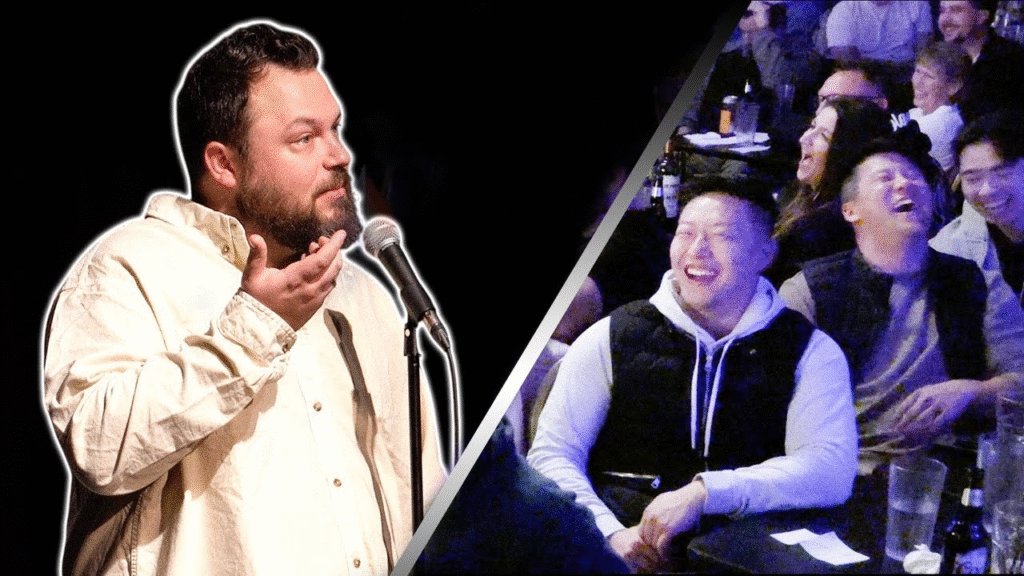
Ben Bankas addressed the controversy publicly, standing by his comedic approach while criticizing what he described as out-of-context interpretations of his jokes. He emphasized that stand-up comedy often relies on exaggeration and discomfort to provoke thought and laughter.
Rather than issuing a traditional apology, Bankas framed the backlash as part of a larger cultural shift, where comedy is increasingly scrutinized through social media lenses rather than live performance settings.
His response further polarized audiences — some appreciated his refusal to back down, while others felt it lacked accountability.
You Might Also Like
- Chipotle’s $1 Million Super Bowl Giveaway: How to Score Free Burritos and Bowls
- Record Domain Sale: AI.com Changes the Game in Tech

- Taylor Swift’s Opalite Music Video Breaks the Internet — Here’s What’s New
- Bitcoin Price Forecast: Will BTC Break New All-Time Highs Soon?

- The Lincoln Lawyer Season 4 Updates: Everything you need to know about it
The Bigger Conversation About Comedy Today
Beyond one comedian, this situation reignited a familiar debate: where is the line between comedy and offense in the age of viral clips?
Stand-up comedy has historically thrived on pushing boundaries, but social media has changed how jokes are consumed. A line delivered in a comedy club to a willing audience can feel very different when viewed on a phone by millions who never opted into the experience.
The Ben Bankas controversy underscores this shift. Comedians now face the challenge of performing for two audiences at once: the room they’re in and the internet that may later judge every word.
Final Thought
What happened with Ben Bankas is not just about a viral joke or a cancelled show. It’s a reflection of how entertainment, outrage, and social media now intersect in real time. As audiences, creators, and venues navigate this evolving landscape, one thing is clear: in the digital age, comedy no longer ends when the mic is turned off.
Disclaimer : This article is based on publicly available information, social media discussions, and reported events. It does not make legal claims or definitive judgments about intent or character. Readers are encouraged to explore multiple perspectives and sources to form their own opinions.
Hashtags
#BenBankas #ComedyControversy #ViralBacklash #CancelledShows #StandUpComedy #SocialMediaCulture #FreedomOfSpeech #Carrerbook #Anslation
Tags: Anslation, BenBankas, Carrerbook, FreedomOfSpeech, SocialMediaCulture, StandUpComedy, ViralBacklash