
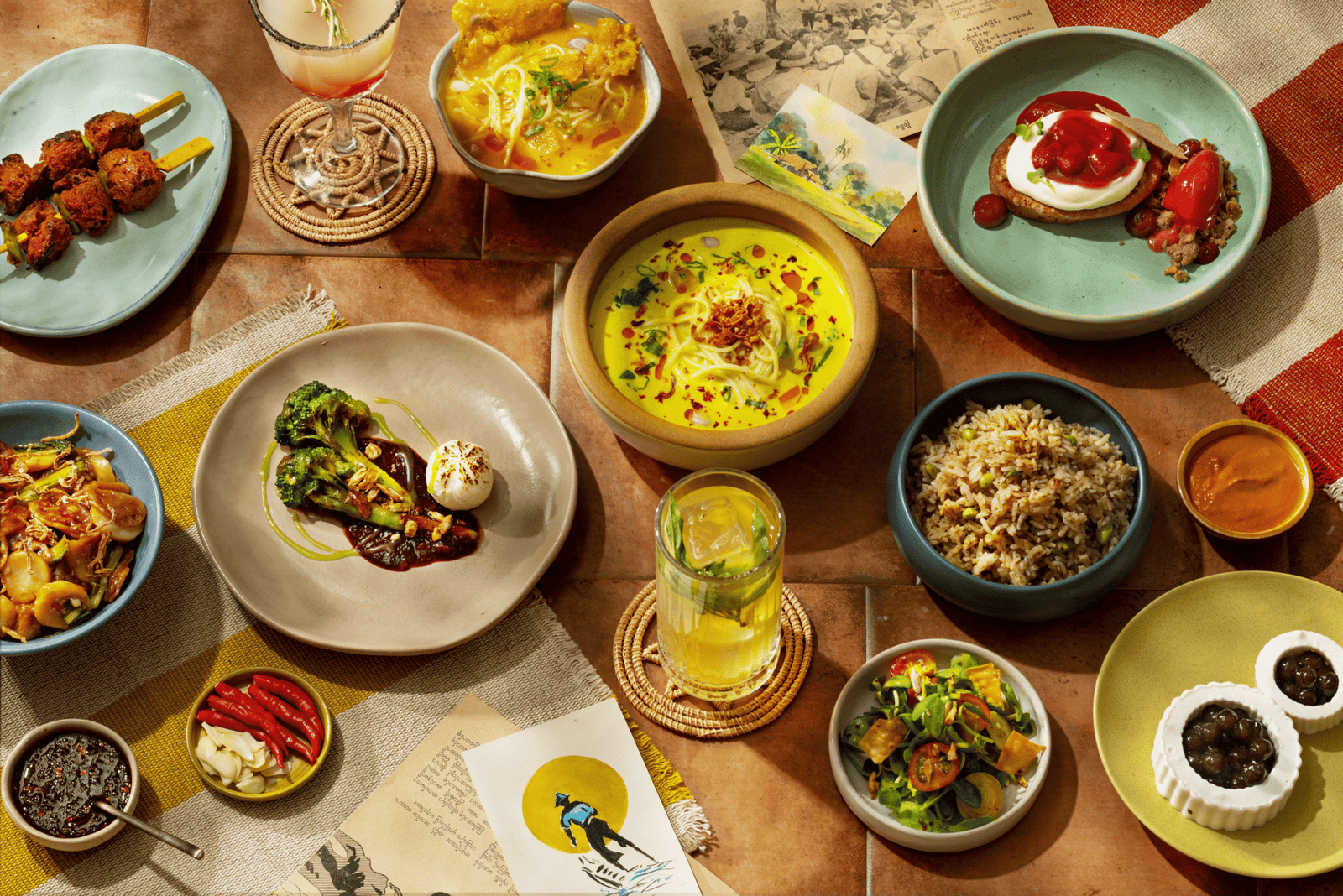
Noida’s foodscape isn’t defined by the quiet polish Noida of upscale dining rooms or the sanitized menus of corporate food courts. Its true identity thrives outdoors—along busy market lanes, beneath the glow of halogen bulbs at roadside stalls, and in the rhythmic clatter of iron skimmers against deep wok-like kadhais.
As a hub where young professionals, college students, and generations of long-time residents intersect, Noida has cultivated a street food scene that is fast, deeply comforting, and fiercely flavorful. It takes the rich, spice-heavy heritage of North India and blends it with regional adaptations, resulting in a daily culinary ritual that is as varied as it is vibrant.
1. Golgappe: The Physics of the Perfect Crunch
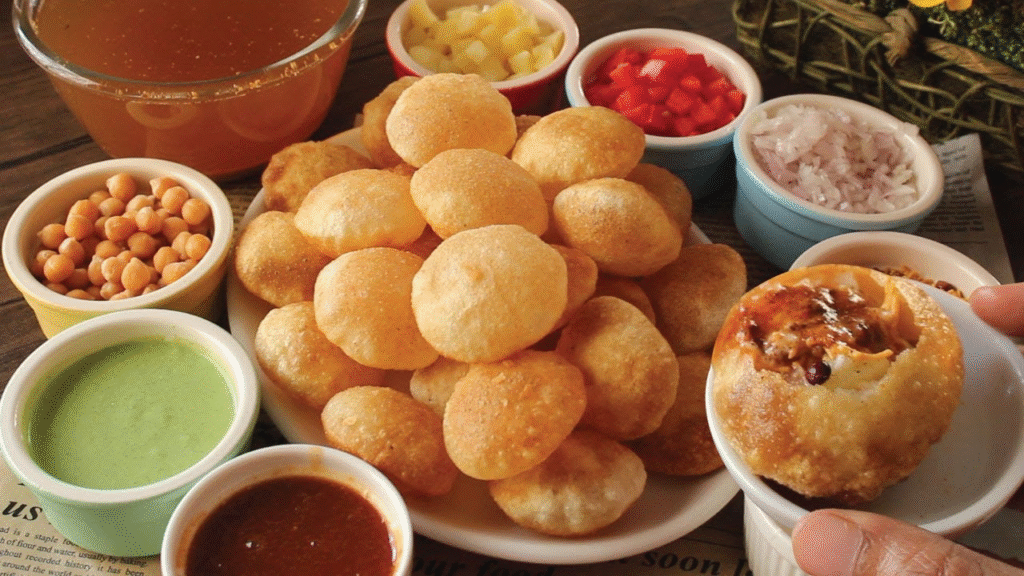
To understand North Indian street food, you must start with the golgappa—a paper-thin, fried hollow puri engineered to hold a complex mix of textures and liquids without disintegrating before reaching your mouth.
The Flavor Spectrum
The experience hinges entirely on the balance of the infused water (tikka pani). Expert vendors curate an array of earthen pots (matkas) kept cool with wrapped burlap:
- Teekha Pani (Spicy Mint): Packed with fresh coriander, green chilies, mint, rock salt, and a punch of asafoetida (hing) to stimulate digestion.
- Khatta-Meetha (Tamarind & Dates): A sweet, velvety tamarind water spiced with dry ginger powder (sonth) and roasted cumin.
- Hing & Kanji Waters: Aged, fermented mustard or heavy asafoetida infusions designed to clear the palate with sharp, pungent notes.
2. Aloo Tikki Chaat: The Mastery of Maillard Oxidation
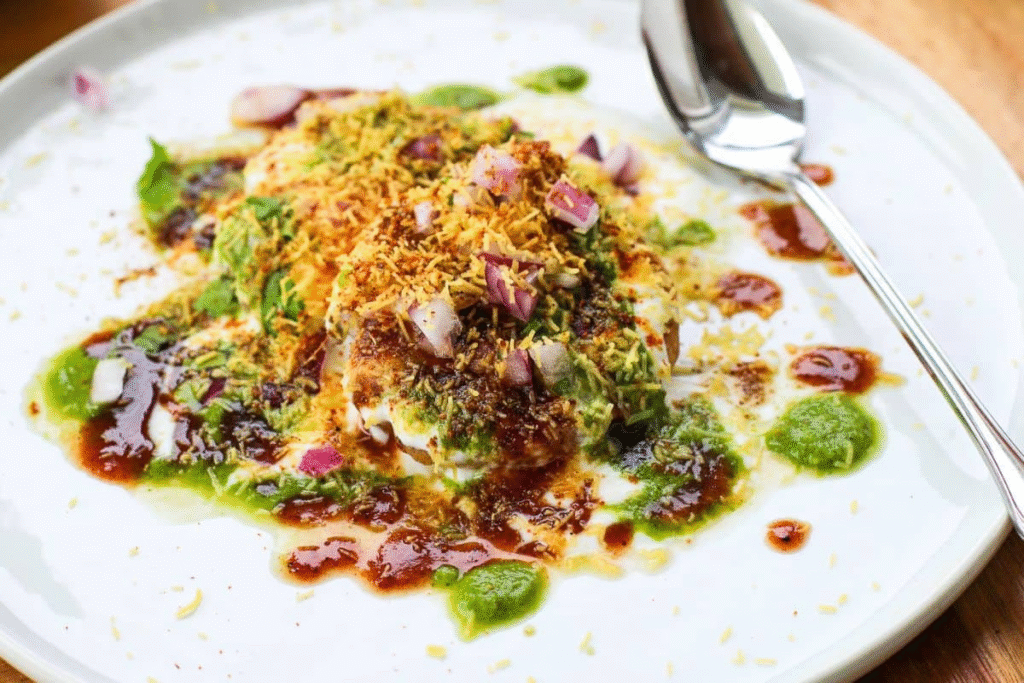
A quintessential plate of Aloo Tikki Chaat is a masterclass in texture. Thick potato patties are slow-shallow-fried on massive flat iron griddles (tawas) until the exterior develops a deep, golden crust while the interior remains soft and pillowy.
The magic lies in contrasting sensations: scalding-hot, crispy potato patties layered under cold, sweetened yogurt, punctuated by the sharp heat of green chilies and the complex tang of tamarind.
3. Chole Bhature: The Gold Standard of North Indian Comfort
Chole Bhature is not merely a snack; it is a full-bodied culinary event. Originating as a hearty breakfast for working-class communities, it has become Noida’s go-to weekend feast.
Accompanied by sour mango pickles, raw red onions soaked in vinegar, and fried green chilies, this dish delivers an intense hit of rich, savory satisfaction.
4. The Momo Evolution: From Himalayan Staple to Street Icon
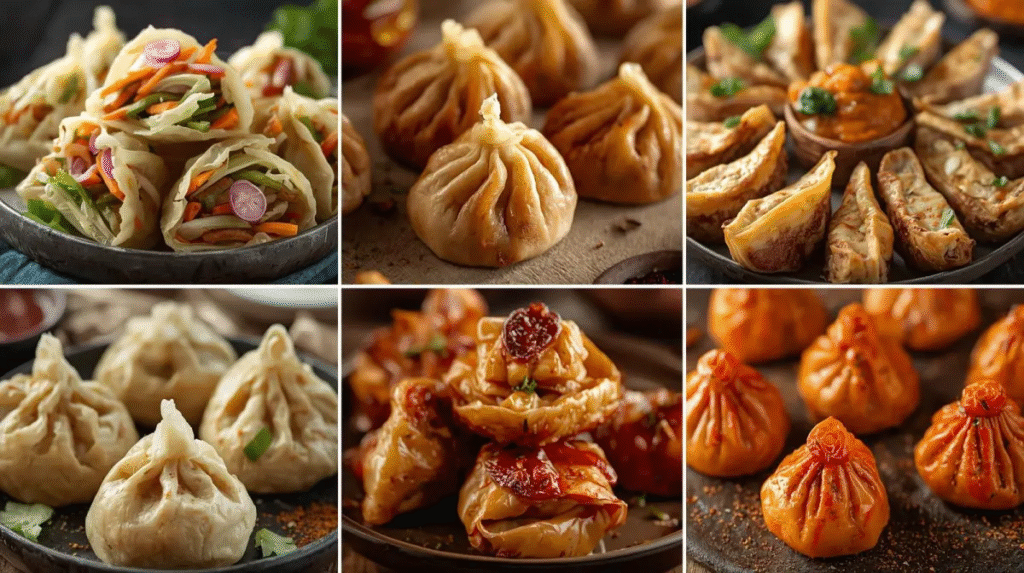
Decades ago, steamed dumplings were localized to Himalayan regions. Today, momos are arguably the most consumed street snack across the National Capital Region (NCR), including Noida.
The unheralded hero of the momo stall is the Red Garlic-Chili Chutney. Made from rehydrated dry red chilies, roasted garlic, tomatoes, and vinegar, this searing sauce provides the signature kick that keeps queues forming every evening.
5. Paneer Tikka: Clay-Oven Gastronomy
For vegetarians, Paneer Tikka offers all the complex, charred flavors of tandoori cooking without meat. High-quality paneer (Indian cottage cheese) must be fresh and dense enough to hold its shape on long iron skewers over white-hot charcoal.
The mustard oil in the marinaded curd creates a slight mustard bite when hit by intense heat, while kasuri methi (dried fenugreek leaves) imparts a distinct aroma unique to tandoori cuisine.
6. Kathi Rolls: The Ultimate Portable Meal
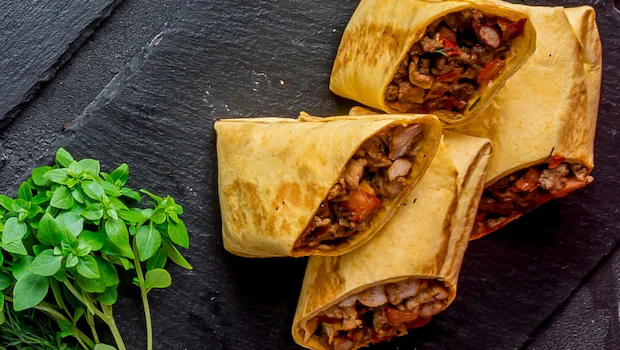
Originating in Kolkata, the Kathi Roll was re-engineered in North India to suit local tastebuds on the go. It represents the perfect harmony of carbs, fats, and protein rolled into a neat paper wrapper.
7. Pav Bhaji: The Butter-Laced Maharashtrian Import
While Pav Bhaji originated as a quick midnight meal for Mumbai textile mill workers, Noida’s street cooks have adopted it with enthusiasm—notably by doubling down on butter.
The soft bread rolls (pav) are sliced open and toasted directly on the buttered surface of the same tawa used for the curry, picking up scraped-up caramelized bits of spicy vegetable puree.
8. Samosa: The Art of the Golden Pastry
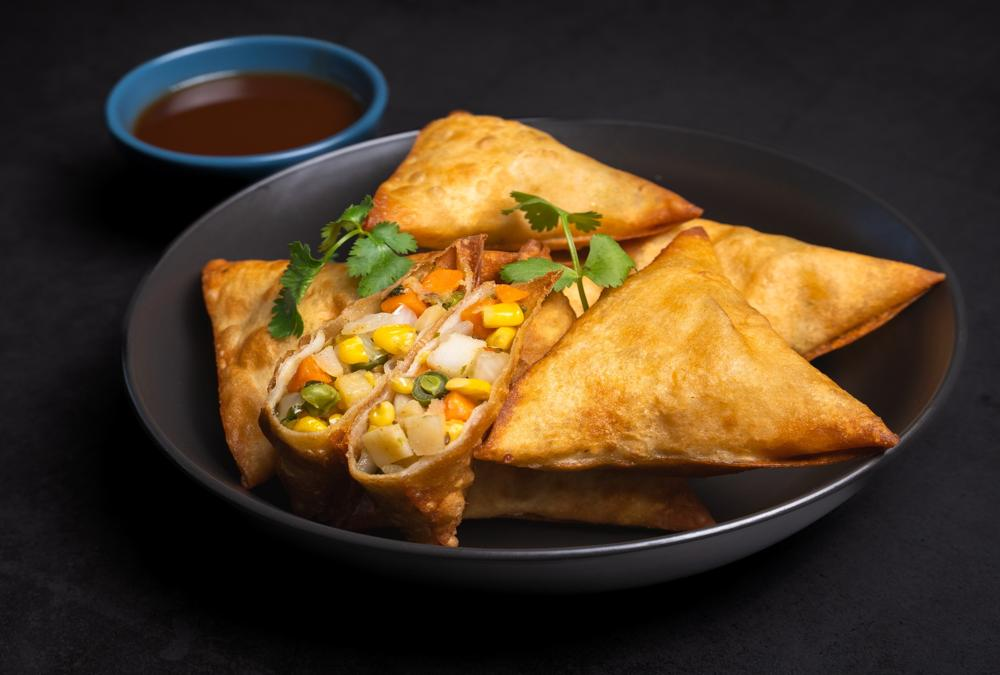
The samosa is an ancient snack that arrived in the Indian subcontinent via Middle Eastern trade routes centuries ago. In Noida, it remains the undisputed king of tea-time refreshments.
Proper frying technique is key: if fried in oil that is too hot, the crust will bubble prematurely and turn soggy. True vendors deep-fry samosas slowly in warm oil for nearly 20 minutes to achieve a thick, flaky, biscuit-like crunch.
9. Dahi Bhalla: A Cooling Study in Balanced Spices
After a round of fiery, pan-fried street foods, Dahi Bhalla serves as a soothing counterweight.
The result is a light, airy dish that melts on the tongue, delivering a delicate balance of sweet, sour, and earthy flavors.
10. Jalebi: Fermentation, Sugar Chemistry, and Desi Ghee
No street food tour ends without a hot serving of Jalebi. Achieving the ideal jalebi requires managing fermentation and sugar syrup density.
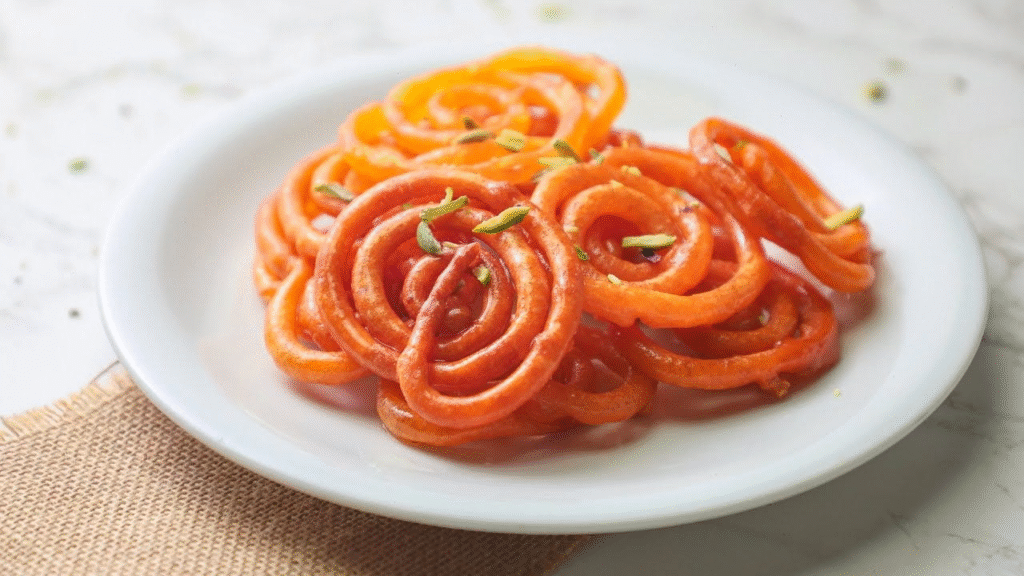
The light acidity from the fermented batter cuts through the heavy sweetness of the sugar syrup, ensuring each crisp bite stays light rather than sickly sweet.
Noida’s Culinary Landmarks: Where to Go
While street vendors pop up across every sector, specific markets have earned a regional reputation for their street food offerings:
Street Food Safety & Etiquette for Explorers
To make the most of your culinary outing without any digestive hiccups, keep these practical tips in mind:
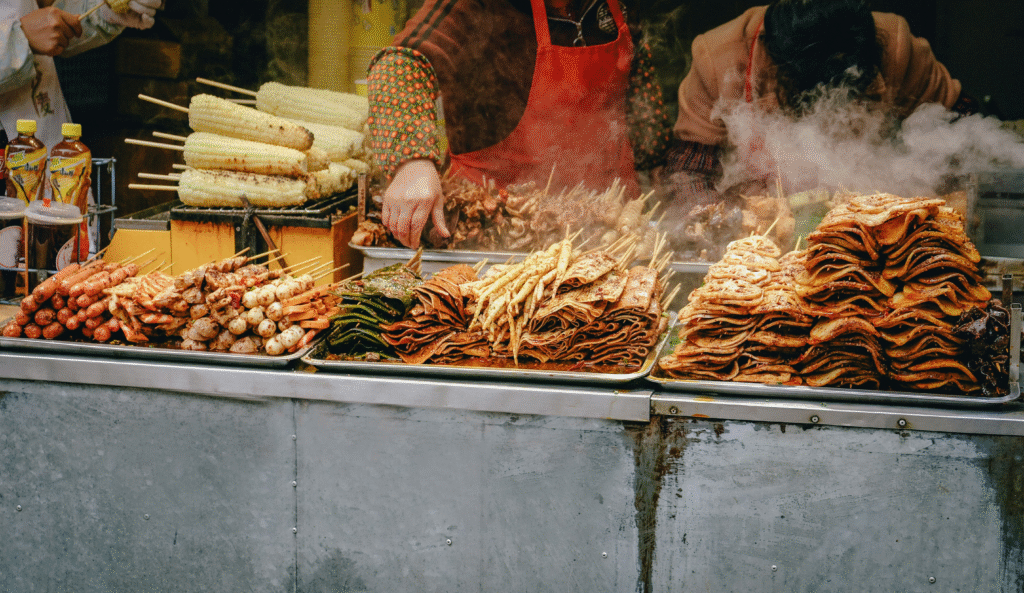
- Follow the Crowds: High customer turnover means the ingredients move quickly, ensuring your oil, paneer, and sauces are fresh rather than sitting out.
- Observe the Water Source: For water-heavy dishes like golgappe, confirm that the vendor uses purified or mineral water (most popular market vendors proudly display their purified water containers).
- Pacing Matters: Avoid mixing extreme cold (chilled sweet curd dishes) with piping hot, high-fat fried items in rapid succession to keep your digestive system happy.
- Embrace the Standing Culture: Most iconic stalls don’t offer seating. Grab your steel plate, stand near the stall, and enjoy your meal fresh off the tawa or out of the fryer.
FAQ’S
1. What is the most popular street food in Noida?
Golgappe, chole bhature, momos, and aloo tikki chaat are among the most popular street foods in Noida.
2. Is Noida a good destination for food lovers?
Yes, Noida offers a wide variety of delicious street food, North Indian dishes, cafés, and local specialties.
3. What is the best time to enjoy street food in Noida?
The evening is the best time, as most food stalls are fully open and freshly prepare their dishes.
4. Are Noida’s street foods affordable?
Yes, most street food options are budget-friendly and offer great value for money.
5. Which vegetarian street foods should I try in Noida?
Don’t miss golgappe, aloo tikki chaat, paneer tikka, pav bhaji, dahi bhalla, and samosas.