
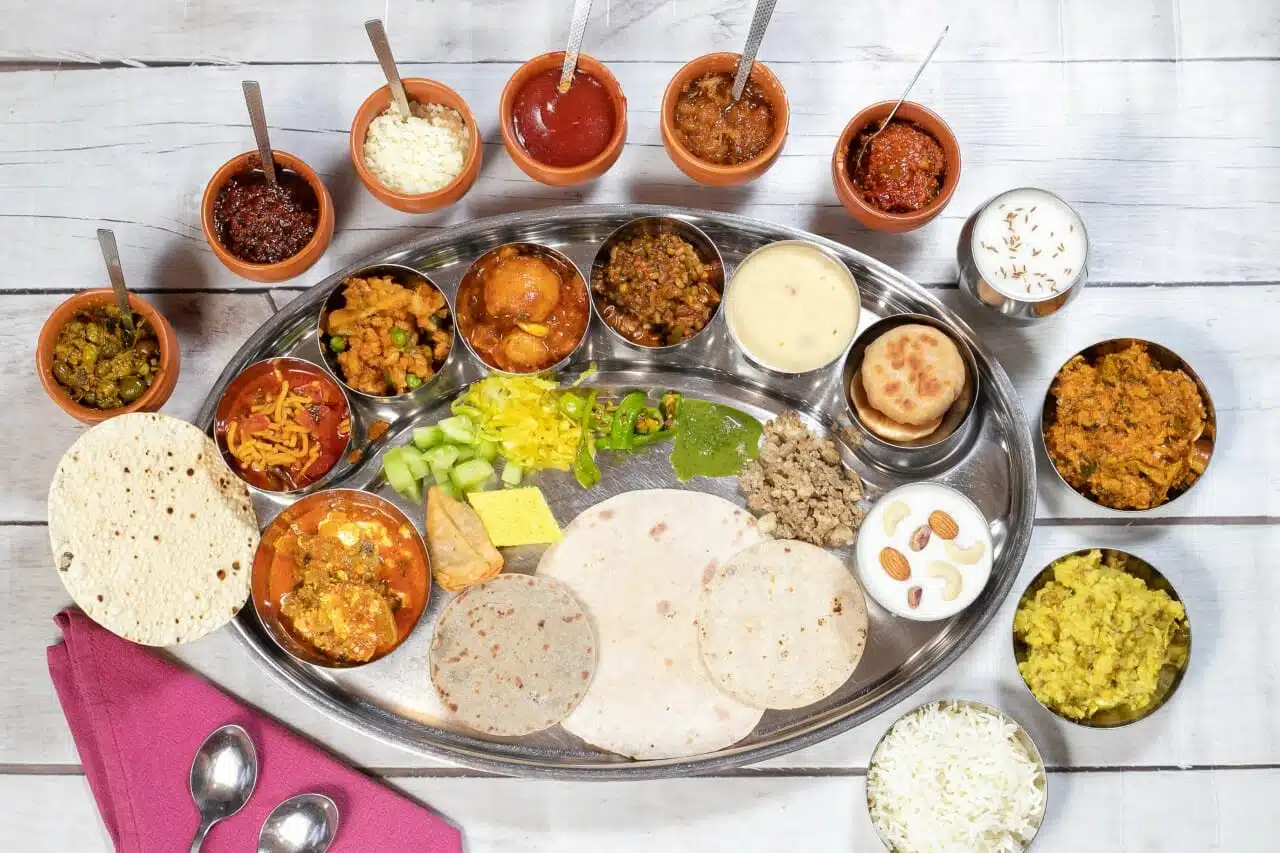
If you ask the average person to describe Gujarati food, they will probably tell you two things: it’s strictly vegetarian, and it’s surprisingly sweet.
But dismiss Gujarati cooking as just “sweet vegetarian food,” and you are missing out on one of the most brilliant, complex, and scientifically balanced culinary traditions on the planet.
In a authentic Gujarati kitchen, sugar (usually in the form of jaggery or unrefined cane sugar) isn’t used to make things taste like dessert. It is used as a culinary contrast. It’s the secret weapon that cuts through the sharp acidity of tomatoes, balances the earthy heat of green chilies, and tames the sour tang of yogurt.
What you get is a high-wire act of flavor: a single bite that is simultaneously sweet, salty, spicy, and sour. It is comfort food, but engineered with pure genius.
The Philosophy of Gujarati Cuisine: Beyond the Sweet Stereotype
At its core, Gujarati food is heavily influenced by Jain philosophy and Vaishnav Hinduism, which promote strict vegetarianism and deep respect for seasonal, local ingredients.
Because the state has arid regions, coastal strips, and fertile plains, home cooks historically had to get incredibly creative with limited water and basic pantry staples. They turned simple ingredients—like chickpea flour (besan), yogurt, and basic spices—into an endless variety of textures, shapes, and flavors.
The Epic Feast: Decoding the Famous Gujarati Thali
To experience this cuisine in its full glory, you have to sit down for a traditional Gujarati Thali. This isn’t just a plate of food; it is a meticulously paced, endless feast designed around the rules of traditional wellness and ultimate hospitality.
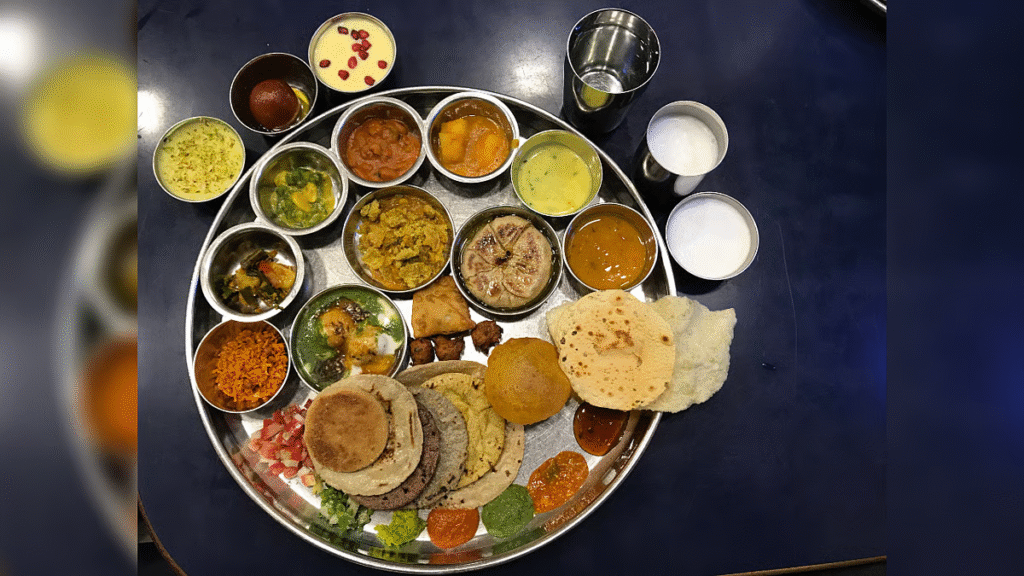
The thali is designed to hit every part of your palate. A typical spread features an orchestrating balance of textures and temperatures:
| Meal Component | Traditional Gujarati Name | Flavor & Texture Profile |
|---|---|---|
| The Bread | Rotli or Puri | Warm, paper-thin flatbreads brushed with ghee, or puffed, golden fried bread. |
| The Mains | Shaak (Vegetable Curries) | A mix of dry and gravy-based seasonal vegetables spiced with turmeric, cumin, and coriander. |
| The Liquids | Dal & Kadhi | Sweet-spicy lentil soup and a warm, velvety yogurt-based gravy. |
| The Sidekicks | Chutneys, Pickles, & Papad | Spicy garlic paste, sweet-and-sour mango pickles, and crispy crackers for crunch. |
| The Digestif | Chaas | Cold, spiced buttermilk infused with roasted cumin to soothe the stomach. |
Steamed, Rolled, and Fried: Iconic Gujarati Snacks (Farsan)
In Gujarat, snacks are an art form. Known collectively as farsan, these items are so beloved that they are eaten for breakfast, served alongside lunch, enjoyed with afternoon tea, and packed for long road trips.
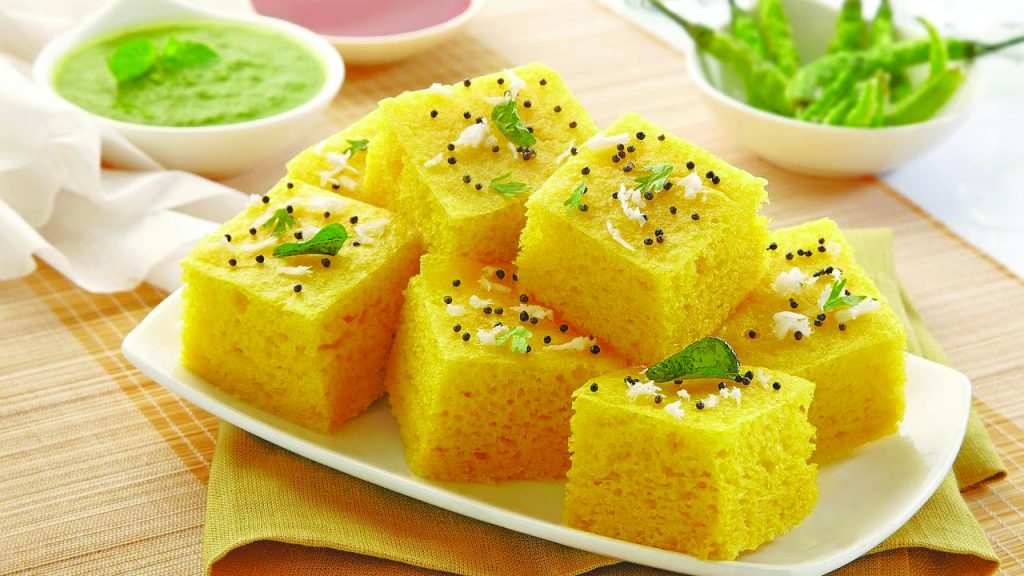
Dhokla: Spongy Perfection
Perhaps the most famous culinary export from the state, Dhokla is a masterclass in fermentation. Made from a fermented batter of rice and split chickpeas, it is steamed until it rises into a light, airy, sponge-like cake.
The magic happens after steaming: it is doused in a warm tempering of mustard seeds, sesame seeds, green chilies, and fresh curry leaves, allowing the cake to soak up all those aromatic oils.
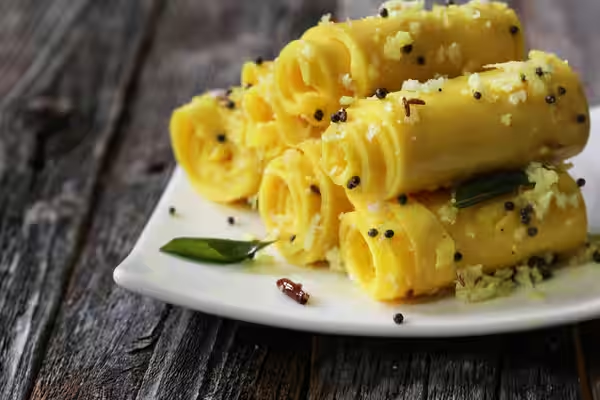
Khandvi: Culinary Origami
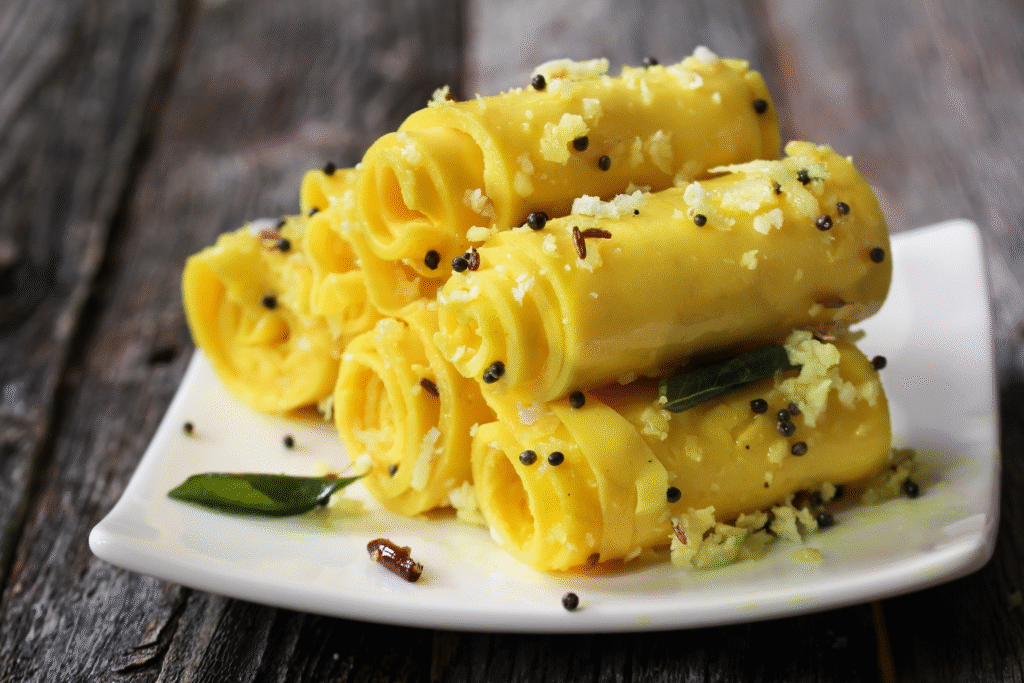
If dhokla is about simplicity, Khandvi is about sheer technique.
How it’s made: Cook chickpea flour and sour yogurt together until it forms a thick, smooth paste. Spread it micro-thin across a flat kitchen counter while still piping hot, let it cool for a minute, and then carefully roll it into tight, bite-sized yellow cylinders.
It is topped with a tempering of mustard seeds and fresh coconut. It is incredibly delicate, velvety, and melts the second it hits your tongue.
Fafda-Jalebi: The Ultimate Sunday Ritual
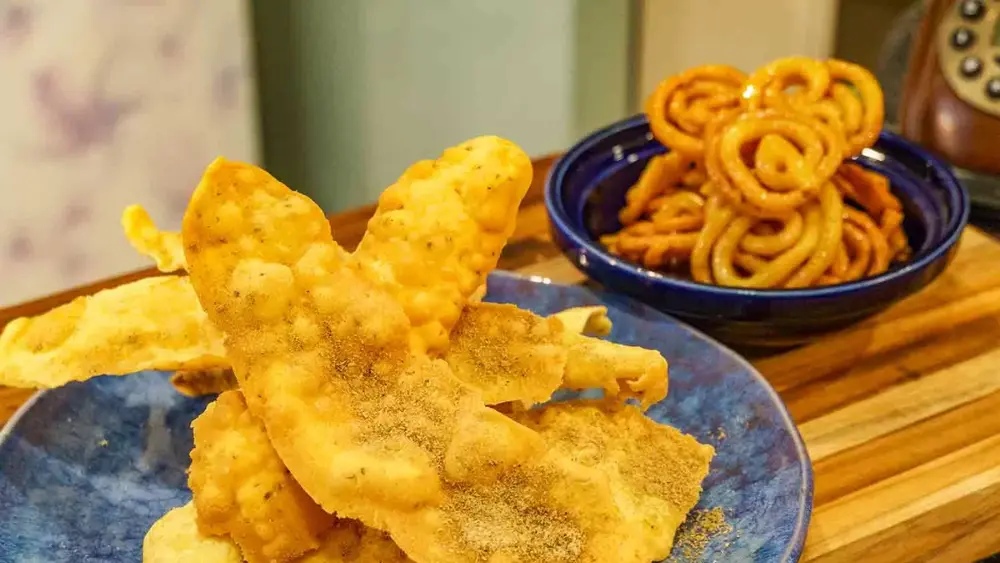
Go to any city in Gujarat on a Sunday morning, and you will see massive lines forming outside sweetshops. They are all there for Fafda-Jalebi.
Fafda consists of long, crispy, savory strips of spiced chickpea flour dough, fried to a perfect crunch. It is paired with Jalebi—crispy, coiled, deep-fried batter soaked in hot sugar syrup. Eating them together, along with a side of fried green chilies and a raw papaya relish, is a salty-sweet flavor explosion that defines weekend comfort.
Cozy Kitchen Alchemy: Classic Gujarati Comfort Foods
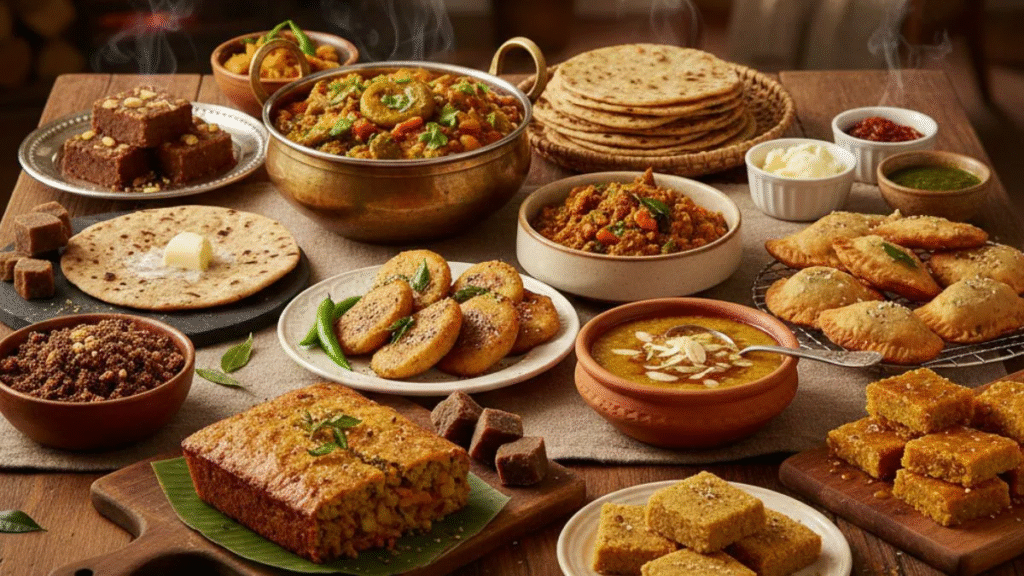
When Gujaratis want a simple, soul-warming meal at home, they turn to dishes that require minimal fuss but deliver massive comfort.
- Gujarati Kadhi: Unlike the thick, heavy Punjabi version of kadhi, the Gujarati style is thin, sweet, tangy, and silky smooth. Made with fresh yogurt, chickpea flour, ginger, and green chilies, it is tempered with cloves, cinnamon, and cumin, then served hot over a bowl of steamed rice. It is the ultimate antidote to a cold day or a stressful week.
- Dal Dhokli: Think of this as the Indian equivalent of fresh pasta in a rich broth. Roll out spiced whole wheat dough, cut it into diamond shapes, and drop them directly into a boiling, sweet-and-sour lentil soup (dal). The dough slips cook beautifully in the broth, thickening the dal and absorbing all the flavors of peanuts, jaggery, and kokum.
A Winter Masterpiece: The Story of Gujarati Undhiyu
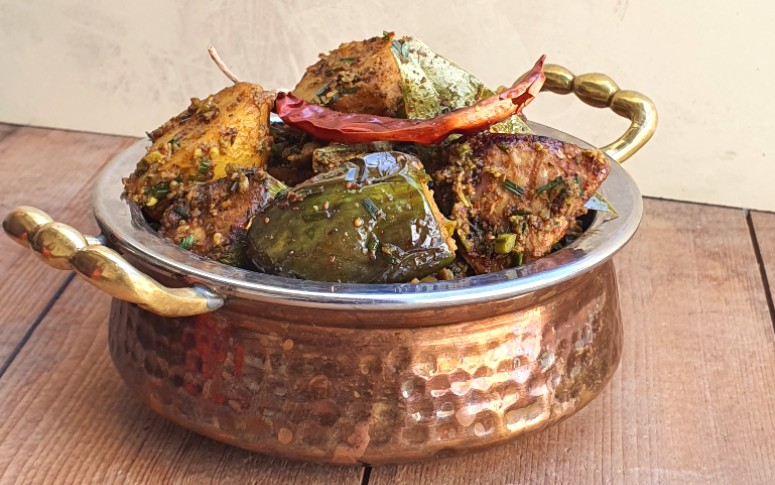
You cannot talk about this cuisine without dedicating a moment of reverence to Undhiyu. This is a seasonal, slow-cooked vegetable casserole that is prepared during the winter harvest, particularly around the kite-flying festival of Uttarayan.
The name comes from the Gujarati word undhu, meaning “upside down.”
Traditionally, the dish was packed into an earthen clay pot, sealed, and buried upside down in a pit of hot coals in the ground. It features a specific mix of winter veggies: sweet potatoes, purple yam, raw bananas, baby eggplants, and fresh green flat beans, all stuffed with a rich paste of freshly grated coconut, crushed peanuts, green chilies, and coriander.
Topped with tiny fried fenugreek leaf dumplings called muthiya, it is a rich, smoky, deeply satisfying dish that families cook in massive batches to share with neighbors.
Sweet Finales: Indulgent Gujarati Desserts
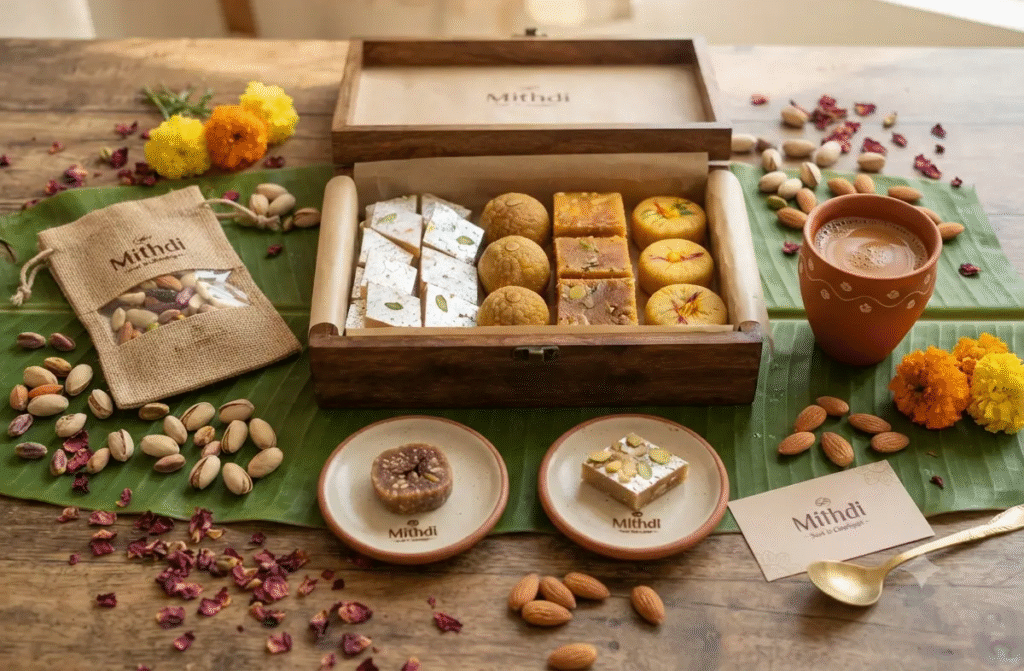
In a culture that appreciates sweetness throughout the main course, you can bet their actual desserts are spectacular.
- Shrikhand: A thick, velvety dessert made by hanging yogurt in a muslin cloth for hours until all the whey drains out. The thick, creamy yogurt paste left behind is whipped with sugar, saffron, cardamom, and a handful of pistachios.
- Mohanthal: A dense, rich fudge made from roasted gram flour, generous amounts of homemade ghee, and sugar syrup, flavored with cardamom and topped with silver leaf. It is a staple at festivals and weddings.
- Basundi: Milk that is slow-cooked and reduced for hours until it is thick and creamy, sweetened, and studded with almonds, cashews, and pistachios.
At its heart, Gujarati food is a reflection of the people themselves: warm, welcoming, deeply rooted in tradition, and always looking to add a little sweetness to your day.
FAQ’S
1. What is the most famous Gujarati dish?
Dhokla is one of the most popular and iconic dishes in Gujarati cuisine.
2. Is Gujarati food mainly vegetarian?
Yes, traditional Gujarati cuisine is predominantly vegetarian.
3. What is included in a Gujarati thali?
A Gujarati thali typically includes roti, dal, kadhi, vegetables, rice, farsan, pickles, and a sweet dish.
4. What makes Gujarati food unique?
Gujarati food is known for its balanced blend of sweet, spicy, tangy, and savory flavors.
5. Which Gujarati snack is a must-try?
Dhokla, Khandvi, Fafda, and Handvo are some of the most loved Gujarati snacks.