
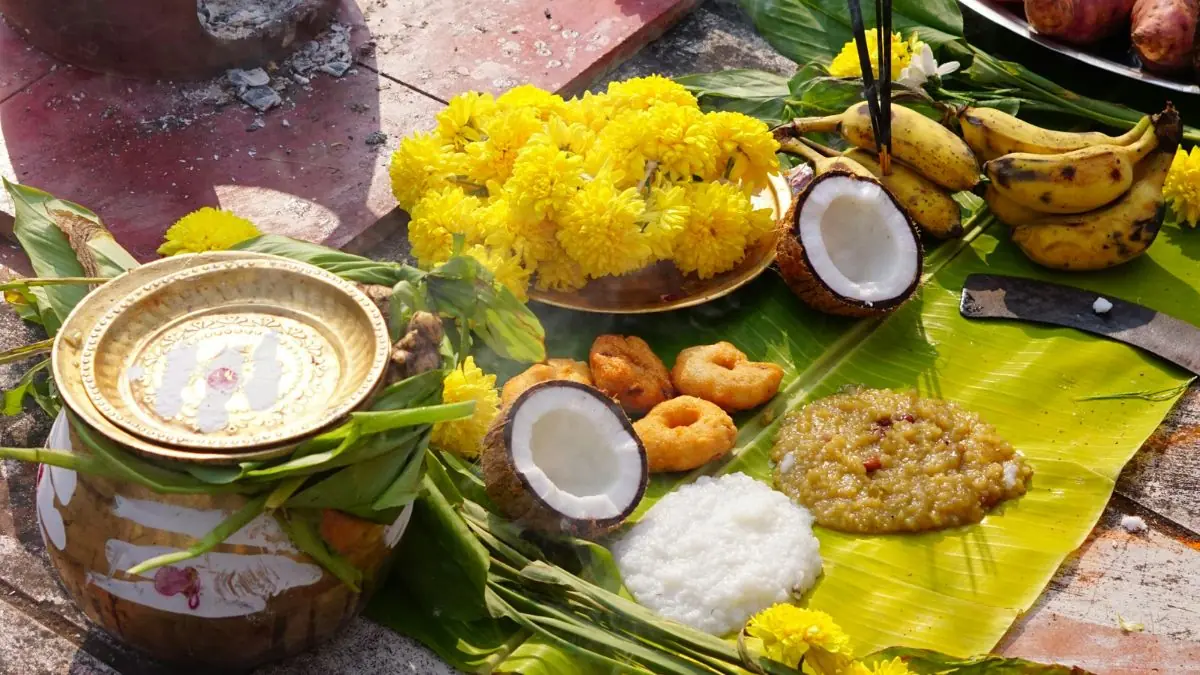
Food is never just a cold calculation of calories on a plate; it is an emotional landscape, a daily ritual, and a sensory map handed down through generations. When we step into the warmth of a Tamil kitchen, we are not just looking at ingredients—we are witnessing a beautiful, slow-motion love story told through the medium of cracked mustard seeds, hand-torn curry leaves, and the sour tang of slow-simmered tamarind.
In our hyper-connected, fast-paced modern lives, we often forget the sheer therapeutic power of cooking with intention. We run from meeting to meeting, swallowing hurried lunches at our desks, completely disconnected from the earth that grew our food and the hands that harvested it.
Tamil cuisine invites us to halt, take a deep breath, and listen to the natural world. It is a kitchen governed by the seasons, where the intense heat of the summer sun dries the spices, the monsoon rains nourish the paddies, and the cool evening breeze coaxes wild yeasts into fermenting overnight batters. It is a way of eating that respects the human body as a living ecosystem, using natural chemistry to heal, soothe, and energize.
Alchemical Clouds in the Morning Sun: The Timeless Idli and Sambar Food Recipes
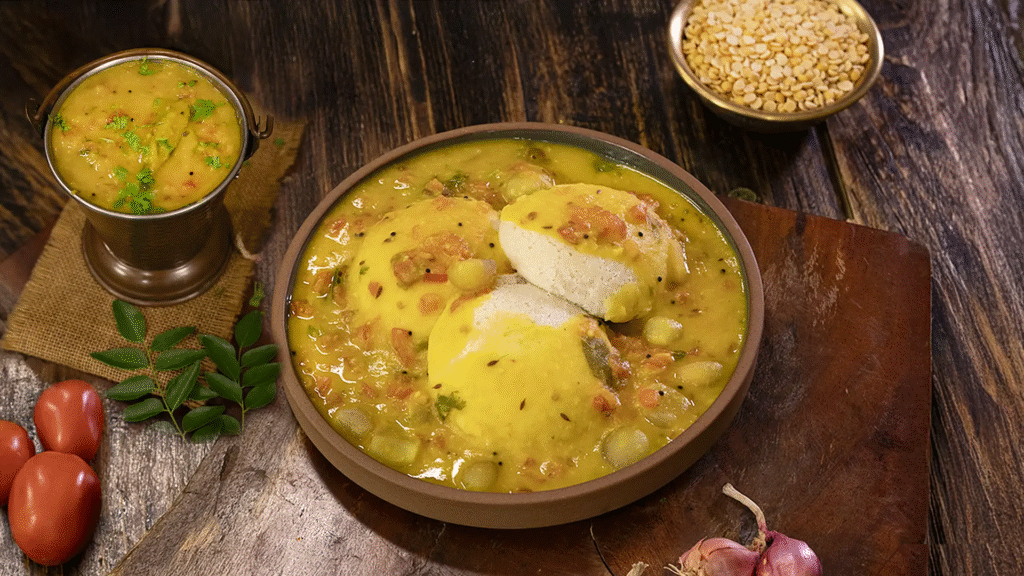
There is a quiet, meditative beauty in watching a stream of vapor rise from a heavy metal steamer on a damp morning. The steamed idli is perhaps the ultimate testament to human patience and biological cooperation. This pillowy, snow-white rice cake does not rely on commercial baking powders or modern chemical rising agents. Instead, it relies on wild, invisible micro-organisms floating through the air, transforming a simple mix of rice and black lentils into a living, breathing batter overnight.
To make a perfect idli, you must understand the temperamental nature of fermentation. If the night is too cold, the batter sleeps; if it is too hot, it sours with a vengeful intensity. It requires a home cook to stay in tune with the ambient temperature of their kitchen, wrapping the mixing bowl in warm towels like a fragile newborn.
When steamed correctly, the idli emerges as a cloud—soft, yielding, and incredibly light on the digestive tract. It is designed to be torn apart with your fingertips, letting it collapse into a warm bath of home-spiced vegetable sambar. Sambar itself is a rich, grounding stew of pigeon peas, freshly cut squash, okra, and drumsticks, infused with a hand-ground spice paste of dry-roasted coriander seeds, cumin, and fenugreek. It is a sensory awakening that gently coaxes your digestive fire into action for the day ahead.
Shaping Fire and Ghee: The Golden Geometry of Crispy Dosa Food Recipes
While the idli is soft and introverted, its sister creation, the dosa, is a loud, golden celebration of fire and texture. Made from the very same fermented batter, the dosa undergoes a radical transformation the moment it meets a heavy, well-seasoned cast-iron tawa (griddle).
There is an art to spreading dosa batter that requires absolute focus and muscle memory. You pour a pool of batter directly into the center of the searing iron, and using the smooth bottom of a ladle, you spin it outward in concentric, spiraling circles. It is a fluid, satisfying motion that turns a liquid mass into a paper-thin crepe in a matter of seconds.
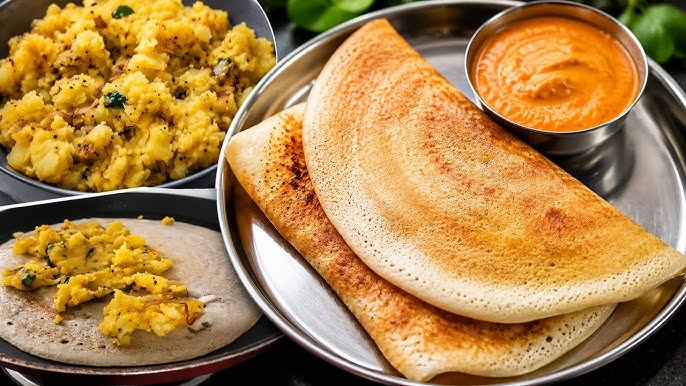
As the moisture evaporates, you drizzle a thin stream of golden, melted ghee around the edges. The batter bubbles, the natural sugars caramelize, and the edges turn a deep, mahogany brown. The smell of hot iron, roasted lentils, and toasted butter fills the air, triggering a deep sense of culinary nostalgia.
Whether you eat it plain, savoring the subtle sourness of the fermented rice, or stuff it with a warm, turmeric-yellow potato mash spiced with ginger and green chilies (the legendary Masala Dosa), it is a dish that demands to be eaten immediately, straight off the fire, while it still possesses its shattering, delicate crunch.
The Warmth of Harvest and Gratitude: Earthy Ven Pongal Food Recipes
If you have ever felt physically drained or emotionally unsettled, you know that some days call for a meal that acts as a warm, comforting hug. In Tamil Nadu, that meal is Ven Pongal. This rustic, porridge-like dish is the very definition of soul food, representing the ultimate partnership between grain, legume, and spice.
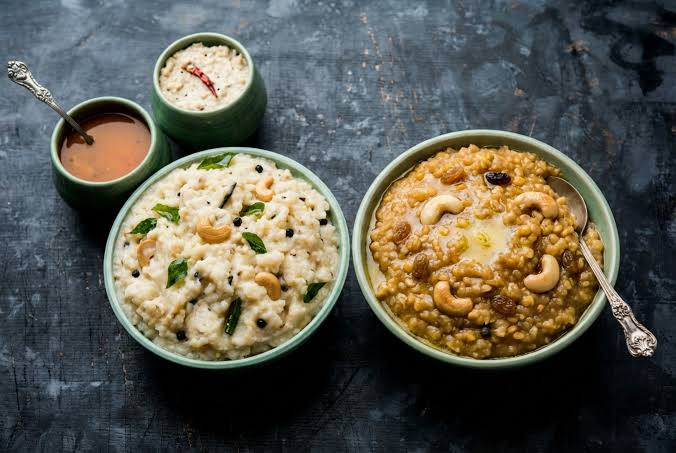
To prepare Pongal, raw short-grain rice and split yellow moong dal are boiled together in a heavy clay pot or cooker until their boundaries blur, merging into a creamy, soft, and comforting mush. But the soul of the dish is breathed into it during the final tempering, known as the tadka.
“Tempering is not just a step in a recipe; it is a brief, theatrical release of essential oils that preserves the life of the spice and warms the human spirit.”
In a small pan of hot, bubbling ghee, you drop whole black peppercorns, earthy cumin seeds, finely slivered ginger, fresh curry leaves, and raw cashew nuts. The peppercorns pop like tiny fireworks, the cumin fills the room with a woody, wild fragrance, and the ginger sizzles into sweet submission. This golden, aromatic fat is folded directly into the hot, steamed rice and lentils, turning a humble pot of grains into a rich, deeply satisfying masterpiece.
A Symphonic Fire on the Deccan Plains: Aromatic Chettinad Chicken Food Recipes
For those who crave bold, uncompromising intensity, the arid, sun-baked plains of Karaikudi offer a style of cooking that is celebrated across the globe. Chettinad chicken is a dish built on the courage of its spices, representing a historical legacy of global trade, exploration, and deep culinary pride.
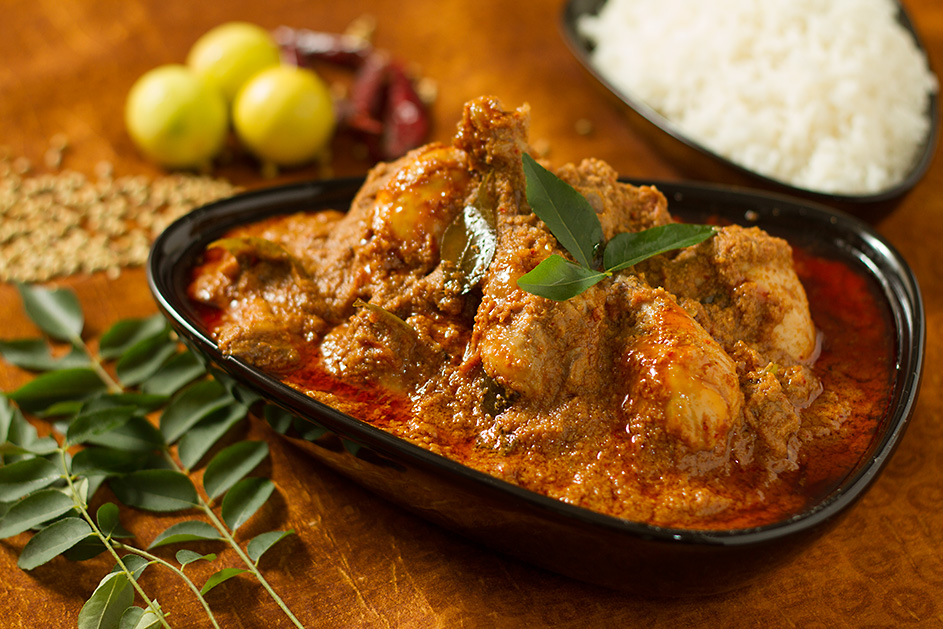
The Chettiar merchants were legendary spice traders who traveled across Southeast Asia, bringing back exotic ingredients that they integrated into their local cuisine. A true Chettinad curry does not rely on the simple heat of raw green chilies. Instead, it relies on a carefully orchestrated symphony of dry-roasted, stone-ground spices.
| Key Chettinad Spice | The Sensory Contribution | Why It Matters |
| Kalpasi (Stone Flower) | Earthy, mossy, deeply woody aroma. | The absolute signature of authentic Chettinad cooking. |
| Black Peppercorns | A sharp, lingering heat that hits the back of the throat. | Provides the primary, rustic heat source. |
| Fennel Seeds | A sweet, cooling, anise-like undertone. | Balances the intense heat of the red chilies. |
To cook this dish, the spices must be slow-roasted on a dry iron pan until they release their natural oils and turn a deep, fragrant brown. Ground into a rich, thick paste with fresh coconut, garlic, and shallots, this marinade coats the chicken, slow-cooking it until the meat becomes incredibly tender and saturated with the warmth of the earth. It is a complex, multi-layered experience that warms you from the inside out.
The Deep Alchemy of Tangy Tamarind: Slow-Simmered Kuzhambu Food Recipes
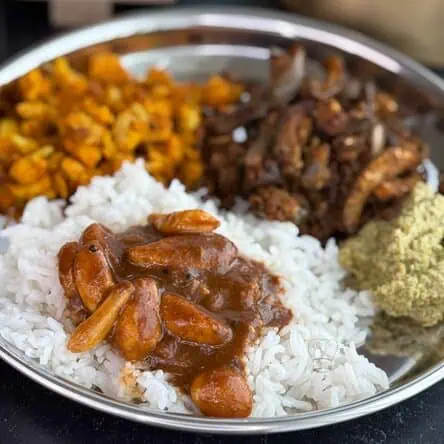
The backbone of a great Kuzhambu is aged tamarind pulp, soaked in warm water and squeezed to extract a thick, sour, and intensely flavorful juice. This liquid is simmered slowly in a clay pot (man-chatti) with sesame oil, fenugreek, mustard seeds, and a deeply spiced curry powder.
As the liquid reduces, it undergoes a beautiful chemical transformation, losing its raw, harsh edge and turning into a silky, sweet-and-sour gravy.
If sambar is the gentle, daily companion of the Tamil table, Kuzhambu is its moody, intense, and deeply complex cousin. Kuzhambu refers to a vast family of tamarind-based gravies that showcase the incredible versatility of sourness in South Indian cooking.
There are infinite variations of this dish:
- Vatha Kuzhambu: Made with sun-dried turkey berries (sundakkai) or baby nightshade berries (manathakkali) that burst with a bitter, salty pop.
- Kara Kuzhambu: Loaded with tender baby eggplants (kathrikai) or drumsticks (murungakkai) that soak up the tangy gravy like small sponges.
- Poondu Kuzhambu: A garlic-heavy variation where whole cloves of garlic melt into sweet, buttery soft pockets of flavor.
A Restorative Brew for Body and Soul: Healing Rasam Food Recipes
There are days when the body feels heavy, the sinuses are blocked, and the mind is clouded by stress. In a Tamil home, the immediate answer to this physical imbalance is not a trip to the pharmacy, but a hot, steaming cup of Rasam.
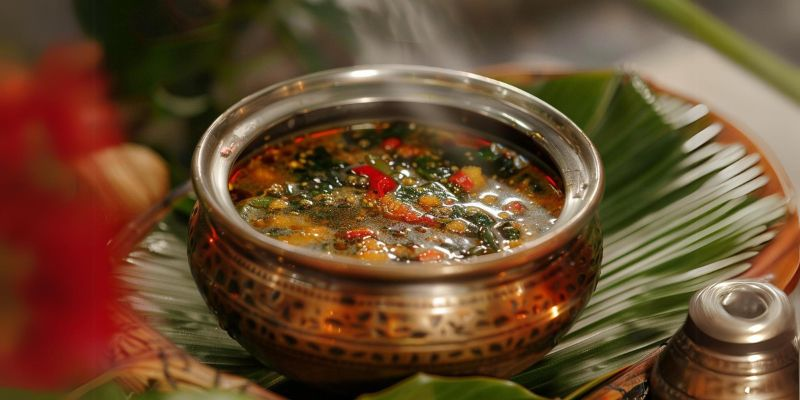
Rasam is a thin, fiery, and deeply restorative herbal broth that sits somewhere between a soup and a digestive tonic. It is a masterclass in minimalist extraction. You crush fresh black peppercorns, cumin seeds, garlic cloves, and coriander stems in a mortar and pestle, bruising them just enough to release their raw juices without turning them into a paste.
This aromatic crush is simmered briefly with sour tamarind water, ripe tomatoes, and a pinch of turmeric. The magic of rasam lies in its light, almost watery body. It is seasoned with a quick splash of ghee, mustard seeds, and fresh curry leaves, and served boiling hot.
Whether you drink it out of a small steel tumbler, letting the steam clear your head, or pour it over soft, warm rice, it acts as an instant reboot for your metabolism and your spirit.
The Forest on Your Table: The Communal Magic of Banana Leaf Feast Food Recipes
To eat a meal on a fresh, vibrant green banana leaf is to participate in one of the most beautiful, eco-conscious dining traditions in human history. It is a complete sensory experience that honors the natural world, the cook, and the guest in equal measure.
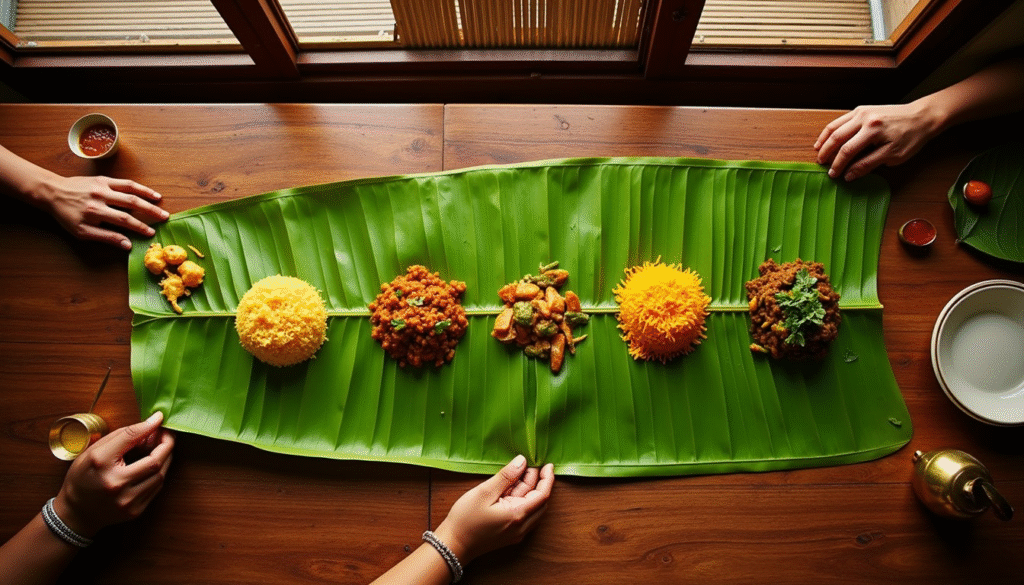
When hot, steaming rice is ladled onto the center of a fresh banana leaf, the heat of the food gently melts the natural wax on the leaf’s surface, releasing a subtle, herbal, tea-like aroma that infuses the food. It is a natural flavor enhancer that no modern porcelain plate can ever replicate.
Eating on a leaf also requires a specific, mindful progression. You must use your bare hands, allowing your fingertips to feel the temperature and texture of the food before it even reaches your mouth. This tactile connection sends signals to your brain, priming your digestive tract for the feast ahead.
The meal flows in elegant, rhythmic waves: first comes the plain rice with a dollop of yellow lentils (paruppu) and a stream of hot ghee, followed by the rich vegetable sambar, the intense kuzhambu, the cleansing rasam, and finally, a cooling, soothing pool of fresh yogurt (curd) to settle the stomach and bring peace to the palate.
Jaggery, Milk, and the Sweet Memory of Home: Nostalgic Tamil Sweet Food Recipes
No culinary journey through Tamil Nadu is complete without exploring the sweet, caramel-scented world of its traditional desserts. Tamil sweets are not designed to be sugary assaults on the senses; instead, they rely on the warm, mineral-rich depth of organic jaggery (unrefined sugarcane juice) and the comforting richness of reduced milk.
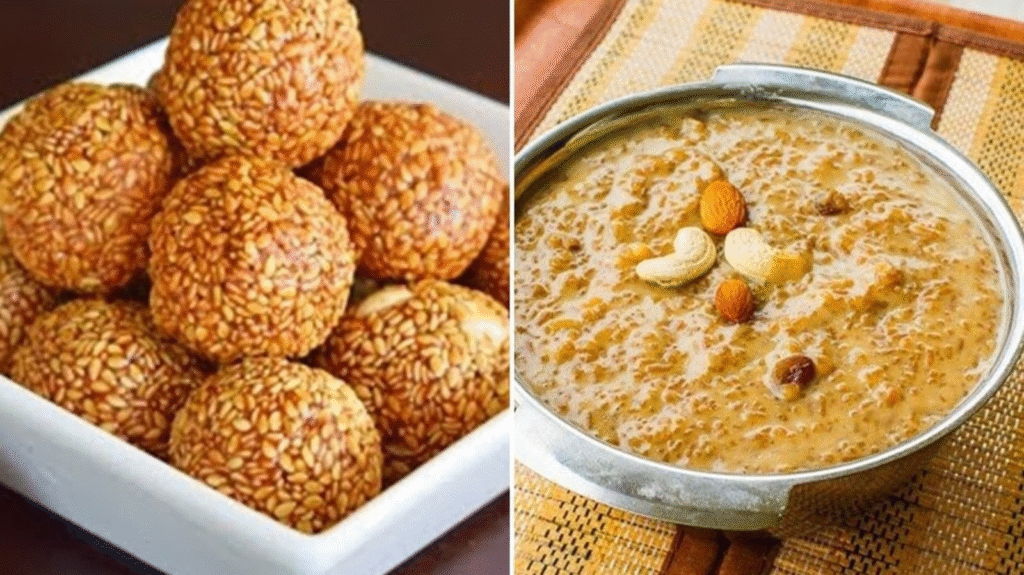
At the heart of every festive gathering is a pot of Payasam. Whether made with delicate roasted vermicelli, broken red rice, or split yellow lentils, payasam is slow-cooked in sweetened milk and flavored with crushed green cardamom pods, saffron threads, and a generous handful of cashews and raisins fried in hot ghee.
Then, there is Adhirasam, a traditional sweet that carries the rustic charm of ancient temple kitchens. Made by kneading freshly ground raw rice flour with a warm, stringy jaggery syrup, the dough is fermented for a couple of days before being patted into small discs and deep-fried in fresh oil. It emerges with a crispy, dark-golden exterior and a soft, chewy, and deeply nostalgic center that tastes of woodsmoke, sugarcane, and home.
The Path of the Mindful Cook: Integrating Tamil Food Recipes Into Modern Life
When we look closely at these traditional kitchen practices, we realize that the ancient cooks of Tamil Nadu were, in fact, brilliant, intuitive scientists. They understood how to use fermentation to unlock nutrients, how to balance the heat of black pepper with the cooling properties of coconut, and how to use sour tamarind to preserve food in a hot, tropical climate.
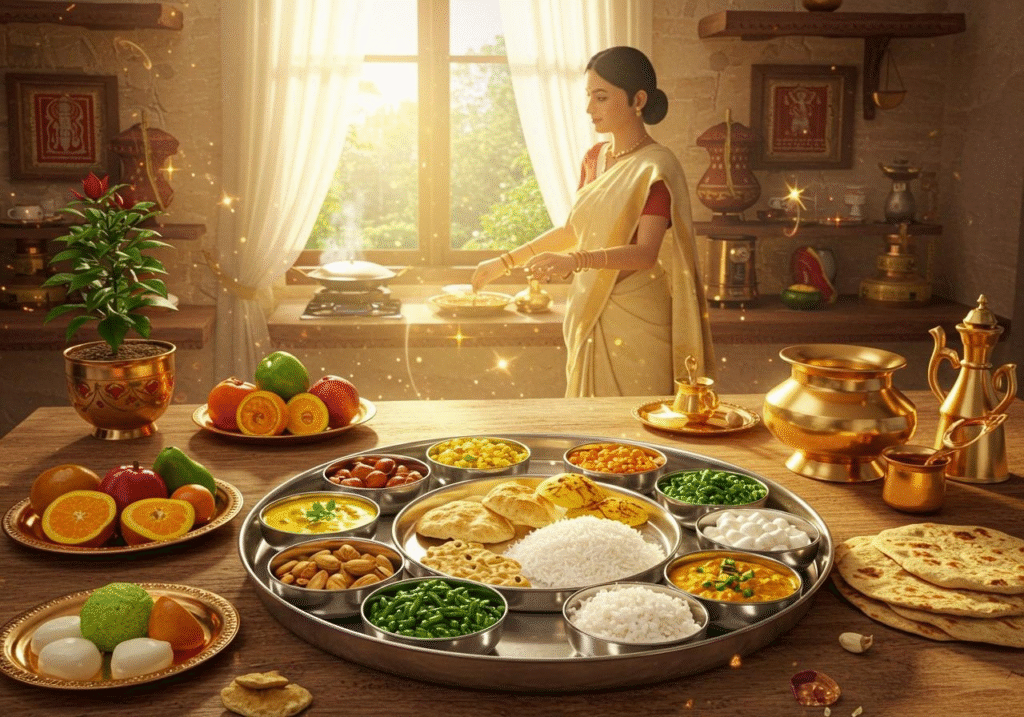
By reclaiming these traditional kitchen rhythms, we do more than just feed our bodies. We cultivate a deeper relationship with the earth, we honor the wisdom of our ancestors, and we bring a sense of slow, mindful beauty back to our daily tables. The next time you feel overwhelmed by the frantic pace of the modern world, step into your kitchen, light a small fire, crack a few mustard seeds, and let the quiet chemistry of Tamil food bring you back home.
FAQ’S
1. What is the most popular Tamil dish?
Idli, dosa, and sambar are among the most popular and widely enjoyed Tamil dishes.
2. Is Tamil food always spicy?
No, Tamil cuisine includes both mildly flavored and spicy dishes, depending on the recipe and region.
3. What is a traditional Tamil breakfast?
A traditional Tamil breakfast often includes idli, dosa, pongal, or vada served with chutney and sambar.
4. What makes Tamil cuisine unique?
Tamil cuisine is known for its fermented foods, aromatic spices, fresh ingredients, and traditional cooking methods.
5. Which Tamil dish should first-time visitors try?
First-time visitors should try a traditional Tamil banana leaf meal to experience a variety of authentic dishes in one serving.