
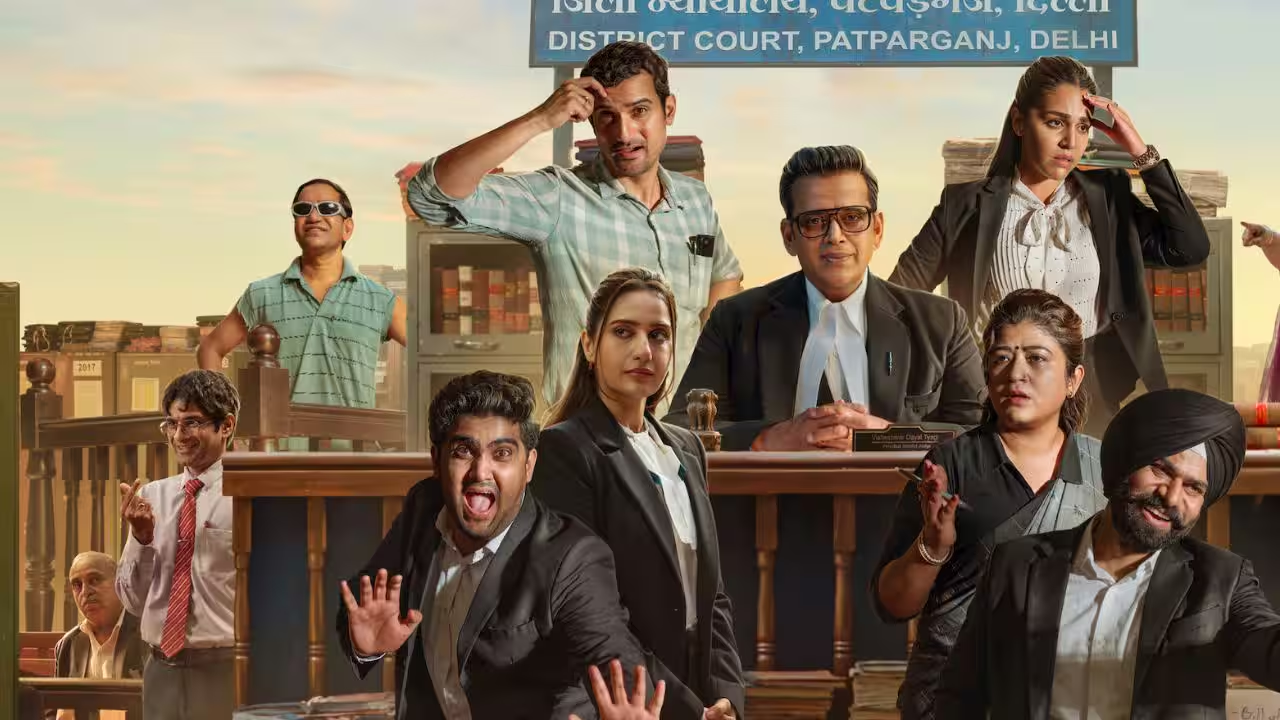
Over the past decade, the global entertainment ecosystem has undergone a structural paradigm shift. The traditional cinematic release window—once the undisputed peak of narrative media—has been largely supplanted by the episodic web series. In 2026, streaming platforms have evolved beyond mere content delivery systems into massive global studios. They leverage advanced production budgets, global talent pools, and sophisticated algorithmic distribution networks to capture viewer attention.
This transformation is rooted in a fundamental shift in narrative mechanics. Where a feature film is bound by the temporal constraints of a two-hour runtime, the web series operates on an expansive canvas. It allows writers, showrunners, and directors to execute complex, multi-season character arcs, intricate world-building, and subtle thematic exploration. The result is a medium that combines the visual polish of blockbuster cinema with the psychological depth of long-form literature.
Structural Drivers of the Web Series Phenomenon
The rapid rise of episodic streaming is driven by three main factors: technological infrastructure, artistic freedom, and changing consumer psychology.
Long-Form Narrative Flexibility
Traditional screenwriting demands a rigid three-act structure designed to resolve central conflicts within 90 to 120 minutes. This format often forces creators to compress secondary character development, rush subplots, and rely on simplified narrative tropes. Conversely, an eight-to-ten-episode web series offers roughly six to ten hours of screen time per season. This structural freedom allows creators to:
- Develop nuanced antiheroes and morally complex antagonists whose motivations unfold gradually over time.
- Incorporate intricate ensemble subplots that enrich the main narrative without slowing down the overarching plot.
- Use silence, atmospheric world-building, and environmental storytelling that would be trimmed in a theatrical cut.
Algorithmic Precision and Global Distribution
The democratization of streaming infrastructure has removed geographic and linguistic barriers. Advanced compression codecs and global content delivery networks (CDNs) deliver high-bitrate 4K HDR streams to diverse devices instantly. Concurrently, machine-learning recommendation engines analyze user interaction metrics—such as completion rates, pause frequencies, and genre preferences—to surface niche international content to targeted global audiences. This allows high-budget foreign-language productions to achieve mainstream worldwide distribution without relying on traditional theatrical syndication.
The Psychology of On-Demand Consumption
The shift from linear television broadcasts to on-demand box-set releases has fundamentally altered how audiences process stories. Binge-watching allows viewers to maintain cognitive immersion in a fictional universe without the week-long narrative interruptions of legacy television. This continuous engagement heightens emotional resonance, sharpens recall of subtle plot details, and fosters deep attachment to long-term character arcs.

Comprehensive Breakdown of Core Narrative Genres
To navigate the vast landscape of modern streaming, it helps to understand the structural tropes, stylistic choices, and thematic focus of each major genre.
Action and Spectacle Series
Modern action web series have abandoned the superficial, explosion-heavy tropes of 1990s cinema in favor of grounded, highly choreographed kinetic storytelling.
Showrunners increasingly hire stunt directors and martial arts choreographers as primary second-unit directors. This ensures that physical combat serves as a direct extension of character development rather than a narrative pause. Furthermore, the integration of long-take camera techniques (oner shots) and practical physical effects—complemented by seamless digital enhancement—creates an visceral sense of stakes that rivals big-budget feature films.
Crime, Procedural, and Psychological Thrillers
Crime remains one of the most enduringly popular genres in on-demand streaming. Modern iterations have moved away from simple “case-of-the-week” procedural formulas, shifting focus toward deep psychological character studies, systemic corruption, and moral ambiguity.
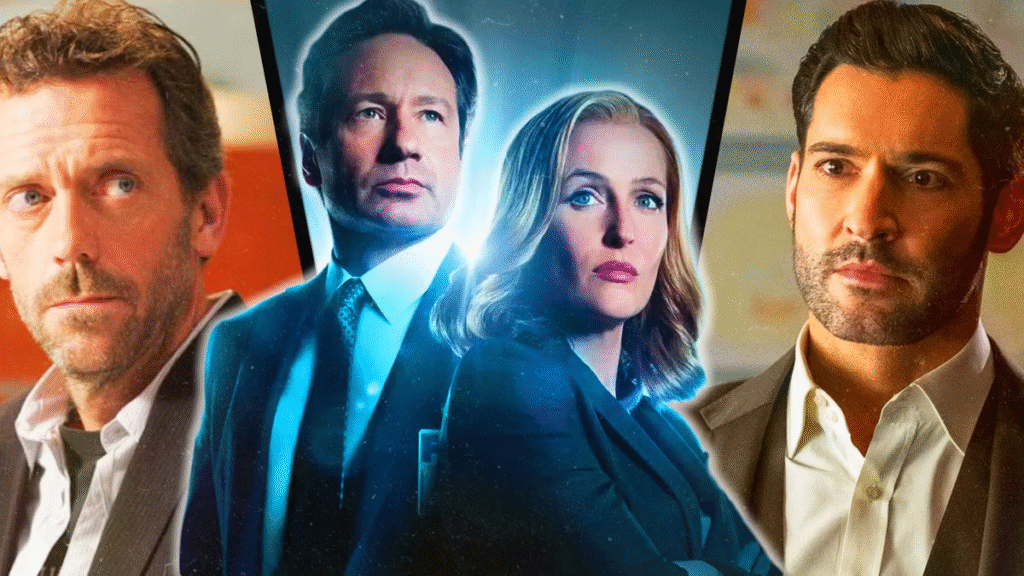
The success of a crime thriller relies on meticulous pacing. Writers drop subtle clues across multiple episodes, encouraging viewers to actively analyze evidence alongside the protagonists. By framing the narrative around the institutional, social, or psychological fallout of a crime, these series offer sharp commentary on contemporary society.
Comedy and Social Satire
Comedy web series have shifted from traditional multi-camera, studio-audience sitcoms toward single-camera, character-driven narrative comedies and sharp social satires.
Without the structural requirement to land a broad punchline every thirty seconds, modern comedy creators use cringe humor, deadpan deliveries, surrealist non-sequiturs, and poignant dramedy elements. This approach allows comedies to tackle complex subjects—such as workplace burnout, existential anxiety, housing insecurity, and modern isolation—while delivering genuine, cathartic humor.
Modern Romance and Relationship Studies
Contemporary romantic web series have largely rejected formulaic, idealized tropes in favor of grounded, psychologically authentic portrayals of human connection.

These narratives examine the modern complexities of intimacy, exploring how career demands, digital communication, mental health, and evolving social dynamics shape personal relationships. By giving equal weight to personal ambitions, platonic friendships, and individual growth, modern romance series portray relationships as ongoing processes of communication and compromise rather than fixed fairy-tale endings.
Science Fiction, Fantasy, and Speculative World-Building
Advances in digital rendering tools, real-time virtual production stages, and practical prosthetic design have elevated speculative fiction on the small screen.
The defining characteristic of world-class science fiction or fantasy is strict internal logic. Whether constructing a dystopian near-future dominated by neural artificial intelligence or a high-fantasy realm driven by complex magic systems, creators build deep, believable worlds. The best speculative series use these fantastical settings as allegorical mirrors to examine real-world challenges surrounding climate change, corporate overreach, bodily autonomy, and technological ethics.
Historical Dramas and Period Reconstructions
Historical series combine meticulous production design with contemporary narrative sensibilities. Costume designers, historians, and set builders collaborate to recreate past eras with immense detail.

Rather than offering dry recitations of historical events, these series focus on the personal lives, political maneuvering, and social struggles of those who lived through them. By highlighting marginalized voices and exploring the systemic inequities of past eras, historical series draw clear parallels to modern social issues, making history feel urgent and relevant.
Non-Fiction and Investigative Docuseries
The documentary series format has undergone a creative renaissance. Abandoning rigid, dry voice-over formats, modern docuseries utilize cinematic drone footage, archival restoration, stylized re-enactments, and multi-perspective interviews.
Whether investigating true crime cold cases, environmental crises, corporate scandals, or sports subcultures, these series treat real life with the narrative momentum of fiction. By unfolding investigations over several episodes, docuseries allow audiences to absorb complex evidence, weigh conflicting perspectives, and draw their own informed conclusions.
The Global Expansion: Cross-Cultural Storytelling
One of the most significant developments in 2026 is the rise of international non-English content in mainstream global culture.
Production hubs across South Korea, Western Europe, Latin America, Scandinavia, and South Asia consistently produce top-tier series that dominate global viewership charts. This cross-cultural flow has broadened narrative horizons. Viewers now experience unique regional storytelling styles—such as the rhythmic tension of Scandinavian Nordic Noir, the emotional intensity of K-dramas, or the vibrant realism of Latin American thrillers—without losing touch with universal human themes.
Technical and Creative Criteria of a Masterpiece Series
With thousands of series available at the click of a button, discerning viewers evaluate content based on several core benchmarks:
- Pacing and Narrative Economy: A great series maintains momentum across every episode, ensuring that subplots actively advance the central narrative rather than serving as filler.
- Visual Language and Cinematography: Camera movement, color grading, and lighting design should reinforce the emotional state of the characters and the thematic tone of the story.
- Audio Architecture and Scoring: A custom orchestral score or thoughtfully curated soundtrack elevates emotional tension, anchors character leitmotifs, and grounds the viewer in the scene.
- Performative Authenticity: Ensemble casts must deliver nuanced performances that feel grounded and natural within the established rules of the fictional universe.
- Thematic Cohesion: Beyond plot mechanics, the series should explore deeper philosophical, psychological, or social questions, leaving a lasting impression after the credits roll.
Strategic Viewing Checklist for 2026
To curate a rewarding personal watchlist, consider using a structured selection process:
- Assess Emotional Bandwidth: Match your genre selection to your current energy levels—choose light comedies for relaxation, or dense psychological thrillers when you can give the show your full attention.
- Explore Regional Cinema Hubs: Step outside domestic releases by sampling top-rated international productions from regions with distinct storytelling traditions.
- Evaluate Showrunner Filmographies: Track directors, lead writers, and production houses whose past work aligns with your artistic preferences rather than relying solely on platform algorithms.
- Balance Bingeing with Reflection: Take short breaks between episodes during complex narrative series to allow key plot twists, thematic reveals, and character developments to fully settle.
FAQ’S
1. What is a web series?
A web series is a collection of episodes released primarily on online streaming platforms.
2. Which web series genre is the most popular?
Crime, thriller, action, comedy, and drama are among the most popular web series genres.
3. Can I watch web series with my family?
Yes, many web series are family-friendly, but always check the age rating first.
4. Why are web series so popular?
They offer engaging stories, flexible viewing, and a wide variety of genres for every audience.
5. How do I choose a good web series?
Pick a series based on your favorite genre, storyline, reviews, and viewer ratings.