

Building wealth is a deeply human endeavor—a blend of ambition, discipline, behavioral psychology, and strategic execution. While a high income provides the raw material, true financial freedom and long-term security stem from how you convert that income into enduring assets.
In a dynamic, hyper-connected global economy, leveraging business strategies—whether as an entrepreneur, an equity owner, or an intrapreneur—is one of the most powerful catalysts for exponential wealth creation.
Creating a resilient, valuable financial foundation requires bridging high-level business philosophy with daily operational mechanics.
The Core Paradigm: Income versus Net Worth

The foundational misunderstanding in personal finance is confounding income with wealth. Income is a velocity vector—it represents the rate at which cash flows through your hands over a specific window of time. Wealth, conversely, is a structural state—it is the net residual value of non-depreciating assets, equity holdings, intellectual property, and liquid capital that continues to compound independent of your direct physical labor.
When you work purely for wages, your earning power is mathematically capped by the number of hours you can physically work in a day. Wealth creation accelerates when you transition from selling time to owning equity in scalable systems.
Business Architecture: Building Moats Around Value
To turn a business into a reliable wealth engine, it must do more than turn a quick profit—it must build a defensible moat. A business without a competitive moat is simply a stressful job in disguise, highly vulnerable to price-cutting competitors, changing algorithms, or shifting market trends.
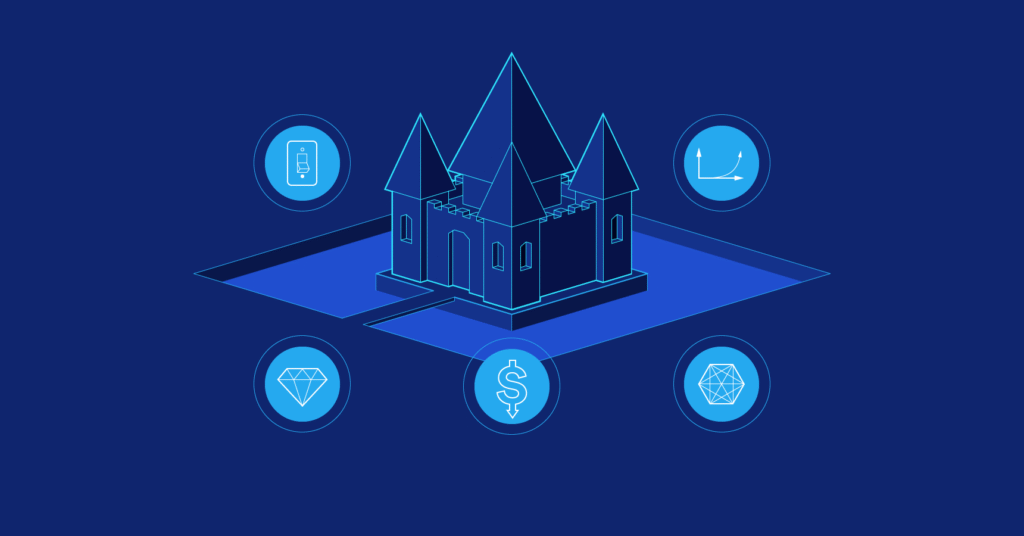
Strategic Value Vectors
- Product-Market Fit via Problem Density: The speed at which a company grows is directly proportional to the acute pain of the problem it solves. Focus on hair-on-fire problems—processes that are painfully slow, excessively costly, or structurally confusing for the end client.
- High Unit Economics and Gross Margins: Higher gross margins give you breathing room. They allow you to absorb unexpected operational mistakes, hire better talent, pay more to acquire customers, and reinvest aggressively back into research and development.
- Intellectual Property and Proprietary Process: Whether it is a unique software algorithm, a patented physical design, or a highly refined internal workflow, proprietary assets create artificial monopolies that command premium pricing power.
Financial Mechanics: Cash Flow, Working Capital, and Reinvestment
A company can be wildly profitable on an accrual accounting sheet and still go bankrupt if its cash flow timing is broken. Managing the Cash Conversion Cycle (CCC) is the difference between smooth scaling and catastrophic liquidity crunches.

Cash Flow Optimization Framework
- Negative Working Capital Strategy: Structure your commercial terms so customers pay upfront (via subscriptions, retainer deposits, or immediate digital point-of-sale) before you have to settle accounts payable with your suppliers. This allows your growth to fund itself organically.
- Tiered Capital Allocation: Divide net profits systematically into three clear buckets:
- Operational Safety Reserve: 3 to 6 months of fixed overhead kept in liquid, low-risk accounts.
- Internal Growth Capital: Dedicated funding for high-ROI internal projects (marketing tests, key hires, tooling upgrades).
- Owner Distribution Vector: Swept cleanly into personal, diversified investment vehicles completely disconnected from the primary business.
Modern Growth Levers: Technology, Automation, and Distribution
In traditional industrial models, scaling required a linear increase in physical assets and manual labor. In the modern digital economy, leverage is asymmetrical. A lean team leveraging software, media, and capital can generate outputs that historically required hundreds of staff.
Building the Omnichannel Distribution Engine
Distribution is often more critical than product design. A good product with a world-class distribution engine will consistently outperform a superior product with no audience reach.
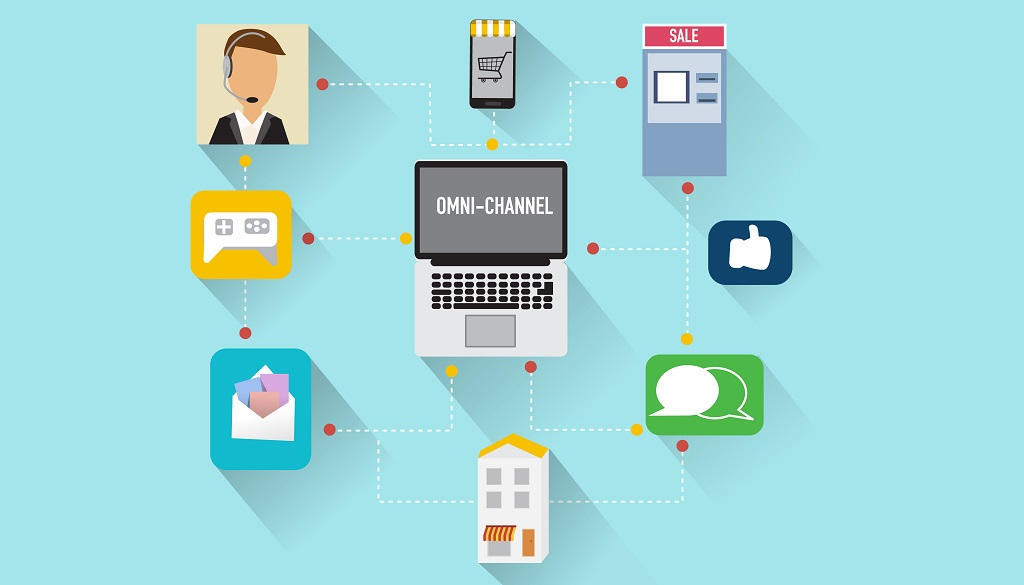
- Search Engine Optimization & Authority Content: Building organic search equity creates long-term digital real estate that drives high-intent, zero-marginal-cost customer traffic for years.
- Owned vs. Rented Media Channels: Social media platforms are essential for top-of-funnel reach, but they are rented ground subject to sudden algorithm changes. Continuously move social traffic onto owned distribution networks like direct email lists and private communities.
- Programmatic Ad Spend Cycles: Once customer lifetime value (LTV) reliably exceeds customer acquisition cost (CAC) by a factor of three or more, paid advertising channels act as a predictable growth engine rather than a speculative expense.
Organizational Systems: From Solopreneur to System Owner
The ultimate goal of building wealth through business is achieving operational decoupling—designing a system that generates revenue without demanding your continuous physical presence. If the business halts the moment you step away for a month, you have built an exacting job, not an enterprise asset.
The Systemization Framework
- Document Standard Operating Procedures (SOPs): Turn every repeated process—from client onboarding to weekly reporting—into a documented, step-by-step video or written playbook.
- Delegate Outcomes, Not Tasks: When hiring managers or key contributors, assign them complete ownership of specific key performance indicators (KPIs) rather than micromanaging their daily task lists.
- The “Four Box” Time Audit: Every quarter, map your daily activities into four distinct categories:
Personal Asset Allocation: Decoupling from the Engine
A dangerous mistake entrepreneurs make is leaving 100% of their net worth concentrated inside their primary company. While concentrating capital builds wealth, diversifying capital preserves wealth.

As your business matures, sweep profits regularly into uncorrelated asset classes. Commercial or residential real estate offers tax advantages through depreciation alongside stable rental cash flows. Broader index funds provide passive, long-term market compounding without operational drag.
Common Pitfalls along the Path to Wealth
Avoiding costly mistakes is often more important than making brilliant moves. The path to lasting financial security is littered with easily avoidable traps.
- Premature Lifestyle Inflation: Elevating your personal living expenses every time your business has a banner quarter dries up the capital required to survive eventual downturns or fund expansion.
- Co-Mingling Corporate and Personal Capital: Keep crisp, unbreachable legal boundaries between your personal bank accounts and your business entities. Mixed finances obscure true operating margins and create severe legal liabilities.
- The Single Client Concentration Trap: If any single customer or partner represents more than 20% of your total revenue, your business carries structural fragility. Prioritize customer diversification early.
Strategic Synthesis: The Long-Term Horizon
Building meaningful, generational wealth through business is fundamentally an exercise in patient compounding. It requires taking the long view—focusing on customer value, unit economics, systemization, and disciplined capital allocation over decades rather than months.

By transitioning from a simple wage earner to a systems architect and asset owner, you reclaim control over your most non-renewable resource: your time. True financial success isn’t defined by flashy consumption—it is the freedom to work on what you want, when you want, with whom you want, for as long as you want.
FAQ’S
1. What is the best way to build wealth through a business?
Focus on solving customer problems, managing finances wisely, and reinvesting profits for long-term growth.
2. Why is cash flow important for a business?
Healthy cash flow helps cover expenses, supports growth, and keeps the business financially stable.
3. How can small businesses increase profits?
By improving marketing, reducing unnecessary costs, offering quality products, and retaining loyal customers.
4. Should entrepreneurs invest outside their business?
Yes, diversifying investments in stocks, real estate, or mutual funds can help reduce financial risk.
5. How does technology help businesses grow?
Technology improves efficiency through automation, better communication, data analysis, and enhanced customer service.