

If your idea of a vacation involves sitting by a resort pool with a cocktail, China might not be the first place on your radar. But if you are the kind of traveler whose heart beats a little faster at the prospect of mist-shrouded peaks, sheer vertical drop-offs, and trails that double as ancient portals through time, China is the ultimate playground.
The sheer physical scale of the country is staggering. In a single journey, you can transition from high-altitude alpine lakes that look like liquid turquoise to otherworldly forests of towering sandstone obelisks. The real magic, though, is that outdoor exploration here isn’t just a physical workout—it is an immersion into a landscape packed with deep history and living culture.
Here is a look at why China needs to be at the very top of your adventure bucket list.
1. The Incredible Diversity of China’s Wild Landscapes
The problem with planning an adventure in China isn’t finding something incredible to do; it’s figuring out how to narrow down your choices. The country’s topography changes so drastically from one border to the next that it feels less like a single nation and more like a collection of different worlds.
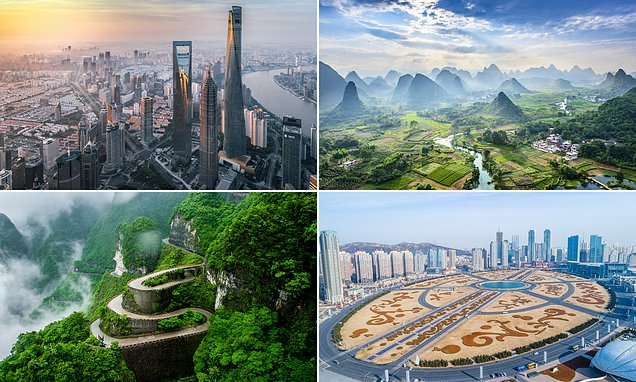
In the north, the landscape is defined by arid mountain ridges and rolling grasslands. Move down to south-central provinces like Hunan, and the earth breaks apart into thousands of narrow, jungle-covered stone spires. Head further west into Sichuan, and the terrain shoots upward, morphing into high-altitude ecosystems, dramatic waterfalls, and jagged peaks rising nearly 5,000 meters into the sky.
2. Walking Through History: Hiking the Great Wall of China
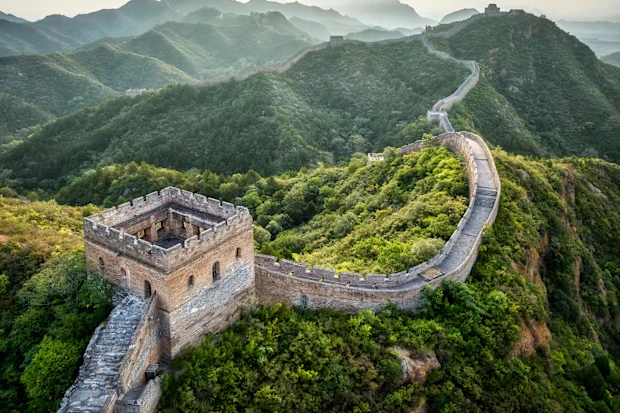
Almost everyone has seen a photo of the Great Wall, but standing on a crumbling stone watchtower as the wind whips across a remote ridge is a completely different story. Stretching over 20,000 kilometers, this ancient military defensive system climbs and drops along mountain crests with a fluid grace that makes it look like a sleeping dragon woven directly into the earth.
For true adventure junkies, the secret is to skip the heavily manicured, tourist-packed sections near Beijing and head for the “wild” or unrestored portions like Jiankou or Simatai. Here, nature is slowly reclaiming the brickwork. Trees grow out of old archways, the climbs are aggressively steep, and you often have to scramble up loose stones. It’s physically demanding, but watching the sunset over a completely silent, empty stretch of ancient history is a feeling you will never forget.
3. Entering the Surreal: Zhangjiajie and China’s Wulingyuan Spires
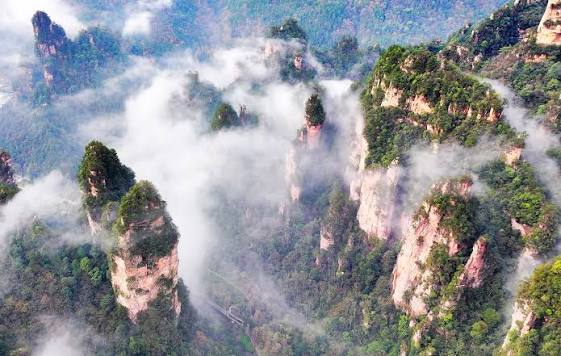
If you ever wanted to know what it feels like to step inside a sci-fi movie, the Wulingyuan Scenic Area in Hunan Province is your chance. This geological anomaly features more than 3,000 narrow sandstone pillars—many soaring over 200 meters high—rising out of deep, green ravines. It is the exact landscape that inspired the floating mountains in the movie Avatar.
- The Atmosphere: When the morning mist rolls through the gorges, the tops of the pillars cut through the clouds, making them look like they are floating in mid-air.
- The Modern Thrills: China has leaned heavily into the dramatic height of this region. You can ride the Bailong Elevator—a massive glass lift built right into the side of a cliff—or test your nerves on the Zhangjiajie Glass Bridge, suspended hundreds of meters above a massive canyon floor.
4. High-Altitude Magic: Jiuzhaigou and China’s Alpine Wonders
Located in northern Sichuan, the Jiuzhaigou Valley is a masterclass in hydration and color. Extending across 72,000 hectares of protected parkland, this alpine valley is famous for its multi-tiered waterfalls and narrow karst lakes so clear you can see fallen, ancient trees preserved at the very bottom.
Because of the heavy mineral deposits in the water, the lakes shift between brilliant shades of turquoise, emerald, and deep sapphire depending on the time of day and the angle of the sun. It’s a high-altitude paradise that tops out near 4,800 meters. While you don’t need to be an elite mountaineer to navigate the valley’s well-maintained boardwalks and trails, the thin air and pristine, wild ecosystems give you the distinct feeling that you have crossed over into somewhere truly remote.
5. Chasing the Ultimate Adrenaline Rush on China’s Peaks
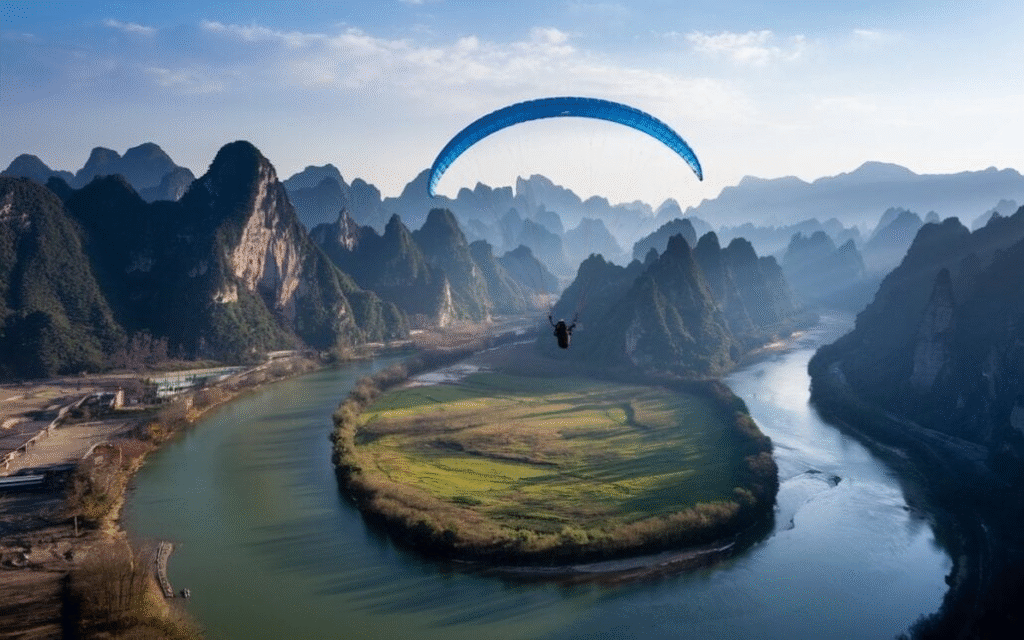
China has a massive appetite for vertical engineering, making it a dream destination for travelers who like their adventure with a side of sweaty palms.
The Cliffside Plank Walk: Located on Mount Huashan near Xi’an, this infamous trail requires hikers to clip into a safety harness and shuffle along narrow wooden planks bolted directly into a sheer, vertical granite cliff face thousands of feet in the air.
If Huashan doesn’t clear out your sinuses, China offers plenty of other engineering marvels designed to get your pulse racing:
- The Guoliang Tunnel: A road carved entirely by hand out of the side of a steep cliff by a small village of local farmers in the 1970s.
- Glass Skywalks: Coiled around the cliffs of Tianmen Mountain, these clear walkways give you a direct view of the drop beneath your boots.
6. Savoring the Fusion of Culture and Nature Across China
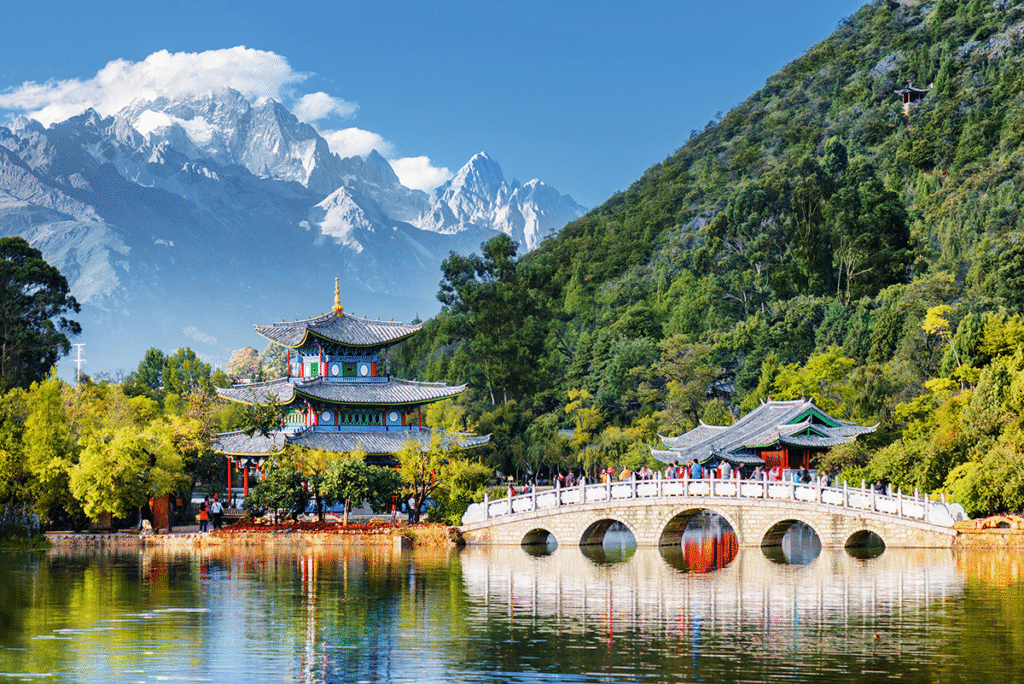
What truly elevates outdoor travel in China is that you are never operating in a cultural vacuum. The trail is rarely just a trail; it is a living artery connecting communities.
A long mountain trek might take you right through an old ethnic minority village, where the smell of woodsmoke fills the air and the architecture dates back centuries. You might stop for lunch at a family-run guesthouse, eating incredibly fresh local dishes seasoned with wild herbs gathered from the very slopes you just climbed. You might pass ancient Buddhist shrines carved into rock faces, or hear the distant toll of a monastery bell echoing across a canyon.
This rich texture means that when you finish a hard day of trekking, your mind is just as stimulated as your muscles.
7. Practical Tips for Planning a Successful China Adventure
| Tip | The Strategy | Why It Matters |
|---|---|---|
| Slow Down | Pick 1 or 2 regions per trip instead of trying to cross the whole country. | China is massive; rushing leads to spending your vacation on planes and trains rather than on the trails. |
| Check the Altitude | Give yourself a day or two to acclimatize if heading to western regions like Sichuan. | Altitude sickness can ruin a trek instantly if you push too hard, too fast. |
| Download Offline Maps | Use reliable offline translation and mapping apps before you leave home. | Connectivity can be spotty in deep valleys and remote mountains, and English signage varies wildly. |
| Know Your Limit | Don’t feel pressured to do the extreme cliff walks; use the scenic paths. | China excels at offering multiple routes—you can get world-class views from safe boardwalks or wild trails. |
The Takeaway
China is a country that demands active participation. It is not a destination you simply look at through a tour bus window; it is a place you climb, cross, sweat through, and experience with every single sense.
The combination of mind-boggling geological scale, deep historical weight, and raw adrenaline makes it an addictive place for anyone with a wandering spirit. Pack a solid pair of hiking boots, leave your expectations at the door, and get ready for a journey that will completely rewrite your definition of adventure travel.
FAQ’S
1. What is the best place for adventure travel in China?
Zhangjiajie National Forest Park is one of the top destinations for adventure lovers.
2. What is the best time to visit China for outdoor adventures?
Spring (March to May) and autumn (September to November) offer the best weather for adventure travel.
3. Is China suitable for beginner hikers?
Yes, China has many hiking trails and nature parks that are suitable for beginners as well as experienced trekkers.
4. What adventure activities can I enjoy in China?
You can enjoy hiking, trekking, camping, rafting, rock climbing, mountain biking, and nature photography.
5. Why is China a popular adventure travel destination?
China offers breathtaking landscapes, diverse outdoor activities, rich cultural heritage, and world-famous natural attractions.