
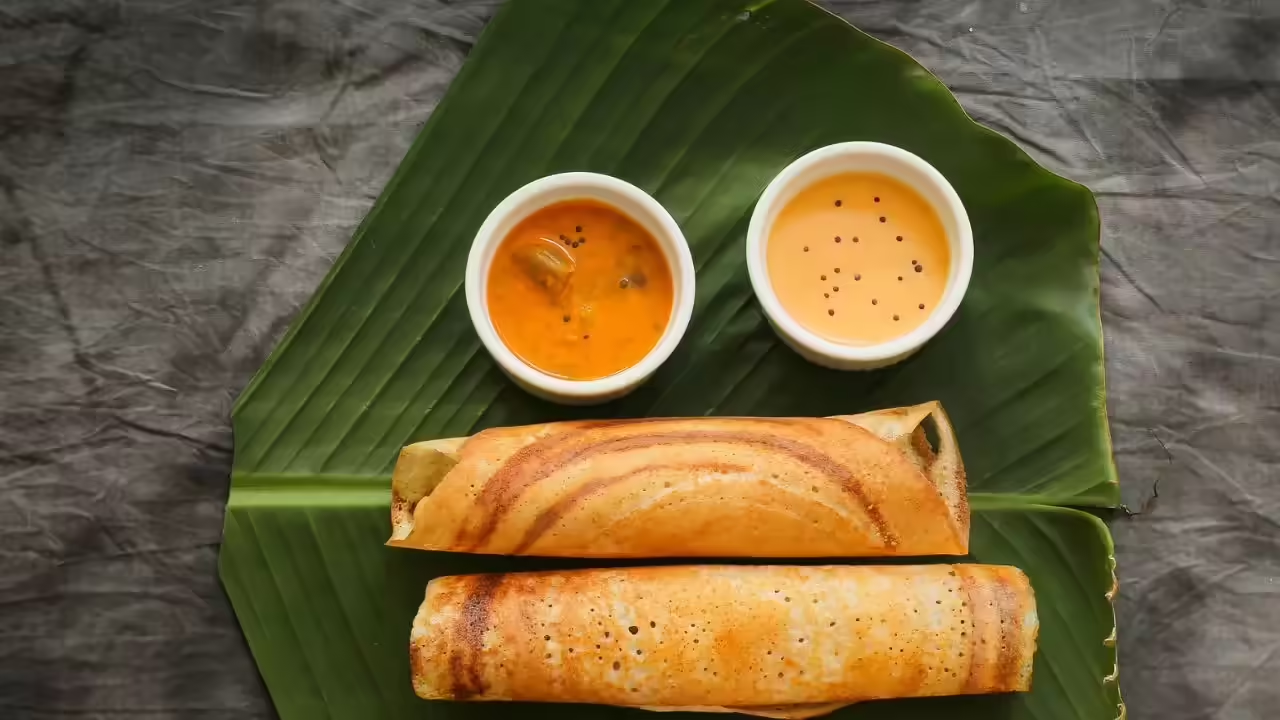
Few culinary experiences rival the pure, sensory theater of watching a master dosa master at work on a street corner in Chennai, Bengaluru, or Mumbai. The heavy iron tava is a dark, seasoned stage. A ladle of pale, live batter hits the smoking center. With a flick of the wrist, the bottom of the ladle spirals outward in dizzying, perfect concentric circles, stretching the batter into a translucent sheet.
Then comes the hiss of hot ghee, the rising aroma of toasted rice and fermented lentils, and the magical, slow-motion transformation as the surface blisters into an architectural mosaic of deep gold and copper.
To the uninitiated, a dosa looks deceptively simple—a glorified crepe, perhaps. But anyone who has ever faced a cold, pale, rubbery disc stuck stubbornly to a home frying pan knows that perfect restaurant-style crispy dosa is not an accident. It is a brilliant, centuries-old exercise in food science, microbiology, and thermal mechanics.
The Master Blueprint: Ratios, Textures, and Ingredient Chemistry
The journey to an exceptional dosa begins long before the pan is heated. It starts in the dry pantry, where the precise chemical interplay between rice and lentils determines whether your dosa will shatter like glass or chew like cardboard.
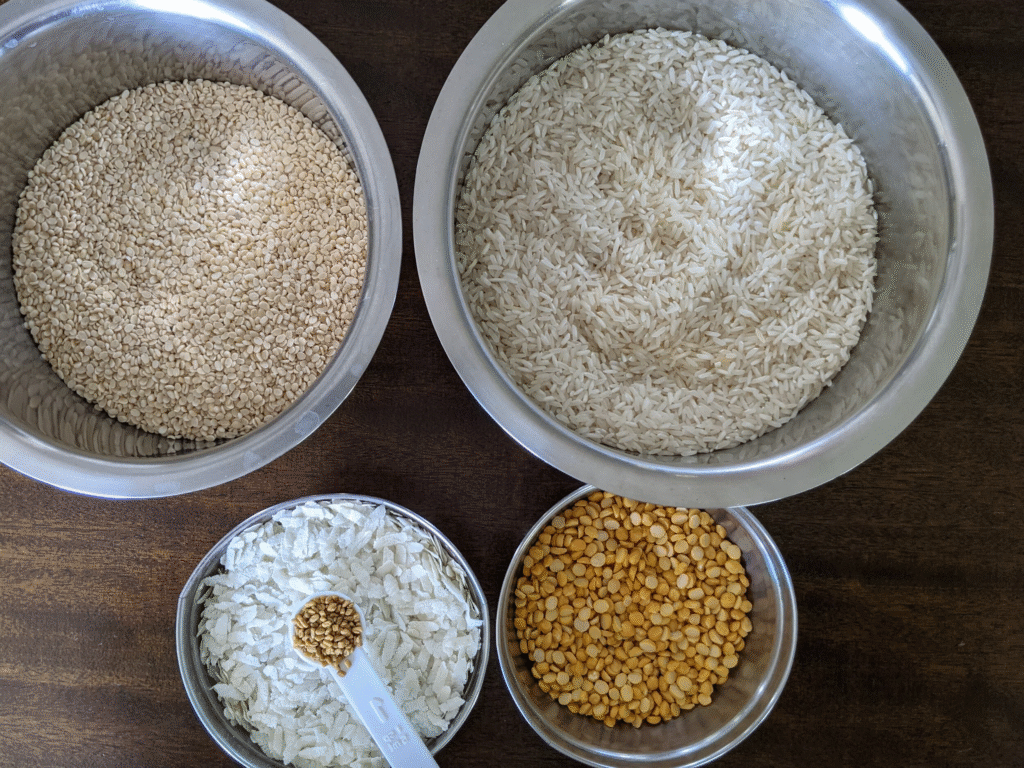
Experienced cooks use a calculated blend of Idli Rice (short-grain parboiled rice) and Raw Rice (like Sona Masuri). The parboiled rice contains gelatinized starches that provide the essential structural integrity and body, while the raw rice contributes the brittle, glassy crispness that prevents the dosa from going soft the moment it hits the plate.
The golden ratio that has stood the test of time is $3:1$ or $4:1$ (Rice to Urad Dal). But the real secret lies in the types of rice used. Relying solely on standard long-grain white rice yields a flat, pale result.
Whole, skinless black gram (Urad Gota) is preferred over split dal because it retains more of its natural mucilaginous proteins, which act as a natural emulsifier, trapping air bubbles during grinding and providing the batter with its luxurious, velvety lift.
Finally, a tablespoon of Fenugreek seeds (Methi) is non-negotiable. Fenugreek contains high amounts of mucilage that aid fermentation, but more importantly, it is rich in natural sugars that caramelize beautifully under heat, giving the finished dosa its signature, uniform golden-brown hue and a deeply complex, nutty aroma.
The Alchemy of Wild Fermentation
Fermentation is the invisible heartbeat of South Indian cuisine. It is not merely a preparation step; it is a live, biological transformation that converts raw starches into a complex, easily digestible superfood teeming with wild lactic acid bacteria and natural yeasts.
Once the soaked grains are ground—the urad dal until it is a fluffy, cloud-like mousse, and the rice until it feels like fine sand—they are brought together and mixed by hand. The physical act of mixing with your bare hands is deeply traditional and scientifically sound: the natural warmth and benign flora of the human hand jumpstart the wild fermentation process.
A perfectly fermented batter is a living thing. It should double in volume, exhibit a beautifully frothy, aerated surface, and emit a clean, pleasantly tangy, yogurt-like aroma.
If it smells sharp, pungent, or alcohol-like, it has over-fermented and will tear on the pan. If it hasn’t risen and looks flat, your dosas will be heavy and dense. In colder climates, smart home cooks simulate the tropical heat of South India by placing the batter bowl inside a closed oven with the pilot light turned on, or wrapping the vessel in a thick winter blanket to insulate the industrious microbes within.
Thermal Mechanics: The Iron vs. Non-Stick Debate
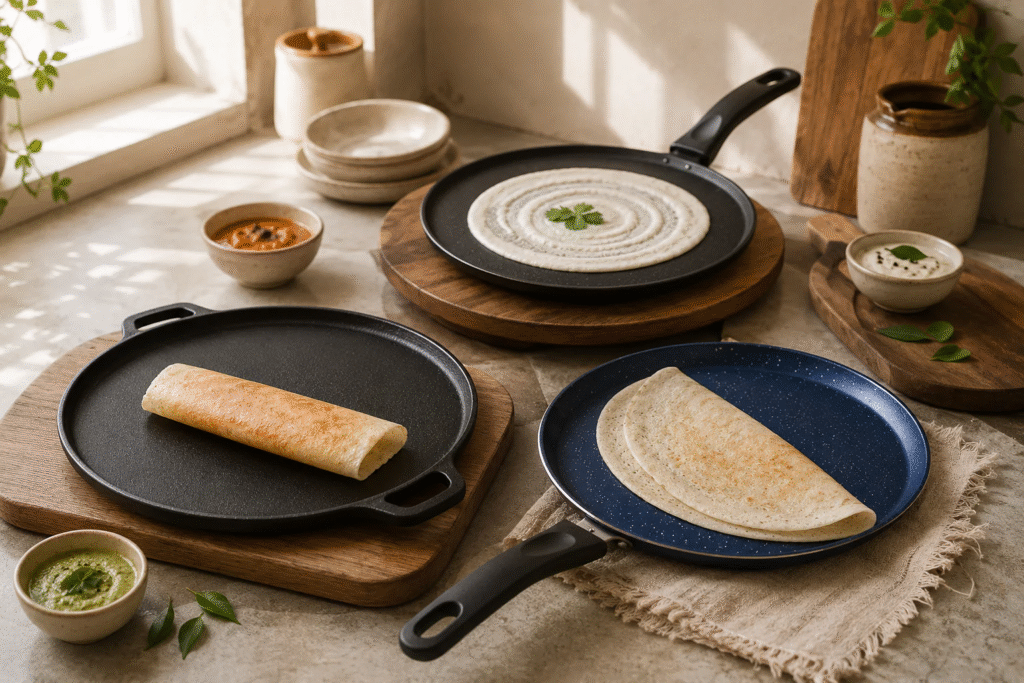
You can possess a flawless, beautifully aerated batter, but if your cooking surface is chemically inert or thermally unstable, your dosa will fail. This brings us to the ultimate kitchen crossroads: cast iron versus modern non-stick coatings.
| Pan Medium | Thermal Retention | Tactile Feedback | The Verdict |
| Heavy Cast Iron / Carbon Steel | Exceptional; holds deep, radiating heat evenly across the entire surface. | Grips the batter initially, allowing for ultra-thin spreading before releasing it cleanly via seasoning. | The Connoisseur’s Choice. Yields deep color variation and maximum crispness. |
| Modern Non-Stick (PTFE/Ceramic) | Moderate to poor; susceptible to rapid temperature drops when cold batter hits it. | Slick surface can cause the batter to slip and glide, making it difficult to spread ultra-thin. | The Beginner’s Safety Net. Forgiving and requires minimal fat, but sacrifices texture. |
If you choose the traditional route of cast iron, the pan must be meticulously seasoned—a process of polymerizing layers of oil into the microscopic pores of the metal until it achieves a glossy, obsidian-black sheen.
Before the first ladle of batter touches the pan, the surface temperature must be calibrated with absolute precision. Professional chefs employ a technique called seasoning the tava between every single dosa.
They splash a small handful of water onto the scorching hot metal. The water should instantly vaporize with a sharp, angry hiss, cooling the surface just enough so that when the wet batter is poured, it adheres to the pan instead of instantly frying and sliding around. A quick wipe with a halved onion dipped in oil cleans the surface, flavors the metal, and readies the stage for the perfect spread.
The Choreography of the Circle: Spreading and Searing
Spreading dosa batter is a test of confidence and fluid mechanics. It is a movement that cannot be hesitated over; the moment the batter hits the hot pan, a countdown begins as the starches instantly begin to set.
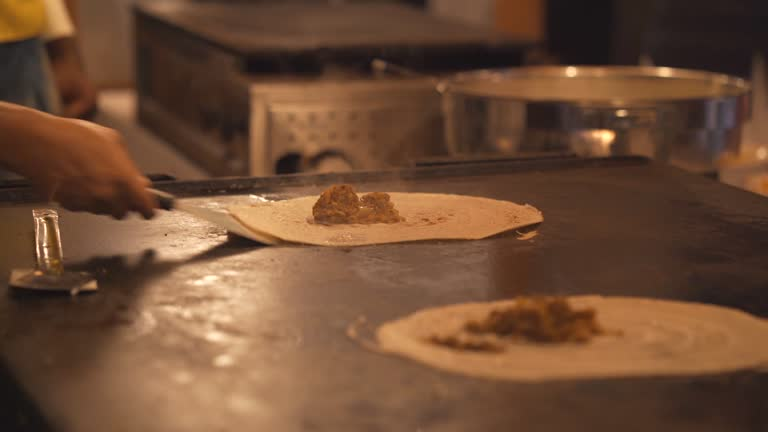
The technique requires a light touch. You are not pushing the batter with force; you are skimming the top layer, coaxing it outward using the residual heat of the pan to thin out the mixture.
As the dosa cooks, tiny craters and lace-like holes will form across the surface—this is the moisture escaping from the fermented air pockets, a visual guarantee of lightness.
Immediately drizzle a generous teaspoon of melted ghee or cold-pressed sesame oil (nallennai) around the perimeter and directly into the center. As the oil seeps under the setting batter, it effectively deep-fries the bottom layer against the hot iron, turning the pale batter into an intricate lattice of golden brown.
Patience is paramount. Do not poke, prod, or scrape the dosa. When it is fully cooked and perfectly crisp, the edges will naturally release themselves from the iron, curling upward like parchment paper as if to signal that its transformation is complete.
The Alchemical Core: The Perfect Potato Podimas
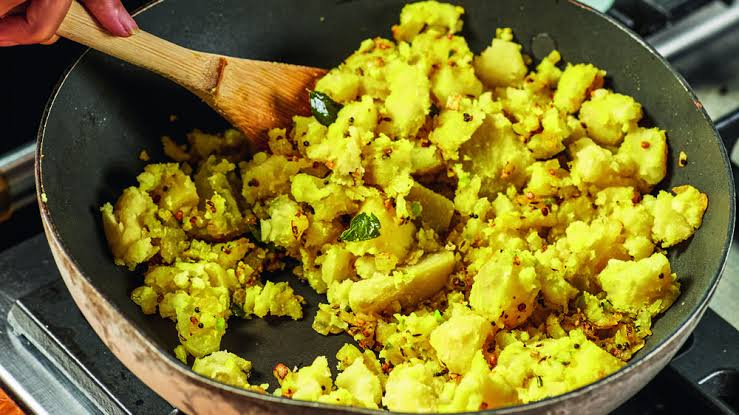
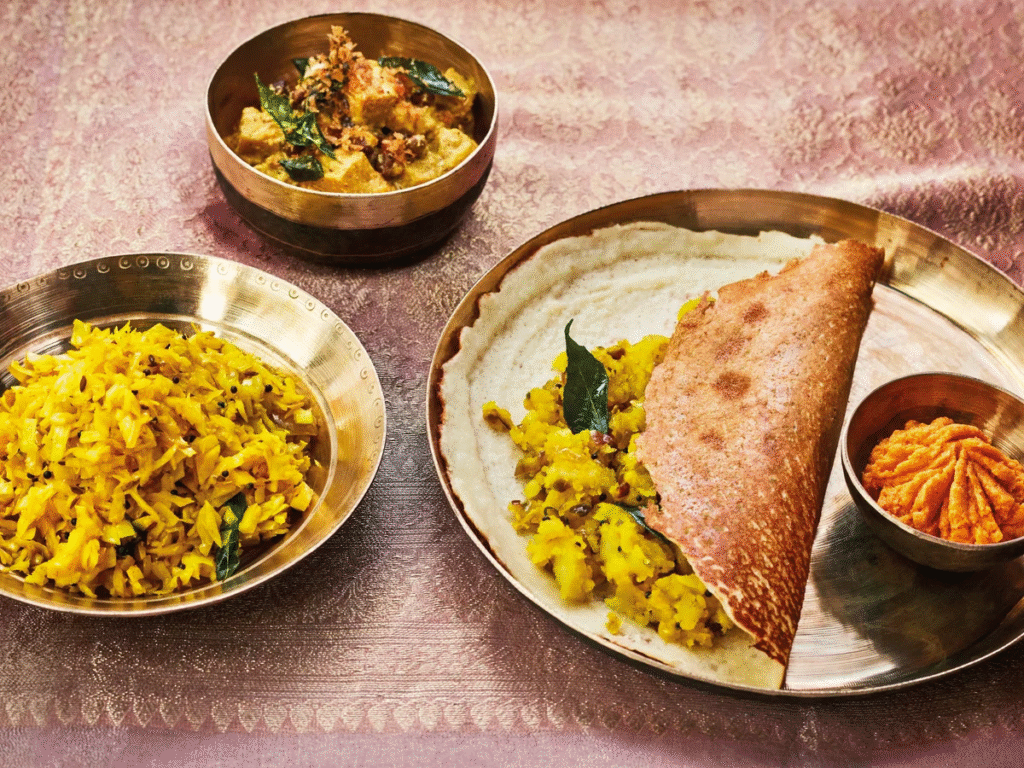
While a plain paper roast dosa is a masterclass in minimalism, the addition of a classic, yellow potato masala elevates the dish into the realm of ultimate comfort food. The filling should never be a smooth, baby-food mash; it must possess character, texture, and a balance of aromatic spices.
The onions are the unsung hero of a great masala filling. They should not be browned or caramelized; they must be sautéed just until translucent, retaining their natural, juicy sweetness to contrast against the earthy potatoes and fiery green chilies.
A splash of hot water toward the end of the cooking process creates a semi-moist, luscious texture that lightly clings to the inner surface of the crisp dosa without waterlogging it. Placed dead center just before folding, this filling provides a soft, steaming, spiced sanctuary within the crunchy exterior.
The Accoutrements: Sambar and the Holy Trinity of Chutneys
A dosa never travels alone. It is an ensemble piece that requires the bright, contrasting notes of traditional accompaniments to achieve true culinary harmony. The relationship between a hot, dry dosa and its wet, cool sides is a beautiful study in gastronomic balance.
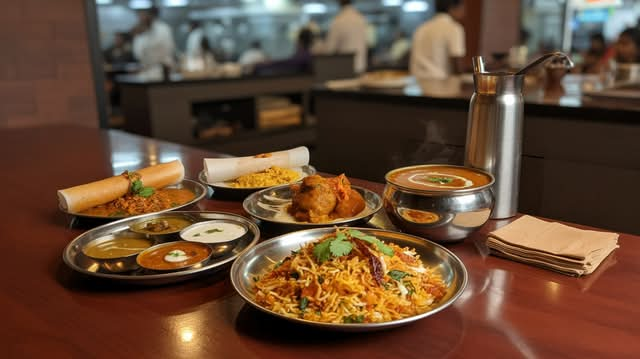
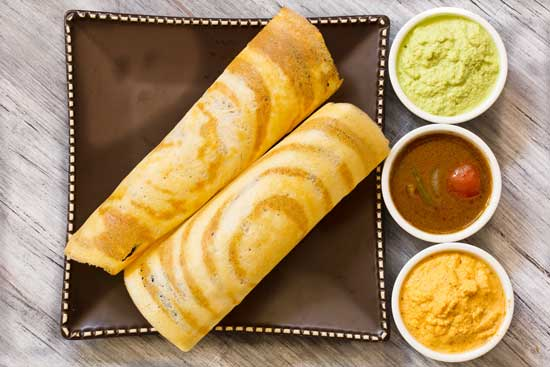
- The Sambar: A rich, tangy, lentil-based vegetable stew flavored with a complex spice blend of roasted coriander, cumin, fenugreek, and toasted chilies, sour-sweetened with tamarind pulp. It provides a warm, savory bath that softens the crisp edges of the dosa upon dipping, releasing a burst of comforting spice.
- Classic Coconut Chutney: The cooling counterweight. Freshly grated coconut ground with roasted chana dal (pottukadalai), green chilies, and ginger, finished with a sizzling tempering of mustard seeds and crackled curry leaves. It offers a creamy, refreshing fat profile that tempers the heat of the masala.
- Tomato-Onion Kara Chutney: The fiery rebel. A deep red, spicy, and tangy condiment made from slow-roasted tomatoes, red onions, garlic, and dried red chilies, providing a sharp, acidic punch that wakes up the palate between bites.
Beyond the Classic: The Infinite Adaptability of the Grid
Once the foundational technique of the fermented rice-lentil batter is locked into your muscle memory, the tava becomes a canvas for infinite regional variations and modern culinary expressions.
You can explore the rich, thick, pillowy texture of Set Dosa, served in a stack of three sponge-like rounds that soak up curries beautifully. Or dive into the rustic, earthy notes of Millet Dosa, substituting ancient grains like ragi or jowar into the traditional mix for an unrefined, nutrient-dense profile that brings a distinct, nutty crunch to the table.
There is no singular, correct way to enjoy a dosa; its very design invites experimentation, adjustments to taste, and a celebration of seasonal ingredients.
Within minutes, it is rolled or folded into a geometric triangle—defiant in its structural crispness, shattering at the slightest touch of a finger, yet holding a soft, tangily fermented soul within its inner layers.
The Holistic Ritual: Nourishment for Mind and Body
Beyond the undeniably intoxicating taste and textural contrast, the traditional dosa is a testament to the quiet nutritional wisdom of ancient Indian food ways. The symbiotic combination of grain (rice) and legume (urad dal) creates a complete amino acid profile, yielding a high-quality, plant-based protein source that is naturally gluten-free and gentle on the human digestive tract.
The fermentation process breaks down complex phytic acids, unlocking micronutrients and vitamins—particularly the B-complex family—while introducing gut-friendly probiotics that support metabolic health.
But more than the metrics of nutrition, making dosa at home is an act of deep mindfulness and connection. It is a slow, grounding process that cannot be rushed by a microwave or an instant packet. It demands your presence: the sound of the sizzling water, the tactile feedback of the ladle, the patience required to let the iron do its work, and the joy of serving it hot straight from the tava to the plate of someone you care about.
Dosa is a living tradition, a comfort food that bridges past wisdom with modern kitchens, proving that with a little understanding of fermentation and heat, the humblest ingredients can be transformed into a culinary masterpiece.
FAQ’S
1. What makes a dosa crispy?
A well-fermented batter, the right pan temperature, and spreading the batter thinly help create a crispy dosa.
2. How long should dosa batter ferment?
Dosa batter typically ferments for 8–12 hours, depending on the room temperature.
3. Can I make dosa without a cast-iron pan?
Yes, a good-quality non-stick pan works well, especially for beginners.
4. What is the best accompaniment for dosa?
Coconut chutney and hot sambar are the most popular and traditional side dishes.
5. Can I store leftover dosa batter?
Yes, fermented dosa batter can be refrigerated in an airtight container for up to 3–5 days.