
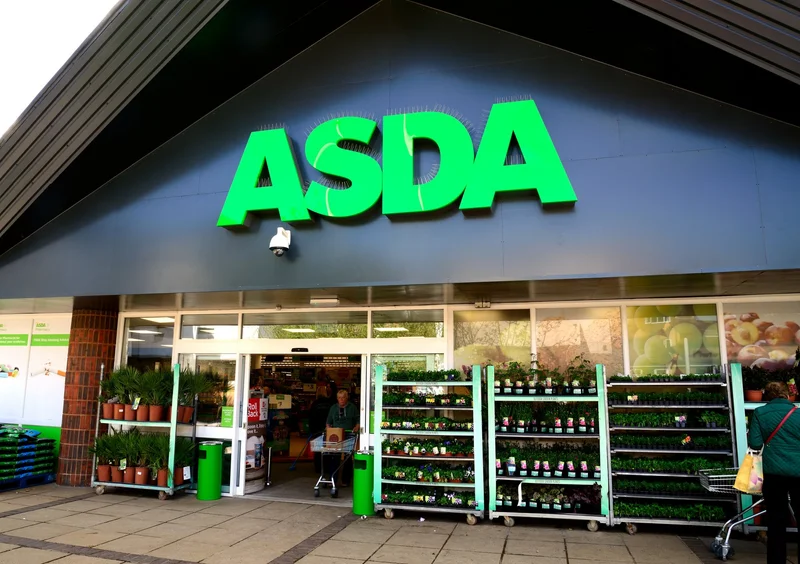
Over the past few weeks, ASDA redundancies have become one of the most talked-about topics in the UK retail space. From social media discussions to mainstream news coverage, the conversation has been intense, emotional, and, for many employees, deeply personal. When a supermarket chain that has been part of everyday British life for decades announces job cuts, it naturally raises questions—not just about business decisions, but about people, livelihoods, and the future of retail itself.

A Sudden Shift That No One Expected

For many ASDA employees, the redundancy news did not feel like a distant corporate update—it felt close to home. Staff members who had worked for years in stores, distribution centres, or management roles suddenly found themselves facing uncertainty. That shock factor is one of the biggest reasons the story has gained so much attention. ASDA has long been seen as a stable employer, especially for workers who value long-term security over fast-changing career paths. When that sense of stability is shaken, people notice.
The Bigger Picture Behind the Job Cuts
| Kantar
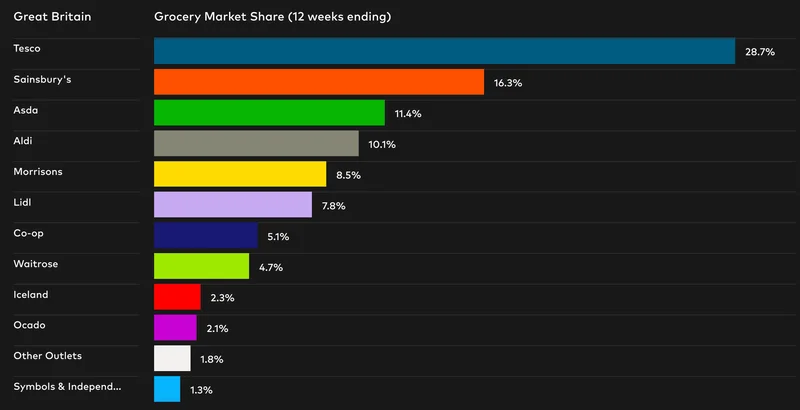
At its core, the redundancy situation reflects the wider pressure facing the retail industry. Rising operating costs, changes in consumer spending habits, and increased competition from online grocery platforms have all played a role. ASDA, like many large retailers, is trying to adapt to a market where customers expect lower prices, faster service, and more digital convenience.
Restructuring, while painful, is often used by companies as a way to streamline operations and stay competitive. In ASDA’s case, this has meant reviewing roles, departments, and store structures to reduce costs and improve efficiency. While the business logic may make sense on paper, the human impact is what’s driving public reaction.
Employees Caught in the Middle

What makes this story particularly emotional is the people affected. Many ASDA workers are not just employees; they are parents, caregivers, and primary earners for their families. Redundancy is never just about losing a job—it’s about losing routine, confidence, and financial stability.
Stories shared by employees online have added fuel to the headlines. From concerns about redundancy packages to fears about finding new work in a competitive job market, these personal experiences have made the issue more relatable to the public. When real voices are heard, the story stops being corporate news and becomes a human one.
Why the Public Is Paying Attention
ASDA redundancies are not happening in isolation. They are part of a broader trend across UK retail, where well-known brands are rethinking how they operate. This has made shoppers more aware of the challenges behind the shelves they browse every week.
There’s also a sense of concern about what these changes might mean for local communities. ASDA stores often employ a large number of people from the same area. When roles are cut, the impact goes beyond the company and affects local economies, spending power, and community morale.
Trust, Reputation, and Brand Impact
Another reason this issue is making headlines is the impact on ASDA’s public image. Customers today care more than ever about how companies treat their employees. Redundancy announcements naturally put brands under scrutiny, with people watching closely to see how transparently and fairly the situation is handled.
How ASDA supports affected workers—through consultation, compensation, and career support—will play a major role in shaping public opinion. In the age of social media, silence or poor communication can quickly damage trust, while empathy and openness can soften even the toughest decisions.

What This Means for the Future of Retail Jobs
The ASDA redundancy news has sparked wider conversations about job security in retail. Many workers are now questioning how safe long-term roles really are and whether upskilling or exploring alternative career paths is necessary. It’s a reminder that even established companies are not immune to change.
At the same time, it highlights the need for stronger support systems for workers facing redundancy, from retraining opportunities to mental health support. As automation and digital transformation continue to grow, these conversations are likely to become even more common.
A Story Still Unfolding
What keeps ASDA redundancies in the headlines is that the situation is still developing. Employees, unions, customers, and industry experts are all watching closely for updates. Each new statement or decision adds another layer to the story, keeping public interest alive.
This isn’t just about one company—it’s about how modern businesses balance profitability with responsibility, and how workers are supported during times of change.
Final Thought: ASDA redundancies are making headlines because they represent more than job cuts—they reflect the real human cost of an industry in transition. As the retail world continues to evolve, how companies handle moments like these will define not just their future, but the trust of the people who keep them running every day.
YOU MIGHT ALSO LIKE
- Chipotle’s $1 Million Super Bowl Giveaway: How to Score Free Burritos and Bowls
- Record Domain Sale: AI.com Changes the Game in Tech
- Taylor Swift’s Opalite Music Video Breaks the Internet — Here’s What’s New
- Bitcoin Price Forecast: Will BTC Break New All-Time Highs Soon?
- The Lincoln Lawyer Season 4 Updates: Everything you need to know about it
Disclaimer: This content is for informational purposes only and is based on publicly discussed developments and general industry trends, not official employment or legal advice.
Hashtags: #ASDARedundancy #RetailNews #UKJobs #WorkplaceChanges #RetailIndustry #EmployeeImpact #Carrerbook #Anslation
Tags: Anslation, ASDARedundancy, Carrerbook, EmployeeImpact, RetailIndustry, UKJobs, WorkplaceChanges