
We live in a world that refuses to slow down. Between demands at work, family obligations, school deadlines, and the relentless, buzzing vibration of notifications in our pockets, it is terrifyingly easy to reach the end of the day feeling completely hollowed out. When you are that exhausted, entertainment stops being a mindless luxury to kill time—it becomes a vital lifeline. It is an invitation to exhale, shake off the day, find a laugh, and gently stitch yourself back together.
The most beautiful thing about entertainment is that it has no universal template. One person’s absolute bliss is sitting in a quiet room turning the pages of a gritty mystery novel, while someone else needs to blast heavy music, lose themselves in an immersive video game, cook a messy new recipe, or sit around a backyard fire with friends. There is no “correct” way to unwind.
The best kind of recreation is simply whatever matches the current temperature of your soul and leaves you feeling a little lighter than you did an hour ago. Instead of treating your downtime like a guilty pleasure or a waste of productivity, we need to recognize it for what it truly is: an essential counterweight that keeps the scales of a busy life from tipping over.
Why We Need to Disconnect to Recharge

Modern life doesn’t just ask for our attention; it demands it, 24 hours a day. Our phones glow with work emails long after office hours, social media feeds refresh infinitely with things to worry about, and the noise never truly stops. It’s entirely possible to be completely connected to the entire globe all day while simultaneously feeling deeply, profoundly isolated and drained.
Stepping into a story, a song, or a game gives your brain permission to step off the hamster wheel. It lowers your cortisol levels, sparks dormant creativity, and reminds you how to feel genuine joy. Far from being a waste of time, giving yourself regular moments of pure enjoyment is exactly how you protect the energy required to show up for the rest of your life.
Tuning Your Entertainment to Your Emotional State
A classic mistake we make is falling into a rigid routine with our downtime—collapsing onto the exact same spot on the couch and scrolling through the same streaming menu every single night out of habit. But human emotions fluctuate. Some days you are buzzing with restless energy and need excitement; other days you are emotionally bruised and just need comfort.
Finding Your Escape: The Many Paths to Unwinding
Every medium offers a completely different way to interact with the world and process our thoughts. Here is how we can intentionally use them to find our balance.
The Transportive Power of Film and Television
There is a reason storytelling through a screen remains a universal comfort. Movies and television series function like temporary portals. For a couple of hours, you don’t have to worry about your mortgage, your career, or your to-do list; you get to care about an intergalactic journey, a hilarious misadventure, or a deeply moving human relationship.
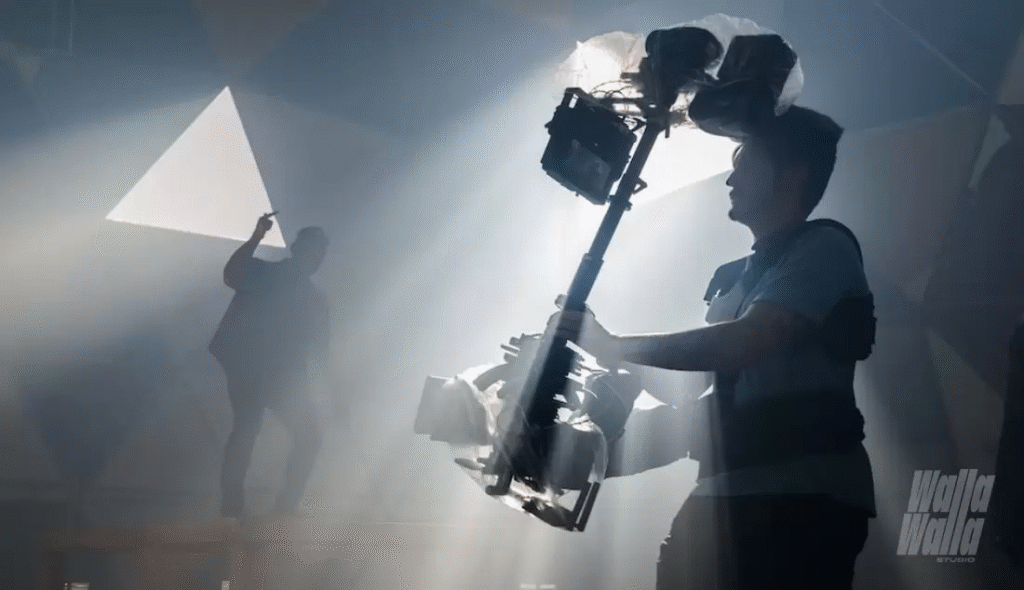
With the rise of streaming, we have the luxury of pacing our stories. You can slowly savor a beautifully shot documentary that sparks your curiosity, or you can find comfort in a familiar sitcom that you’ve already seen ten times—the television equivalent of a warm blanket. When shared with family or friends, it turns into a communal experience. You laugh at the same jokes, debate character choices, and build a quiet, shared language.
Music as a Shortcut to the Soul
- To Quiet a Racing Mind: Slow, ambient piano or soft jazz can act as a physical anchor, slowing your heart rate after a chaotic commute.
- To Build Focus: Classical music or lo-fi beats provide a smooth sonic barrier that shuts out distractions when you need to write or think.
- To Release Tension: Blasting rock, pop, or hip-hop during a drive or a workout serves as a healthy, cathartic release for built-up frustration.

The Unplugged Sanctuary of Reading
In a digital landscape designed to fracture your attention span into seconds, physical books are a quiet act of rebellion. Reading forces you to slow down. Because a book provides only words, your imagination has to step up and build the colors, the faces, the landscapes, and the voices.
Whether you are exploring unforgettable characters in fiction, learning raw life lessons through a biography, or exploring a magical fantasy universe, reading is a profoundly intimate experience. It provides a rare, beautiful opportunity to look away from blue-light screens while building deep focus and empathy.
Interactive Play Through Gaming
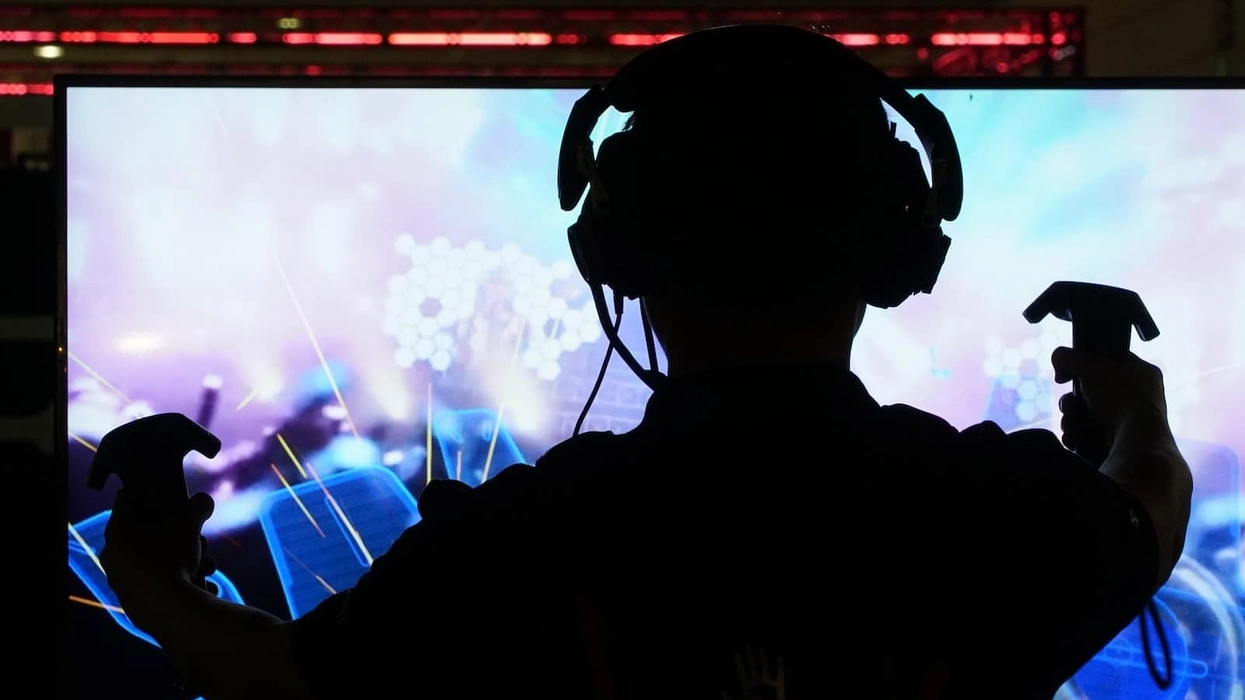
For a long time, video games were dismissed as a trivial hobby for kids. Today, they represent one of the most expressive, immersive artistic mediums on earth. Unlike movies, where you are a passive observer, gaming puts you in the driver’s seat. It requires strategy, coordination, teamwork, and active decision-making.

The spectrum of gaming is massive. You can log onto a high-stakes competitive game with friends across the country to feel the thrill of cooperation, or you can spend a rainy Sunday afternoon quietly building a virtual farm or exploring a silent, beautifully animated landscape. When approached mindfully, it is a highly engaging way to blow off steam and exercise your brain in a low-stakes environment.
Stepping Beyond the Threshold: The Great Outdoors
Go for a walk through a park where you can actually smell the earth, take your bicycle out for a spin through an unfamiliar neighborhood, pack a simple picnic, or try your hand at wildlife photography. Combining gentle physical movement with fresh air, natural sunlight, and the green hues of nature acts like a giant reset button for a fried nervous system. It pulls you out of your head and reminds you that you are part of a massive, living world.
The Joy of Doing Something with Your Hands
Passive consumption is easy, but active, creative hobbies offer a completely different brand of satisfaction. There is a distinct psychological high that comes from making something exist that didn’t exist an hour ago.

Take a messy cooking class, learn how to propagate plants in your garden, paint a canvas without worrying if it looks good, pick up an instrument, or start a woodworking project. These hands-on activities force you into a state of “flow”—that beautiful mental space where you are so completely present in what your hands are doing that the rest of the world completely fades away.
| Passive Entertainment | Active Hobbies |
| Requires low energy; excellent for pure physical exhaustion | Requires creative energy; excellent for mental stagnation |
| Shuts off your thoughts to let you rest | Redirects your thoughts into tangible, satisfying focus |
| Easy to overindulge in to the point of brain fog | Leaves you with a sense of personal pride and a new skill |
The Fine Art of Finding Your Balance
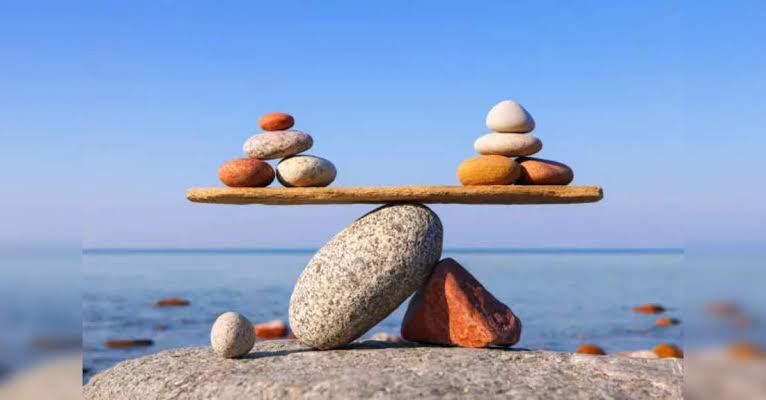
The goal isn’t to purge technology from your life or to feel guilty because you spent a Friday night binge-watching a reality show. The goal is intentionality.
If you find yourself mindlessly scrolling through short-form videos until 2:00 AM, waking up exhausted and irritable, that isn’t entertainment—that’s a coping mechanism for avoidance. True recreation should leave you feeling full, not empty. Mix your digital consumption with offline realities. Read a physical book, have a face-to-face conversation over dinner with someone you love, or just sit on your porch and watch the rain fall without checking your notifications.
Give Yourself Permission to Stop Hustling
As adults, we are conditioned to believe that every single hour of our lives must be optimized for income, fitness, or self-improvement. We feel a nagging sense of guilt the moment we sit down to just play, relax, or enjoy a story.

But a life spent entirely on the clock is a direct path to burnout.
Scheduling time for pure, unadulterated fun isn’t a selfish act; it is a structural necessity. It is the fuel that keeps your patience, your resilience, and your kindness intact. Drop the pressure to follow trends or watch things just because everyone else is talking about them. Listen to your own curiosities. Build a life that has room for both hard, meaningful work and deep, unhurried enjoyment. You are allowed to just enjoy being alive.
FAQs
1. Why is entertainment important in daily life?
Entertainment helps reduce stress, improve mood, and promote relaxation.
2. What are the best forms of entertainment?
Movies, music, books, games, outdoor activities, and hobbies are popular entertainment choices.
3. How do I choose entertainment that suits my mood?
Pick activities that match how you feel, whether you want to relax, laugh, learn, or stay active.
4. Can entertainment improve mental well-being?
Yes, enjoyable activities can reduce stress and support better emotional health.
5. Is spending time with family considered entertainment?
Yes, family game nights, movie nights, and shared activities are great forms of entertainment.