Dating apps have changed the way people meet, communicate, and build relationships. In the past, many people depended on social gatherings, mutual friends, workplaces, or community events to meet someone new. Today, smartphones make it possible to connect with people from different locations, backgrounds, and lifestyles through digital dating platforms.
Whether someone is looking for a serious relationship, friendship, casual dating, or simply an opportunity to meet new people, dating apps offer different ways to explore connections. Users can create profiles, share their interests, discover potential Dating Apps matches, and start conversations without needing to meet in person immediately.
However, choosing a dating app requires more than downloading a popular platform. Features, privacy settings, user experience, communication options, and safety measures all play an important role. Understanding how these platforms work can help users make informed decisions and enjoy a more positive online dating experience.
What Are Dating Apps?
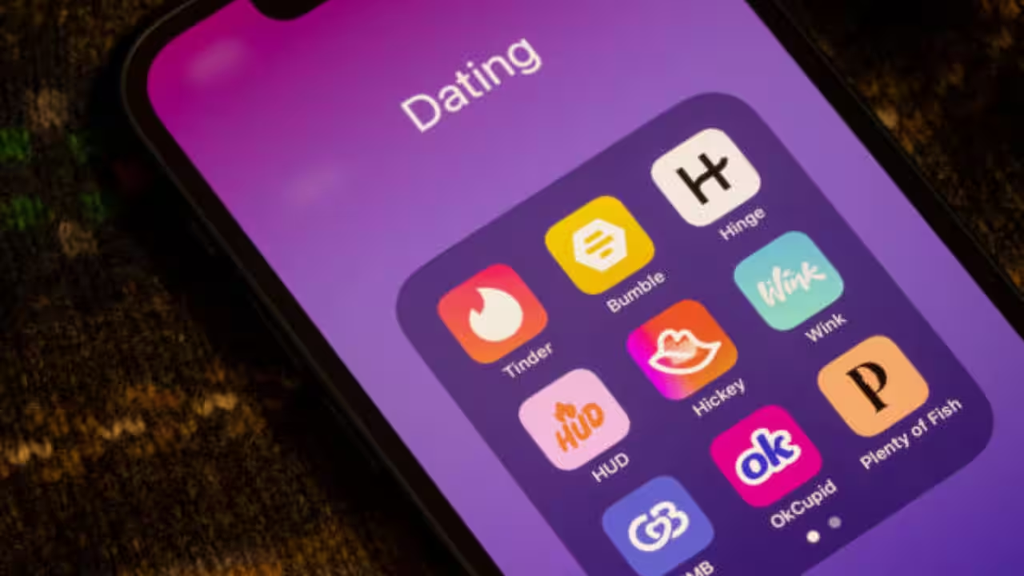
Dating apps are mobile applications and digital platforms designed to help people meet and connect with others who share similar interests, preferences, or relationship goals. Most platforms allow users to create personal profiles containing photographs, short descriptions, hobbies, and information about what they are looking for.
Once a profile is created, users can explore other profiles based on different preferences. These may include age range, geographical distance, interests, lifestyle choices, and relationship expectations.
Many dating applications use matching systems to suggest compatible profiles. Some platforms allow users to express interest by liking a profile, while others encourage conversations through prompts, questions, or shared interests.
The main purpose of dating apps is to make meeting new people more accessible. However, the quality of connections depends on honest communication, realistic expectations, and responsible platform use.
How Do Dating Apps Work?
Most dating apps follow a straightforward process. Users download an application, register an account, create a profile, and begin exploring potential matches.
Although individual platforms have different designs, the general process is similar.
Account Registration
The first step is creating an account. Depending on the platform, registration may require an email address, phone number, or an existing social account.
Some services also offer identity verification to help reduce fake profiles. Users should always review the information requested during registration and avoid sharing unnecessary personal details.
Creating a Dating Profile
A dating profile introduces users to potential matches. It usually includes photographs, a short biography, personal interests, and relationship preferences.
A clear and genuine profile can make it easier for others to understand someone’s personality. Instead of using exaggerated descriptions, users should focus on sharing authentic information.
Discovering Potential Matches
After completing a profile, users can browse suggestions. Matching systems may consider location, interests, age preferences, and other selected details.
Some applications display profiles individually, while others provide a list of potential matches. Users can review profiles and decide whether they want to connect.
Starting Conversations
When two people express mutual interest, certain dating apps create a match and allow them to communicate.
The conversation feature helps users learn about each other before deciding whether to continue the connection. A friendly introduction, thoughtful questions, and respectful communication can make conversations more comfortable.
interested in long-term relationships may benefit from platforms that encourage meaningful conversations rather than focusing only on photographs.
Casual Dating Apps

Casual dating platforms are generally designed for people who want to meet others without immediately committing to a long-term relationship.
Users may explore different connections and communicate their expectations openly.
Clear communication is particularly important because people can have different ideas about dating. Being honest about intentions helps avoid misunderstandings.
Interest-Based Dating Apps
Interest-based dating platforms help people connect through shared hobbies, activities, and lifestyle preferences.
For example, users may find others interested in travelling, fitness, music, cooking, books, or outdoor activities.
Shared interests can provide natural conversation starters and make it easier to discover common ground.
Niche Dating Apps
Niche dating applications serve particular communities or groups of people with specific preferences, lifestyles, or interests.
These platforms may create a more focused environment for users who find general dating applications less suitable.
However, users should still evaluate privacy policies, safety features, community guidelines, and membership options before creating an account.
Benefits of Using Dating Apps
Dating applications offer several advantages that explain their growing popularity. They provide convenient ways to meet people and explore connections beyond traditional social environments.
Convenient Way to Meet New People
One of the biggest advantages of dating apps is convenience. Users can explore profiles and communicate with others using a smartphone.
This can be particularly useful for people with busy schedules who may not have many opportunities to attend social events.
Dating applications make it possible to start conversations at a suitable time without arranging an immediate face-to-face meeting.
Connecting Beyond Social Circles
People often meet potential partners through friends, colleagues, or shared social groups. However, these networks may be limited.
Dating apps introduce users to people outside their existing social circles. They can discover individuals from different professions, interests, and backgrounds.
This wider selection may create opportunities that would otherwise be difficult to find.
Finding People With Similar Interests
Many platforms allow users to mention their hobbies, activities, and preferences.
These details can help people discover others who enjoy similar things. Shared interests may make conversations more natural and provide opportunities for future activities.
For example, two people interested in travelling may enjoy discussing destinations, while fitness enthusiasts may connect through their workout routines.
Understanding Relationship Expectations
Some dating platforms allow users to mention whether they are interested in a serious relationship, casual dating, or friendship.
This information can help people understand each other’s intentions before investing significant time in a connection.
Although profile details should not replace direct conversations, they can provide a useful starting point.
Building Communication Confidence
Online conversations can help some users feel more comfortable when meeting new people.
They provide time to think about responses, ask questions, and understand another person’s communication style.
However, meaningful relationships also require respectful face-to-face interaction and emotional understanding.
Challenges and Disadvantages of Dating Apps

Although dating apps offer convenience, they also come with challenges. Understanding these limitations can help users maintain realistic expectations.
Fake Profiles and Misleading Information
Some profiles may contain inaccurate photographs, false personal details, or misleading relationship intentions.
Users should be careful when interacting with people whose information seems inconsistent.
Requests for money, unusual personal questions, or pressure to move conversations to unfamiliar platforms may indicate suspicious behaviour.
Too Many Choices
Having access to numerous profiles can sometimes make decision-making difficult.
Some users may continuously browse profiles without investing enough time in meaningful conversations.
A better approach is to focus on genuine compatibility instead of treating dating as an endless search for more options.
Ghosting and Unclear Communication
Ghosting happens when someone suddenly stops responding without providing an explanation.
It can create confusion and disappointment, particularly when conversations have continued for some time.
Not every conversation will develop into a relationship. Respecting personal boundaries and accepting that people may have different expectations can help manage these experiences.
Privacy Concerns
Dating profiles may contain photographs, location information, personal interests, and other details.
If this information is shared carelessly, it may create privacy risks.
Users should understand what information an application collects, how it uses personal data, and which profile details are visible to other members.
Emotional Expectations
Online dating does not guarantee a relationship. Some conversations may not lead to a match, while others may end after an initial meeting.
Maintaining a balanced approach is important. Users should avoid connecting their self-worth to the number of matches or messages they receive.
How to Choose the Right Dating App
Choosing the right dating application depends on personal preferences, expectations, and comfort levels. A platform that works well for one person may not be suitable for someone else.
Understand Your Relationship Goals

Before choosing an application, consider what kind of connection you want.
Some people are interested in long-term relationships, while others prefer casual dating or meeting new friends.
Selecting a platform that supports your expectations can make the experience more focused.
Review Available Features
Different applications provide different tools. Some offer advanced filters, video calls, profile verification, and detailed compatibility options.
Others focus on simple profile browsing and messaging.
Compare available features and choose an application that offers useful tools without unnecessary complexity.
Check Privacy and Safety Settings
Privacy should be a major consideration when selecting a dating app.
Look for options that allow users to control profile visibility, manage location permissions, block unwanted accounts, and report inappropriate behaviour.
Read the platform’s privacy information before sharing personal details.
Compare Free and Paid Plans
Many dating applications provide free membership with optional premium subscriptions.
Paid plans may offer additional profile visibility, advanced filters, unlimited interactions, or other features.
However, paying for a subscription does not guarantee better matches or successful relationships.
Review the complete pricing structure, renewal conditions, cancellation process, and available benefits before making a purchase.
Consider the User Experience
An application should be easy to understand and comfortable to use.
Look for a clear interface, useful profile information, reliable messaging features, and accessible safety controls.
A complicated design or excessive advertisements may reduce the overall experience.
Tips for Creating an Attractive Dating Profile
A dating profile is often the first impression another person receives. Creating a thoughtful and authentic profile can help users communicate their personality more effectively.
Choose Clear and Recent Photographs
Photographs should represent your current appearance. Clear images with good lighting can make a profile easier to understand.
Users should avoid misleading photographs, excessive editing, or images that do not accurately represent them.
Write a Genuine Bio
A short biography should explain a little about your personality, interests, and expectations.
Instead of using generic statements, mention activities you genuinely enjoy.
For example, someone who likes cooking, exploring new places, and watching films can include these interests in a simple description.
Mention Your Interests
Hobbies and interests provide useful conversation starters.
Mentioning music preferences, favourite activities, sports, books, or travel interests can help other users discover common topics.
Be Honest About Your Intentions

Clearly communicating relationship expectations can prevent confusion.
If you are interested in a serious relationship, friendship, or casual dating, expressing that honestly helps others understand what you are looking for.
Avoid Sharing Sensitive Information
A dating profile should not contain private details such as home addresses, financial information, identification numbers, or workplace security information.
Keep personal information limited until you have developed trust.
Online Dating Safety Tips Everyone Should Follow
Safety is one of the most important parts of using dating applications. Although many people use these platforms responsibly, users should remain aware of possible scams, harassment, and privacy risks.
Never Send Money to Someone You Have Not Met
One common warning sign is a person asking for money after establishing an online connection.
They may describe an emergency, travel problem, medical situation, or financial difficulty.
Avoid transferring money, sharing banking information, or providing financial assistance to someone whose identity and circumstances you cannot independently verify.
Be Careful With Personal Photographs
Avoid sharing private photographs or sensitive information with people you have recently met online.
Some individuals may misuse personal content for harassment, threats, or blackmail.
Think carefully before sending anything that could compromise your privacy.
Use the Application’s Communication Features
Many dating apps provide messaging and video calling features.
Using these tools initially can help users avoid sharing personal phone numbers or other contact information too early.
Be cautious if someone immediately pressures you to move to another platform.
Arrange First Meetings in Public Places

If you decide to meet someone in person, choose a busy public location such as a café or restaurant.
Inform a trusted friend or family member about your plans, arrange your own transportation, and keep your phone accessible.
Do not feel pressured to continue a meeting if you become uncomfortable.
Block and Report Suspicious Accounts
If someone sends threatening messages, behaves inappropriately, or requests suspicious information, use the application’s reporting and blocking features.
Avoid engaging with accounts that make you uncomfortable.
Free Dating Apps vs Paid Dating Apps
Dating applications often provide both free and premium membership options. The right choice depends on how frequently someone uses the platform and which features they need.
| Comparison Factor | Free Dating Apps | Paid Dating Apps | What Users Should Consider |
|---|---|---|---|
| Profile Creation | Usually available | Usually available | Both allow users to introduce themselves |
| Profile Discovery | May have daily limits | May provide additional options | More profiles do not guarantee compatibility |
| Messaging | Varies by platform | May include expanded messaging features | Check communication restrictions |
| Advanced Filters | Often limited | May offer additional filters | Choose filters that are genuinely useful |
| Advertisements | May display advertisements | Often reduced or removed | Review the subscription benefits |
| Profile Visibility | Standard visibility | May offer visibility boosts | Increased visibility does not guarantee meaningful matches |
Free membership can be sufficient for people who want to explore dating applications without spending money.
FAQ’s
1. What is the difference between free and paid dating apps?
Free dating apps provide basic features, while paid versions may offer advanced filters, additional profile visibility, and expanded communication options.
2. Can dating apps help people find serious relationships?
Yes. Some dating apps focus on long-term relationships and use profile information, interests, and preferences to suggest potential compatible matches.
3. What should I avoid when using dating apps?
Avoid sharing private information, sending money to strangers, using misleading photographs, ignoring suspicious behaviour, or meeting unknown people in isolated locations.
4. Can I use dating apps without sharing my location?
Some dating apps allow users to limit or disable location access. However, certain discovery and matching features may require approximate location information.
5. How do I choose the best dating app?
Choose a dating app based on your relationship goals, privacy settings, safety features, user experience, available features, and subscription costs.
The Insight Zenith team
Written and checked by the people who run Insight Zenith.