
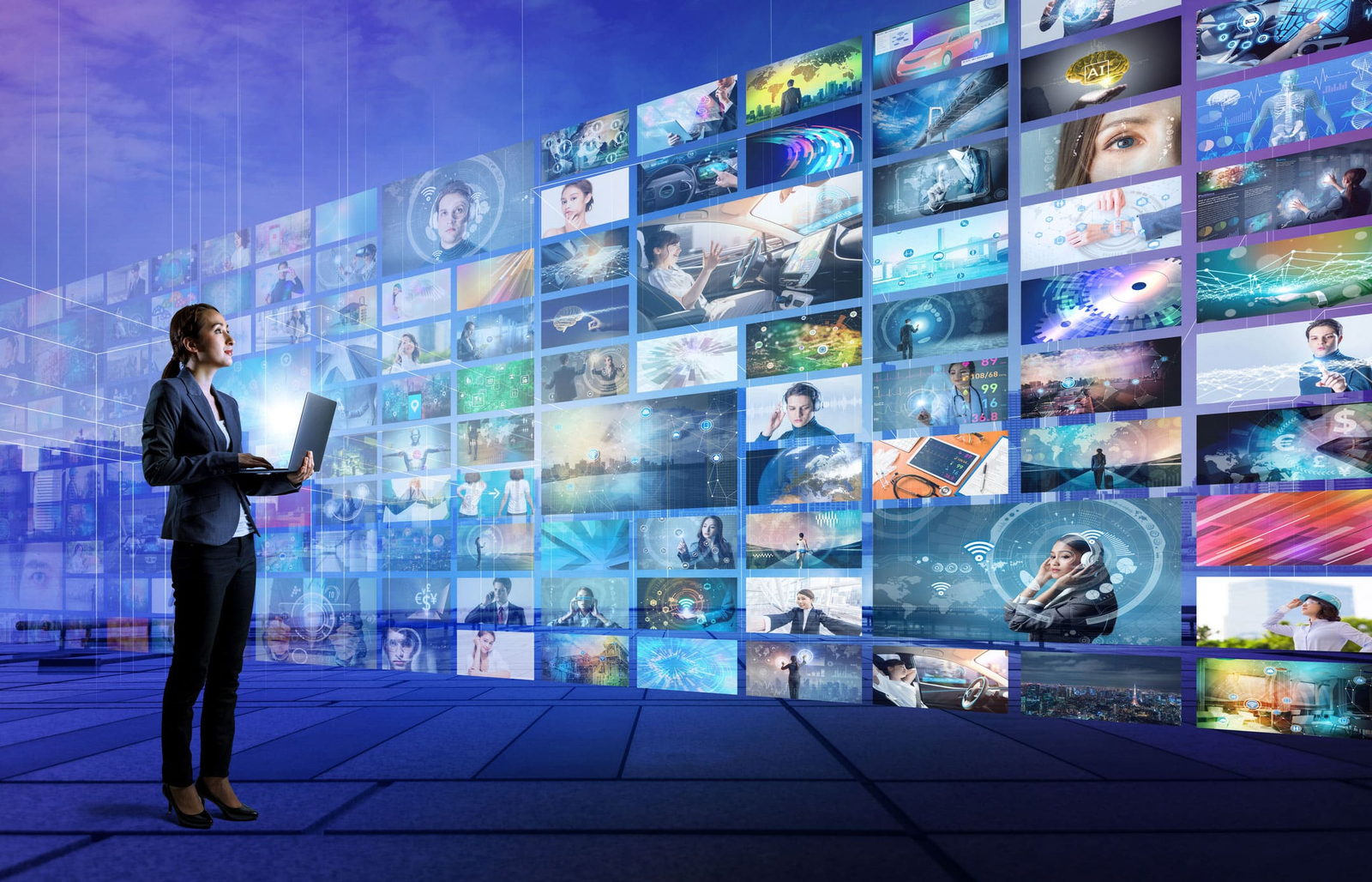
The era of passively sitting on the couch while a television network decides what you watch is officially over. Today, entertainment isn’t something that just gets broadcast to us—it’s something we interact with, reshape, talk about in real-time, and carry around in our pockets.
Whether you’re falling down a midnight rabbit hole of short-form videos, listening to a favorite creator break down a movie trailer, or playing an online game that feels more like a digital hangout space than a competition, the boundaries of modern media have dissolved.
Streaming Is Becoming More Personalized
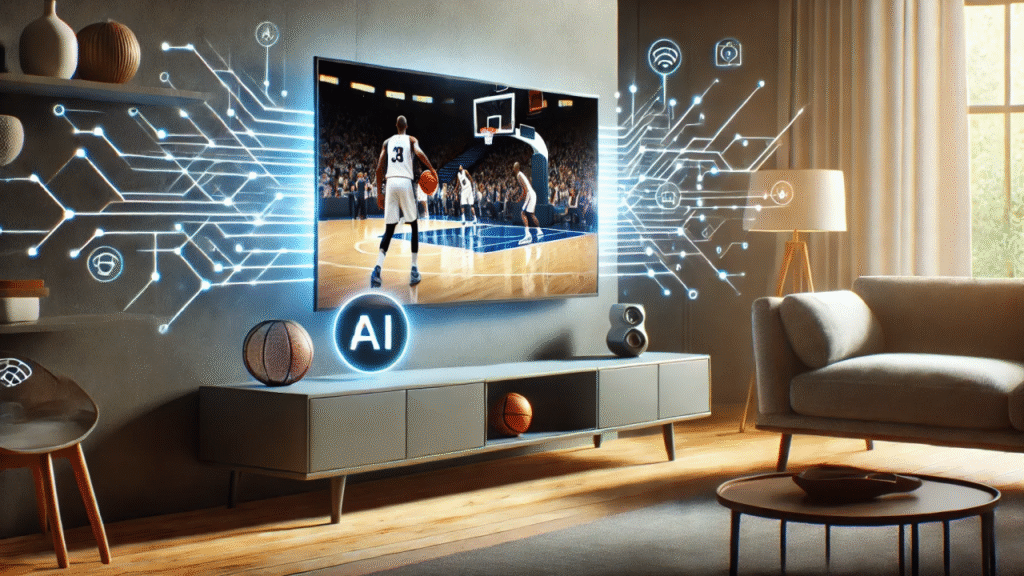
Streaming platforms have changed the way people discover entertainment. Instead of everyone watching the same television schedule, viewers can choose what they want and when they want it.But having thousands of choices can also create a problem
That is why personalized recommendations are becoming increasingly important. Platforms are getting better at understanding viewing habits and suggesting movies, shows, and other content based on individual interests.
The result is a more personalized entertainment experience where two people using the same platform can end up with completely different recommendations.
The New Entertainment Landscape
Entertainment in 2026 is defined by four core shifts: Interaction, Personalization, Community, and Convergence. The line between the “creator” and the “audience” has never been thinner.
| Entertainment Pillar | Old Model | Today’s Shift | Primary Driver |
| Video & Streaming | Mass-market TV schedules | Highly personalized algorithmic feeds | Recommendation engines & short-form platforms |
| Audio & Podcasts | Audio-only radio broadcasts | Multi-format video podcasts & short clips | YouTube, Spotify & clip-based social media |
| Gaming & Social | Single-player / Competitive | Digital hangouts & virtual event spaces | Sandbox games & live community streaming |
| Creator Economy | Studio-controlled talent | Direct creator-to-fan relationships | Livestreams, community hubs, direct subscriptions |
Major Shifts Shaping How We Watch, Play, and Listen
1. Algorithmic Personalization & The Death of “Prime Time”
Two people opening the exact same app on their phones will see entirely different media landscapes. Advanced recommendation systems have replaced traditional network schedules, curation teams, and even movie trailers. While this makes finding content tailored to your exact micro-interests easier than ever, it has also fragmented pop culture—everyone is obsessed with their own specific, hyper-niche worlds.
2. Short-Form Video as the Cultural Incubator
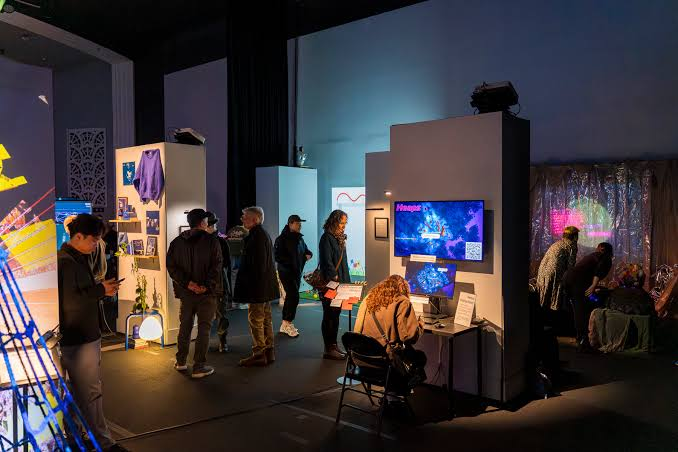
Short-form content is no longer just quick distraction material. It is now the primary launchpad for mainstream culture. A ten-second audio clip can propel an independent musician to the top of global charts; a rapid-fire movie reaction can make or break opening-weekend hype; and rising creators build massive, loyal followings without ever stepping foot inside a traditional television studio.
3. The Rise of Video Podcasts & Conversational Media
Audio is no longer strictly audio. Podcasts have transformed into full-fledged visual talk shows. Viewers tune in to watch multi-angle video setups of their favorite hosts, while short, highlight clips flood social feeds to hook new listeners. This dual format gives audiences flexibility: listen while commuting, or watch the full production when settling in at home.
4. Gaming as the Ultimate Social Third Place
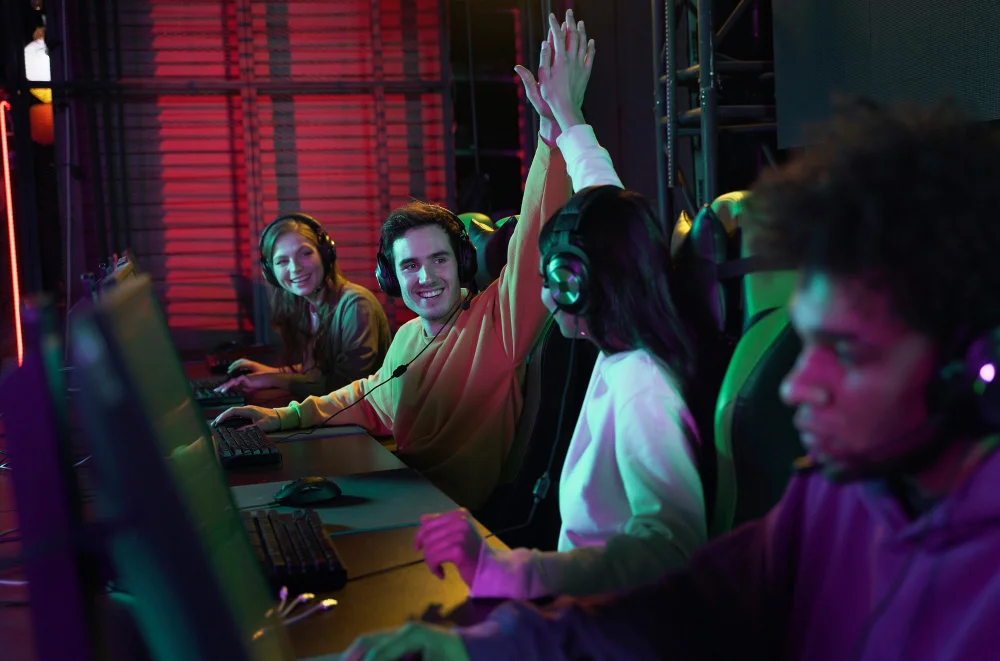
For millions of people—especially younger generations—online games are no longer just about points, levels, or competition. They function as digital public squares. Friends drop into virtual worlds simply to hang out, chat, listen to live music events, or customize their avatars. Gaming has swallowed elements of social media, fashion, and live events into a single interactive space.
5. AI Collaboration in Creative Workflows
Artificial intelligence tools have settled into practical roles across production. Creators, artists, and studios use generative tech to draft visual concepts, edit footage faster, compose background scores, or touch up audio. However, the core of memorable storytelling remains fiercely human: true emotional resonance, nuanced humor, and shared human experience cannot be procedurally generated by an algorithm.
Fan Communities Are More Powerful
Fans are no longer just consumers.
They create memes, theories, edits, fan art, discussions, reaction videos, and entire online communities around the entertainment they love.
These communities can keep a movie, show, game, or artist relevant long after the original release.
In many cases, the conversation surrounding entertainment becomes part of the entertainment itself.
Fan Culture: From Spectators to Co-Creators
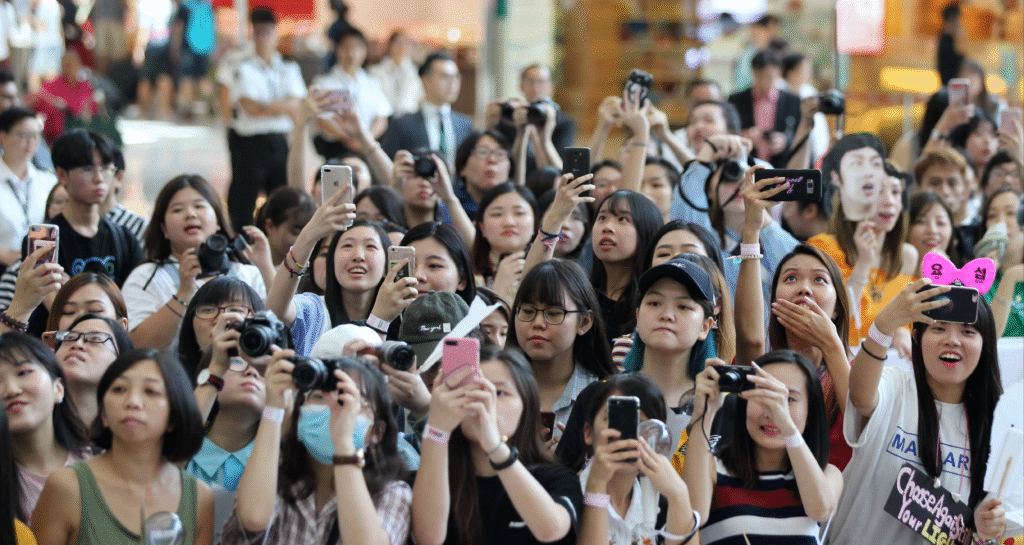
The biggest quiet revolution in media is that fans are no longer passive consumers standing on the sidelines. They are active participants who directly influence a property’s shelf life.
- Fan Theories & Breakdowns: Communities unpack every frame of a trailer or show episode within minutes of its release, creating a second wave of entertainment content around the original piece.
- Remix & Edit Culture: Fan edits, custom audio tracks, and visual mashups frequently go more viral than official promotional material, keeping franchises relevant for months or years.
- Direct Audience Feedback: Live streams allow audiences to chat with hosts in real time, cast votes, ask live questions, and directly steer the direction of a broadcast as it unfolds.
How These Trends Are Changing the Way We Consume Entertainment
The biggest shift is not any single technology or platform.
It is the move from passive viewing to active participation.
People want to watch, comment, share, create, react, discuss, and sometimes influence what happens next.
Entertainment is becoming something people experience across multiple platforms rather than in one place.
A movie might start in a theater, continue through social media discussions, generate memes, inspire fan theories, and eventually become part of a streaming library.
That entire journey is now part of modern entertainment.
What Works for Creators & Storytellers Today
Whether you are an independent creator, a filmmaker, a podcast host, or a brand trying to capture attention in today’s crowded space, chasing every single viral trend is a quick recipe for burnout. The most successful modern storytellers focus on timeless fundamentals:
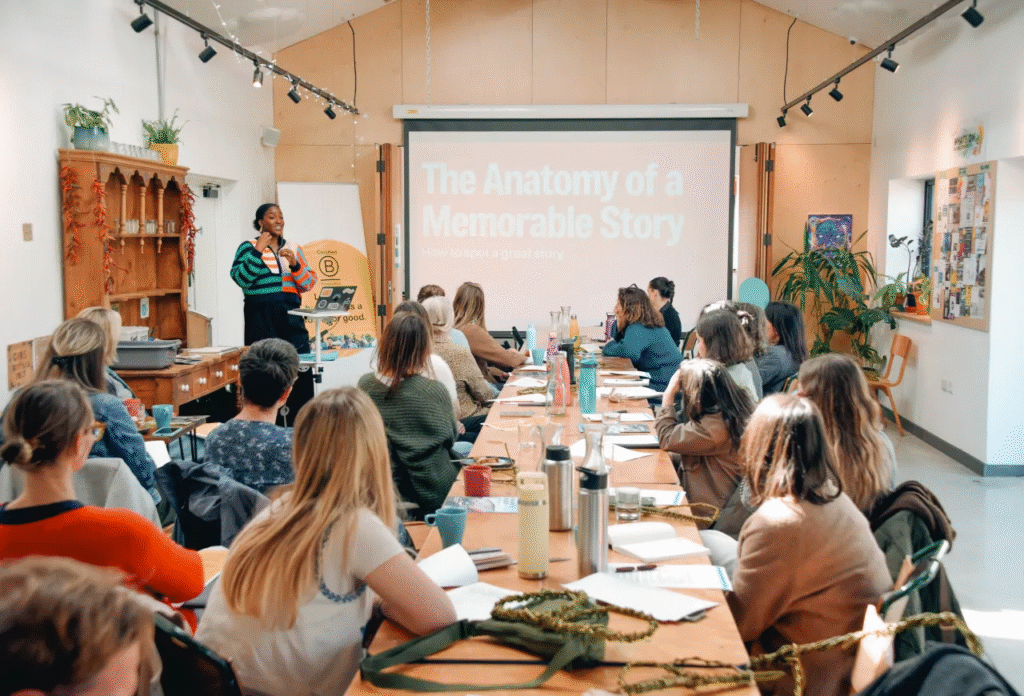
- Nurture Genuine Connection: Audiences can spot forced, corporate tone instantly. Raw, authentic, and consistent human perspective will always beat hyper-polished, soulless content.
- Repurpose Thoughtfully across Formats: Take one great piece of long-form content (an interview, a documentary, a deep-dive essay) and slice it into bite-sized clips, visual quotes, and interactive polls across different platforms.
- Respect Your Niche: You don’t need a audience of millions to build a sustainable media brand. A deeply engaged, dedicated community of ten thousand fans is far more valuable than a million passive scrollers.
Media in 2026 is participatory, fluid, and endlessly varied. The most exciting realization is that you are no longer just along for the ride—you help decide where entertainment goes next.
FAQ’S
1. What are the top entertainment trends in 2026?
Streaming, short-form videos, AI, gaming, podcasts, live content, and creator-led entertainment are major trends in 2026.
2. How is AI changing entertainment?
AI is helping with content creation, editing, visual effects, music, and other parts of entertainment production.
3. Is short-form video still popular in 2026?
Yes. Short-form videos continue to influence music, movies, memes, creators, and online culture.
4. Why is creator-led entertainment growing?
Creators build direct relationships with their audiences through videos, podcasts, livestreams, and social media.
5. What entertainment trends should creators follow in 2026?
Creators should focus on authentic storytelling, short-form content, interactive formats, community building, and smart use of new technology.