
The definition of a great vacation has undergone a massive shift. While lounging poolside with an umbrella drink still has its place, more travelers are actively trading passive relaxation for mud on their boots, wind in their face, and high-altitude views that make every drop of sweat worthwhile. Modern adventure travel isn’t just about chasing an adrenaline rush; it is about stepping away from daily digital noise, testing physical and mental boundaries, and establishing a genuine connection with wild, untamed corners of the planet.
As we look across 2026, the global outdoor space offers an incredible spectrum of terrain. Whether you crave arctic solitude, cultural immersion along historic alpine routes, or deep tropical jungle expeditions, these six destinations represent the absolute pinnacle of wilderness exploration.
Chilean & Argentine Patagonia: The Crown Jewel of Alpine Wilderness
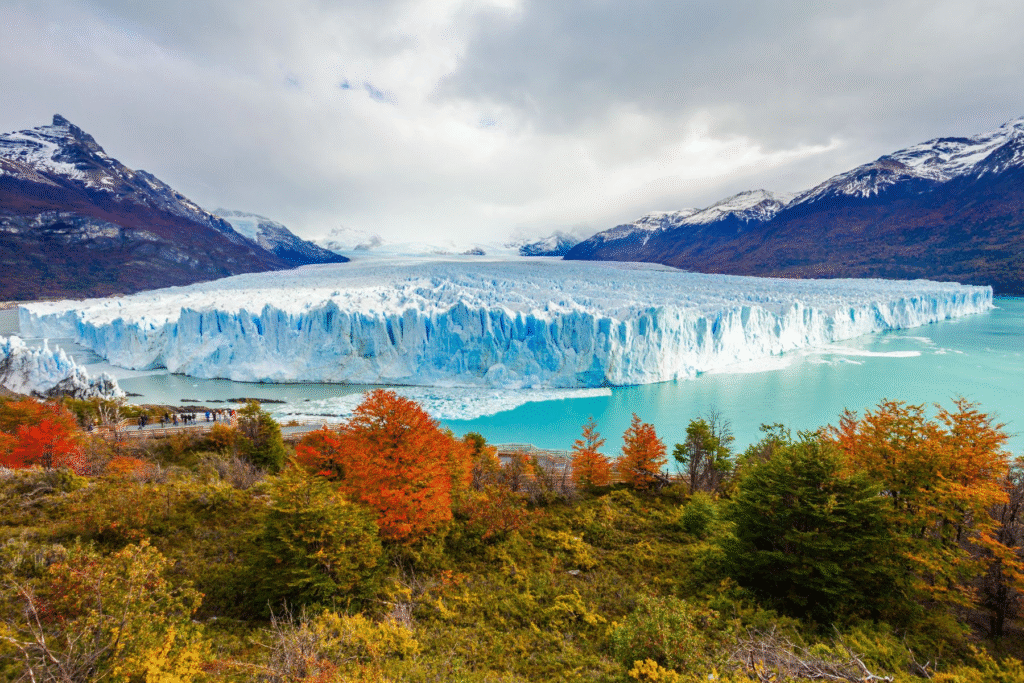
There is an undeniable, grounding moment when you first stand before the sheer granite towers of Torres del Paine or watch the jagged peak of Mount Fitz Roy pierce a rushing cloud line. It feels like reaching the literal edge of the earth. Spanning the southern cone of South America, Patagonia remains the heavyweight champion for multi-day trekking and vast, wind-swept landscapes.
Patagonia offers two distinct styles of mountain exploration depending on which side of the border you step foot on:
- The Chilean Experience: Dominated by Torres del Paine National Park, this region is home to world-renowned routes like the multi-day W Trek and the comprehensive O Circuit. Backcountry hikers navigate past milk-blue glacial lakes, wind through dense lenga forests, and camp beneath colossal walls of rock.
- The Argentine Experience: Centered around El Chaltén, Argentina’s self-proclaimed trekking capital, this area favors high-reward day hiking with remarkable accessibility. You can leave a comfortable mountain town in the morning, log an eight-hour round-trip trek through dramatic glacial valleys to Laguna de los Tres, and be back in time for local craft beer and an authentic asado steak dinner.
| Regional Overview | Details |
|---|---|
| Best Time to Visit | November to March (Southern Hemisphere Summer) |
| Primary Disciplines | Multi-day backpacking, glacier ice-trekking, fjord kayaking |
| Terrain Profile | Glacial valleys, granite spires, sub-antarctic forests |
| Difficulty Rating | Moderate to Strenuous |
The 2026 Route Network: Expanded conservation initiatives led by public-private land trusts have interconnected northern rainforests and deep coastal fjords along the Route of Parks. This massive conservation corridor lets hikers step off the crowded classic trails and into untouched southern wilderness.
The Italian Dolomites: World-Class Hiking with Alpine Comfort
For travelers who want rigorous mountain terrain paired with rich culinary traditions and a warm bed at night, the Dolomites in Northern Italy deliver an exceptional balance. The region’s limestone spires, rolling alpine meadows, and brilliant turquoise tarns create a landscape that feels almost unreal.
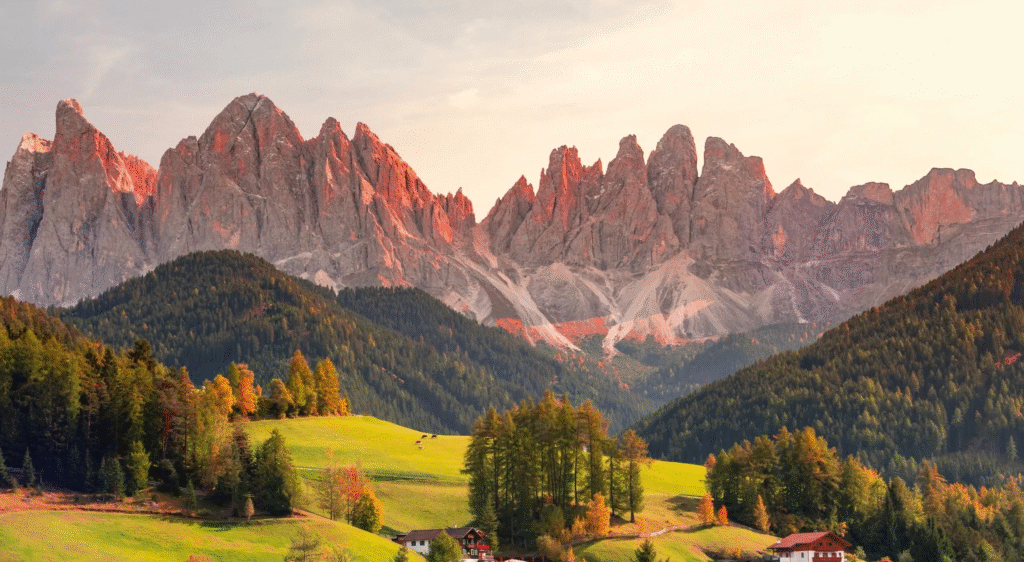
- Hut-to-Hut Trekking (Rifugios): Traversing high-altitude routes like the Alta Via 1 or Alta Via 2 does not require heavy expedition gear. The network of mountain huts (rifugios) scattered along the ridges provides hot meals, local South Tyrolean wine, comfortable bedding, and panoramic terrace views high above the valley floors.
- Via Ferrata Iron Paths: Born out of military necessity during World War I, these secured climbing routes utilize fixed steel cables, iron rungs, and suspended bridges. They allow non-expert climbers with basic safety harnesses to scale steep rock faces safely.
- High-Alpine Access: Integrated cable car networks make high points like Tre Cime di Lavaredo, the Seceda ridge, and Val di Funes accessible to hikers of varying endurance levels without requiring multi-day approaches.
In the wake of infrastructure investments from the 2026 Winter Olympic Games in Cortina d’Ampezzo, trail access, localized transit, and mountain facilities are at an all-time high, making summer and autumn backcountry treks seamlessly efficient.
Kyrgyzstan: High-Altitude Nomad Trails of Central Asia
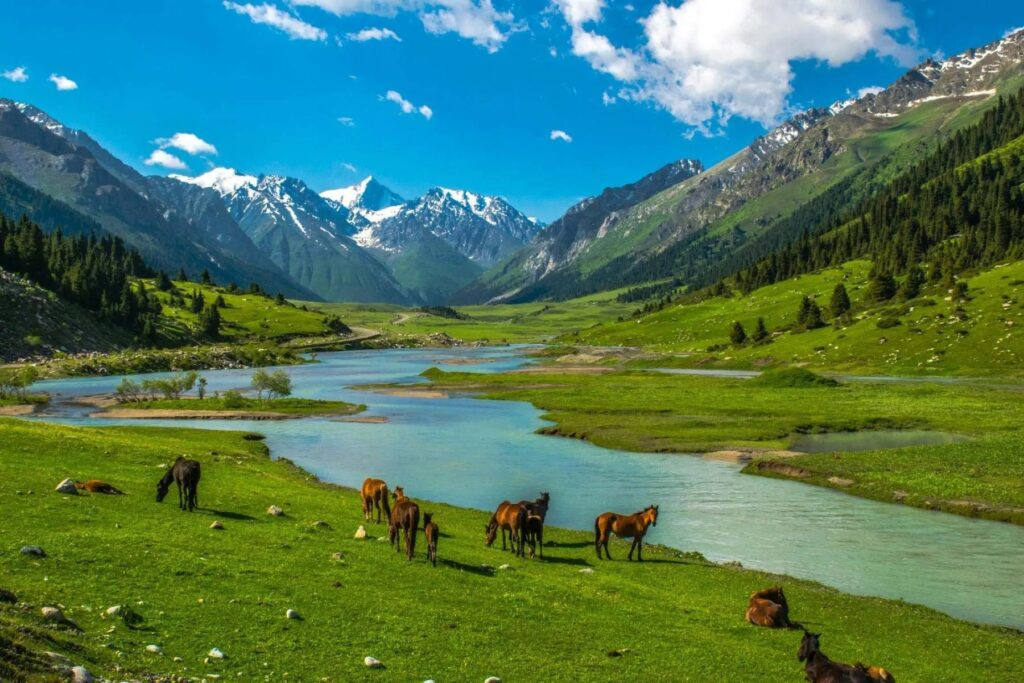
For adventurers looking to head far off the grid, Kyrgyzstan represents one of the final true frontiers of wilderness travel. With over 90% of its landmass covered by mountain ranges—primarily the formidable Tian Shan—this Central Asian country offers untouched terrain deeply tied to centuries of nomadic heritage.
An expedition through Kyrgyzstan is as much about cultural immersion as it is about physical endurance:
- High-Altitude Horse Trekking: Saddle hardy local horses to cross vast, treeless alpine pastures (jailoos) near Song-Kol Lake, spending evenings inside traditional felt yurts hosted by semi-nomadic herdsmen.
- Alpine Backpacking: The route to Ala-Kul Lake demands a steep climb over a 3,900-meter mountain pass, rewarding hikers with sweeping views of a vivid turquoise glacial lake tucked deep inside the Tian Shan range.
- Community-Based Tourism (CBT): Kyrgyzstan’s nationwide CBT network ensures that trail fees, guide costs, and homestay expenses directly support mountain communities, women’s cooperatives, and rural families.
Greenland: The Arctic Frontier for Expedition Travel
As global summer temperatures rise, travelers are increasingly drawn north toward cooler latitudes. Greenland has transitioned from a remote polar outpost into an premier destination for cold-weather backcountry adventures. Completely devoid of interconnecting highway networks, moving across Greenland requires an expedition mindset.
| Expedition Sector | Focus Activity |
|---|---|
| Ilulissat Icefjord | Sea kayaking alongside giant icebergs in a UNESCO World Heritage site |
| The Arctic Circle Trail | 160 km of self-sustained wilderness backpacking across open tundra |
| Disko Bay | Coastal polar navigation, marine wildlife tracking, and glacier hiking |
Standing on the rocky coast near Ilulissat, you can hear the deep, thunderous crack of ice calving off the Sermeq Kujalleq glacier. Out on the water, sea kayakers paddle past towering blue icebergs while watching for surfacing humpback whales.
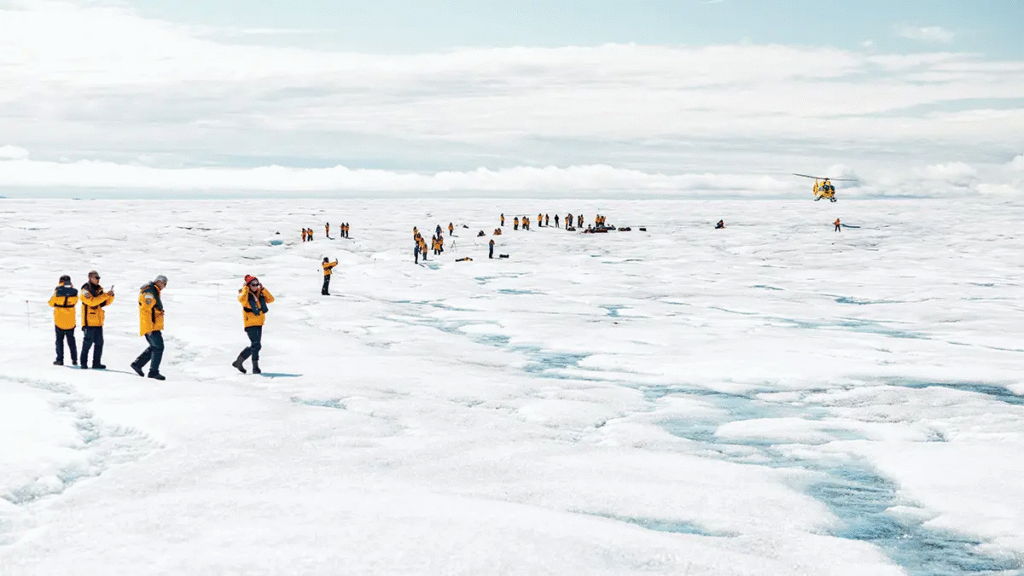
Further inland, the Arctic Circle Trail offers one of the quietest long-distance treks in the Northern Hemisphere. Stretching from the edge of the massive Greenland Ice Sheet to the coastal settlement of Sisimiut, this 100-mile trail cuts through silent river valleys where hikers frequently encounter arctic foxes, reindeer, and massive muskoxen.
Japan’s Kumano Kodo: Spiritual Pilgrimage through Ancient Forests
While Japan is often celebrated for its high-tech urban centers, its mountainous interior holds deep forest trails steeped in rich history. Located on the Kii Peninsula south of Osaka, the Kumano Kodo is an ancient network of pilgrimage routes that has been walked for over a thousand years by emperors, monks, and travelers alike.
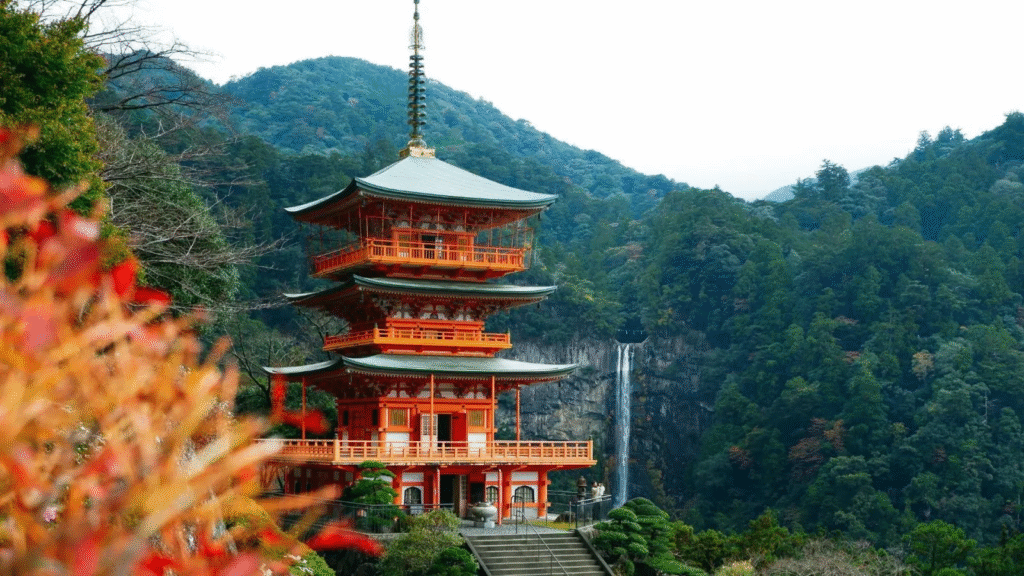
Hiking the primary Nakahechi Route takes you through towering groves of Japanese cedar (sugi), over gentle mountain passes, and down moss-covered stone stairways (ishi-dami). The trail leads to sacred Shinto shrines, including the famous Kumano Nachi Taisha, where a red three-story pagoda sits set against Nachi Falls—Japan’s tallest uninterrupted waterfall.
What elevates the Kumano Kodo experience is the daily routine: after logging 12 to 18 miles on foot, hikers descend into river valleys to rest at traditional inns (ryokans), soak in natural geothermal hot springs (onsen), and eat seasonal mountain dishes sourced directly from the surrounding valleys.
Costa Rica: High-Biodiversity Tropical Expeditions
For travelers who prefer warm weather, dense rainforest canopies, and diverse wildlife, Costa Rica remains an unbeatable choice. Long recognized as a global pioneer in eco-tourism, this Central American nation packs roughly 5% of the world’s total biodiversity into a compact geographic area.
| Adventure Hub | Key Wilderness Activities |
|---|---|
| Arenal & La Fortuna | Volcanic terrain hiking, canyoning, suspended canopy treks |
| Pacuare River Basin | Multi-day whitewater rafting (Class III-IV) through jungle gorges |
| Osa Peninsula (Corcovado) | Multi-day deep jungle trekking and coastal wildlife tracking |
| Monteverde Reserve | High-altitude cloud forest hikes and canopy ziplining |
The strength of a Costa Rican expedition lies in its environmental diversity:
- Volcanoes & Rivers: You can spend the morning trekking across old lava beds around Arenal Volcano, and by afternoon be navigating the Class IV rapids of the Pacuare River as it cuts through untouched primary rainforest.
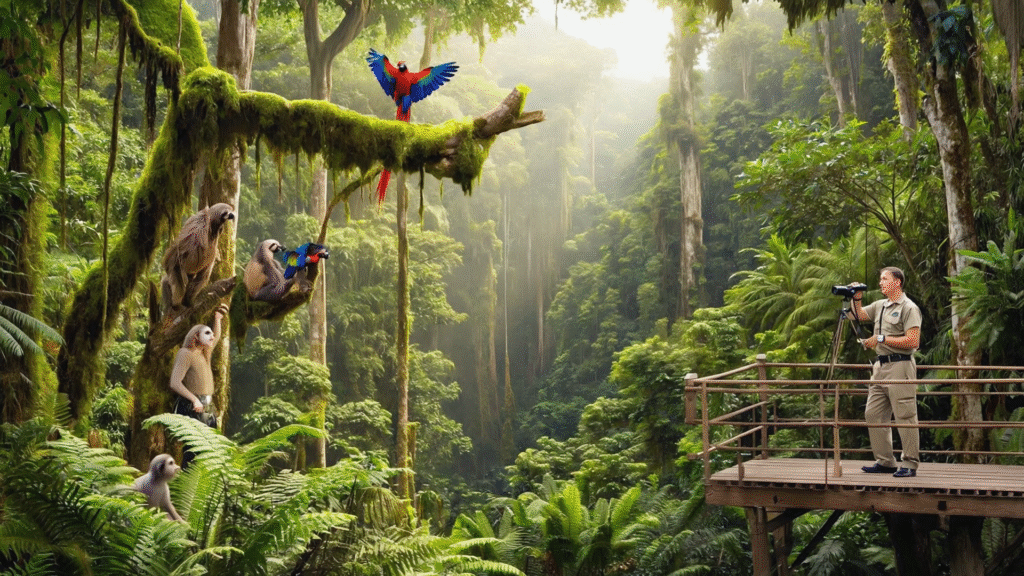
- Deep Jungle Wilderness: For a more demanding expedition, Corcovado National Park on the remote Osa Peninsula offers raw coastal and rainforest trails. Hiking here requires navigating humid tropical tracks shared with tapirs, scarlet macaws, jaguarundi, and four native species of monkeys.
Essential Gear Strategy for Remote Travel
Proper preparation transforms a tough trip into an unforgettable experience. Matching your gear setup to your environment is critical for safety and comfort in variable terrain:
- Layering Systems: Weather in dynamic environments like Patagonia or Greenland can swing from calm sunshine to freezing precipitation in minutes. Focus on high-grade merino wool base layers, an insulating mid-layer (down or high-loft synthetic), and a reliable, breathable waterproof shell.
- Footwear Prep: Break in your hiking boots at least six to eight weeks before departure. Blisters and poor fit remain the most common reasons backcountry trips end early.
- Water & Waste Management: Bring a field-repairable water filter or UV purifier alongside reusable bladders to avoid relying on single-use plastic bottles in fragile ecosystems.
- Satellite Communication: Even when hiking with local guides, carrying an independent satellite messenger (such as a Garmin inReach) allows for two-way communication, real-time tracking, and SOS capability in zero-cell-coverage zones.
Planning Your 2026 Wilderness Journey
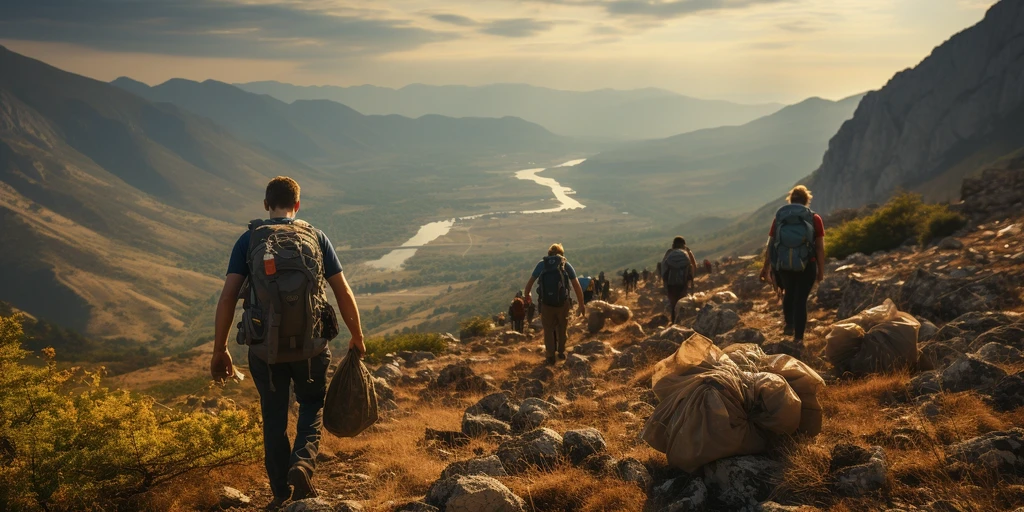
At its core, outdoor adventure travel is an exercise in intentionality. It asks you to set aside everyday distractions, step out of established comfort zones, and rely on your own feet to move through the world.
Whether you find yourself navigating the jagged peaks of the Italian Dolomites, riding across the open steppes of Central Asia, or tracking wildlife through Costa Rica’s cloud forests, these destinations offer a chance to reset. Prepare early, respect the environments and cultures you visit, and leave space for the unexpected moments that turn a simple trip into a lifelong story.
FAQ’S
1. What are the best outdoor adventures to try in 2026?
Popular outdoor adventures include hiking, trekking, camping, rafting, kayaking, rock climbing, cycling, wildlife safaris, and mountain activities.
2. Which outdoor adventures are suitable for beginners?
Hiking, camping, nature walks, cycling, and beginner-friendly kayaking are good options for people who are new to outdoor adventures.
3. What should I pack for an outdoor adventure?
Essential items may include comfortable clothing, sturdy footwear, water, snacks, sunscreen, a first-aid kit, navigation tools, and weather-appropriate gear.
4. How can I stay safe during outdoor activities?
Check the weather, understand the route, carry essential safety equipment, stay hydrated, follow local guidelines, and let someone know about your travel plans.
5. What are the benefits of outdoor adventures?
Outdoor activities can provide opportunities to stay active, explore nature, reduce everyday stress, develop new skills, and create memorable travel experiences.