

Modern medicine stands at a transformative crossroad. For over a century, the dominant paradigm has been reactive—a system designed to intercept disease only after symptoms emerge, tissue damage occurs, or functional decline becomes undeniable. This reactive framework, often categorized as traditional or acute-care healthcare, has saved millions of lives in emergency scenarios, trauma management, and late-stage crisis intervention.
However, when applied lifestyle to chronic, non-communicable metabolic, cardiovascular, neurodegenerative, and oncological conditions, the reactive approach falls profoundly short. It manages sickness rather than cultivating wellness.
The Multi-Tiered Architecture of Prevention: From Primordial Roots to Tertiary Management

Preventive medicine is not a monolithic concept; it is an integrated, multi-tiered framework designed to intervene at every stage of the human health continuum. Understanding the nuance between these levels reveals how proactive care protects both individual longevity and systemic public health infrastructure.
Primordial Prevention: Protecting the Human Environment
At the foundational base lies primordial prevention, which addresses the broad environmental, economic, policy, and social conditions that dictate health outcomes. It targets the underlying determinants of health before any individual risk factors are even established. This includes macro-level initiatives such as urban air quality management, regulatory limits on environmental endocrine disruptors, access to nutrient-dense real foods, and structural policies that combat sedentary urban design. By building environments that naturally foster physiological equilibrium, primordial prevention reduces the cumulative toxic load and oxidative stress on entire populations.
Secondary Prevention: The Power of Asymptomatic Early Detection

- Advanced Imaging Diagnostics: Traditional screening relies on basic modalities, whereas advanced secondary prevention employs technologies such as low-dose CT scans, full-body high-field MRIs, and coronary computed tomography angiography (CCTA) with AI-assisted soft plaque analysis. Detecting soft, unstable arterial plaque allows for aggressive stabilization strategies long before a catastrophic myocardial infarction occurs.
- Precision Screenings: Regular mammograms, low-dose lung CTs, and colonoscopies allow clinicians to detect dysplastic cells, carcinoma in situ, or precancerous polyps. Removing a localized polyp during a routine screening entirely halts the adenoma-to-carcinoma sequence.
- Molecular Diagnostics and Liquid Biopsies: Next-generation sequencing (NGS) of cell-free circulating tumor DNA (cfDNA) now enables multi-cancer early detection (MCED) from a simple blood draw, locating early-stage malignancies when surgical or targeted interventions carry near-complete cure rates.
Tertiary Prevention: Mitigating Impact and Restoring Functionality
Once a disease is clinically diagnosed, tertiary prevention takes center stage. Unlike traditional management—which may simply attempt to mask ongoing symptoms—advanced tertiary prevention aims to slow or arrest disease progression, minimize long-term anatomical disability, restore metabolic autonomy, and prevent secondary complications.

Comprehensive Comparison Matrix
| Clinical Dimension | Traditional Reactive Healthcare | Proactive Preventive Healthcare |
| Primary Trigger | Symptom emergence or physical crisis | Routine, scheduled diagnostic baselines |
| Diagnostic Horizon | Late-stage (visible structural damage) | Molecular, cellular, and early subclinical stage |
| Clinical Interventions | Pharmaceuticals, invasive surgeries, acute care | Lifestyle modification, targeted nutraceuticals, early precision procedures |
| Risk Factor Analysis | Reactive (treated during symptom management) | Stratified, continuous (genetic, epigenetic, biomarker profiling) |
| Patient Position | Passive recipient of emergency care | Active co-architect of personal health strategy |
| Economic Dynamics | High-cost, late-stage, recurring intervention | Low-cost per quality-adjusted life year (QALY) saved |
| Systemic Goal | Reduction of mortality rates during crisis | Maximization of healthspan, vitality, and cellular resilience |
Risk Assessment Methodologies
Preventive care evaluates risk as a complex, dynamic network. Interventions target the root causes (e.g., insulin resistance, systemic inflammation, endotoxemia) rather than simply altering a downstream physiological metric with a pill.

Utilizing multi-omic platforms—including genomic sequencing, metabolomic profiling, continuous glucose monitoring, and advanced lipidology practitioners identify metabolic dysregulation decades before clinical hypertension or dyslipidemia occurs.
The Diagnostics Frontier: Early Detection Technologies
The transformation of preventive care from a set of general recommendations into a precise scientific discipline relies heavily on advanced diagnostic technologies. Companies operating at the edge of longevity science, such as Fountain Life, deploy advanced screening toolkits that make traditional annual physical exams look obsolete.
Full-Body High-Field MRI
Conventional MRI scans are ordered for targeted areas after a specific complaint. Advanced preventive screening utilizes ultra-high-field whole-body MRI protocols powered by artificial intelligence. These scans construct a comprehensive, non-invasive anatomical map of the body, detecting:
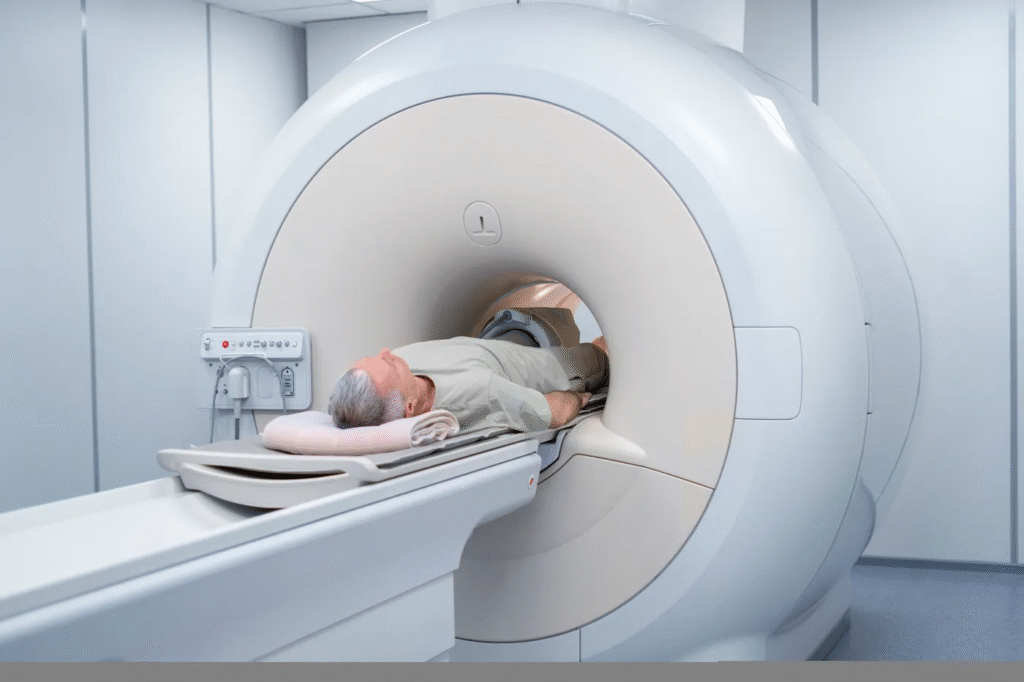
- Early-stage solid tumors in the brain, pancreas, liver, kidneys, and pelvis while still under a few millimeters in size.
- Silent brain aneurysms and microvascular white matter hyperintensities before stroke events occur.
- Structural organ anomalies, fatty liver infiltration (NAFLD/MASLD), and visceral fat distribution.
AI-Enhanced Coronary CT Angiography (CCTA)
Standard stress tests and basic EKGs frequently miss vulnerable, soft arterial plaque—the primary culprit behind sudden catastrophic heart attacks. Advanced CCTA paired with neural network algorithms allows clinicians to look inside the coronary arteries with sub-millimeter precision.
Multi-Cancer Early Detection (MCED) via Liquid Biopsy
Malignant tumor cells shed fragments of DNA into the bloodstream, known as circulating tumor DNA (cfDNA). Next-generation sequencing protocols analyze methylation patterns on this cfDNA to pinpoint the presence of over 50 types of cancer—many of which have no standard screening tests, such as pancreatic, ovarian, and esophageal cancers. Identifying a tumor signal at Stage I or II drastically changes prognosis, transforming terminal diagnoses into manageable, curable conditions.
Comprehensive Omics and Functional Biomarkers
- Genomics & Polygenic Risk Scores (PRS): Uncovers inherited genetic vulnerabilities to specific conditions (e.g., BRCA mutations, APOE4 alleles, elevated Lp(a) genetics), allowing for personalized surveillance protocols.
- Epigenetic Biological Age Clocks: Measures DNA methylation patterns to determine an individual’s true biological age versus chronological age, serving as a master metric for evaluating the efficacy of anti-aging and preventive interventions.
- Advanced Gut Microbiome Sequencing: Analyzes microbial diversity, short-chain fatty acid production, and gut barrier integrity, addressing systemic immune dysregulation at its primary source.
The Integrated and Collaborative Care Model

Modern preventive medicine rejects the isolated silo model of care. Achieving long-term human performance and disease avoidance requires an Integrated Care Architecture powered by a multidisciplinary team of experts working in unison.
Patient Empowerment Through Education and Literacy
True prevention requires moving away from paternalistic medicine. When individuals are educated on their own biological data—understanding what their ApoB, fasting insulin, and biological age scores actually mean—they transform from passive recipients of medical orders into active CEOs of their own health.
Empowered patients make intentional daily choices regarding sleep hygiene, circadian alignment, stress management, and physical movement. Education bridges the gap between diagnostic insights and sustained daily execution.
Chronic Disease Management Reimagined: The Preventive Framework
For individuals already living with chronic health conditions, the principles of preventive medicine provide a powerful roadmap for halting progression, reducing pharmaceutical reliance, and restoring quality of life.

Metabolic Health & Type 2 Diabetes Management
Conventional management of Type 2 Diabetes often relies on a escalating series of medications to manage blood sugar, treating the elevated glucose as the disease itself rather than a symptom of systemic hyperinsulinemia and cellular energy overload.
- Preventive Reimagining: Utilizing continuous glucose monitors (CGMs), high-intensity resistance training to deplete muscle glycogen, periodic fasting protocols, and targeted insulin-sensitizing compounds (such as Berberine or GLP-1 receptor agonists utilized in low, strategic doses). This approach targets the root cause—excess intracellular lipid accumulation and insulin receptor desensitization—frequently driving complete clinical remission.
Neurodegenerative Disease Mitigation (Alzheimer’s & Cognitive Decline)
Neurodegenerative diseases like Alzheimer’s begin 20 to 30 years before memory loss becomes clinically apparent. Traditional care offers very limited pharmaceutical options after cognitive decline has set in.

- Preventive Reimagining: Screening early for genetic risk factors like the APOE4 allele, tracking metabolic flexibility, addressing vascular micro-inflammation, treating chronic sleep fragmentation (which impairs the brain’s glymphatic clearance system), and maintaining high levels of Brain-Derived Neurotrophic Factor (BDNF) through daily aerobic exercise and continuous cognitive challenge. This multi-factorial approach protects synaptic density and neural integrity over the long term.
Summary Checklist for Personal Healthcare Transformation
To immediately transition from a reactive healthcare model to a proactive, preventive paradigm, implement the following steps:

- Establish a Comprehensive Diagnostic Baseline: Move beyond the basic annual blood test. Seek out advanced lipid panels (ApoB, Lp(a)), inflammatory markers (hs-CRP, Homocysteine), metabolic indicators (fasting insulin, HbA1c), and baseline imaging.
- Optimize the Core Pillars of Daily Lifestyle:
- Nutrition: Prioritize whole, unprocessed, anti-inflammatory foods that keep insulin levels stable.
- Exercise: Combine Zone 2 cardiovascular training for mitochondrial health with heavy resistance training for muscular and skeletal density.
- Sleep: Guarantee 7–9 hours of quality, uninterrupted sleep to optimize glymphatic brain clearance and hormonal recovery.
- Stress Management: Implement daily down-regulation techniques (breathwork, sauna, nature exposure) to reduce chronic sympathetic nervous system drive.
FAQ’S
- What is preventive healthcare?
Preventive healthcare focuses on preventing diseases through regular checkups, vaccinations, screenings, and healthy lifestyle habits. - Why is preventive healthcare important?
It helps detect health problems early, reduces the risk of chronic diseases, and supports better long-term health. - How often should I get a health checkup?
Most adults should have a routine checkup once a year, though your doctor may recommend a different schedule based on your age and health. - What are common preventive healthcare services?
Common services include vaccinations, blood pressure checks, cholesterol testing, cancer screenings, and routine physical exams. - Can a healthy lifestyle reduce disease risk?
Yes. Eating a balanced diet, exercising regularly, getting enough sleep, avoiding tobacco, and limiting alcohol can significantly lower the risk of many diseases.