
The human mind is a complex landscape, often weighed down by the quiet, accumulated friction of daily responsibilities, unanswered emails, and the endless noise of modern living. In the midst of this mental clutter, laughter acts as an immediate reset button—a physiological and emotional exhale. A truly great piece of comedy doesn’t just pass the time; it lightens the heavy atmosphere in a room, softens the edges of a rough afternoon, and gently reminds us that despite all our serious ambition, human existence is fundamentally absurd.
Whether it’s an impeccably written situation comedy, a raw and conversational stand-up performance, an animated masterpiece, or a fifteen-second video clip sent by a friend at two in the morning, comedy remains an irreplaceable pillar of human sanity. It offers a sanctuary of genuine joy in a world that so often demands rigid seriousness.
The Psychology of the Punchline: Why Humor Heals
Laughter is one of the few universal human languages that requires no formal translation. While the specific mechanics of a joke can vary dramatically across geographic borders and cultural contexts, the physical and emotional reaction remains identical. At its core, humor thrives on the tension between expectation and surprise. A skilled comedian or writer walks us down a familiar path, only to pivot suddenly into an unexpected clearing, catching our logical mind off guard and forcing a burst of involuntary, cathartic sound.
This sudden mental shift does something remarkable to our internal chemistry:
- Shattering Emotional Fatigue: Serious drama demands empathy and processing power; thrillers keep our nervous system on high alert. Comedy, conversely, grants our cognitive faculties permission to rest, releasing physical tension held in the shoulders, jaw, and chest.
- Building Social Anchors: Humor is inherently magnetic. When a group of people laugh together at the exact same moment, an invisible thread of mutual understanding is drawn between them. The funniest lines in a film or show rapidly evolve into inside jokes—verbal shorthand that friends, partners, and coworkers use for years to signal belonging and shared memory.
- Reframing Daily Adversity: Humor allows us to step outside our immediate panic and observe our struggles from a safe distance. By transforming awkward social encounters, career failures, or family chaos into narrative comedy, we strip those events of their power to hurt us.
The Living Room Sanctuary: Sitcoms and Familiar Comforts

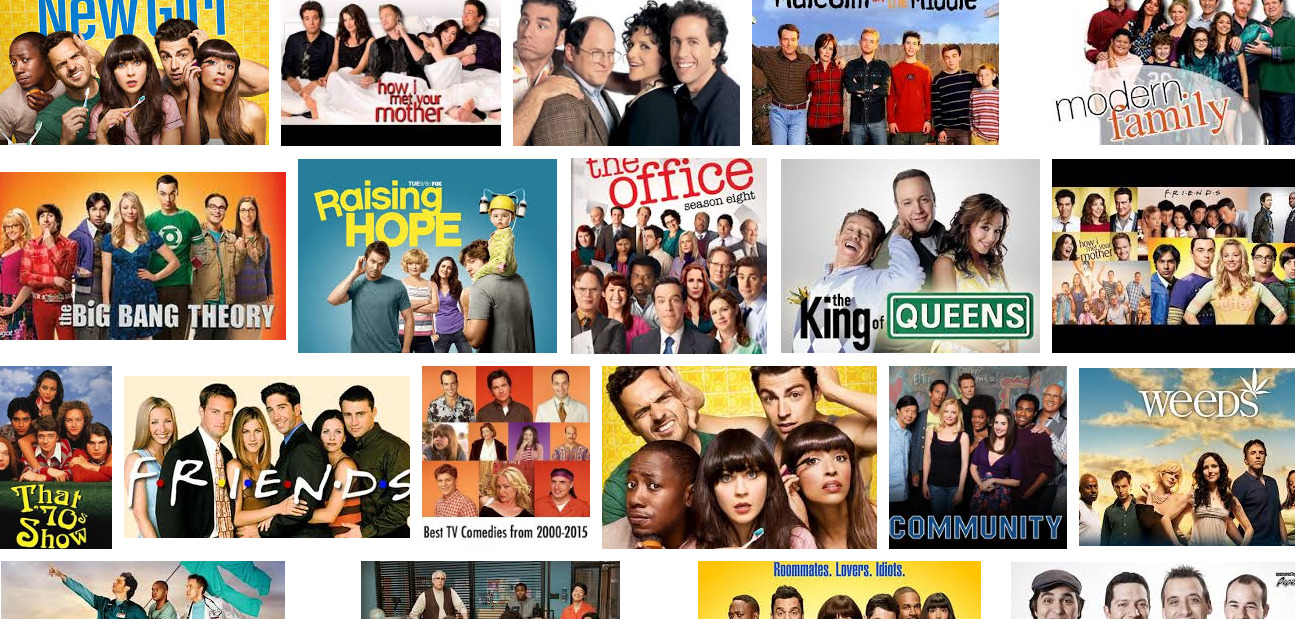
There is a distinct reason why multi-season situation comedies are the ultimate comfort food for the human soul. Unlike sprawling cinematic epics that demand complete, uninterrupted immersion, the sitcom fits effortlessly into the micro-moments of real life. Their short runtimes—typically hovering around twenty minutes—offer a contained, highly predictable sanctuary of lighthearted resolution.
When we return to a beloved sitcom night after night, we are not merely seeking new narrative twists; we are seeking the warm, unhurried company of familiar personalities. The characters become digital roommates. We know precisely how they will react to a crisis, what ridiculous rationalizations they will make, and how their flaws will inevitably trip them up.
This deep familiarity creates a profound sense of psychological safety. In an unpredictable world where real-life outcomes are uncertain, knowing that a half-hour television show will end with a lighthearted resolution provides an invaluable sense of order and peace.
Stand-Up Comedy: The Craft of Raw Observation
If a sitcom is an engineered play, stand-up comedy is an intimate, high-wire act of solitary storytelling. Armed with nothing more than a microphone, a stool, and a collection of personal thoughts, a stand-up comedian stands alone before a room full of strangers, tasked with rendering the mundane absurd and the uncomfortable hilarious.
The magic of great stand-up lies in its brutal, liberating honesty. The best performers operate like mirror-holders for society, articulating the unspoken anxieties, petty thoughts, and bizarre habits that most of us hide out of fear of judgment:

- The Validation of the Ordinary: When a comedian describes a bizarre micro-habit—such as rehearsing an imaginary argument in the shower or stalling in a parked car just to finish a song—the audience experiences a collective flash of relief: “It isn’t just me.”
- Vulnerability as Strength: By stepping onto a stage and openly detailing their personal failures, bad dates, or embarrassing mishaps, comedians transform personal shame into communal triumph. They show us that perfection is an illusion and that our flaws are precisely what make us interesting.
- The Rhythm of Speech: Great stand-up relies as much on cadence, pauses, and tone as it does on words. A pregnant silence or an exaggerated inflection can convert a plain statement into an unforgettable moment of hilarity.
The Infinite Canvas: Animation and Visual Play
Animation offers comedy a level of narrative freedom that live-action productions simply cannot match. Unbound by the stubborn laws of physics, budget constraints, or human physical limitations, animated humor operates in a realm of pure, unadulterated imagination.
In the animated universe, a character can be flattened by a falling piano in one frame and pop back into shape in the next, converting violent physical catastrophe into harmless, joyful slapstick. Yet modern animated comedy has evolved far beyond simple physical gags.
Contemporary animated series for adults utilize their surreal environments to deliver some of the sharpest social satire and deepest philosophical observations in modern television. They balance colorful, energetic visual design with sophisticated, multi-tiered writing—layering background gags for attentive viewers while maintaining a fast-paced, accessible narrative on the surface.
The Digital Playground: Memes and Micro-Humor
The advent of the internet and social media has democratized the creation and distribution of humor, giving rise to entirely new, rapid-fire comedic forms. Comedy is no longer strictly produced by Hollywood writers’ rooms or polished on comedy club stages; it is crafted continuously by millions of ordinary people reacting in real time to the world around them.

Internet humor thrives on hyper-specificity and extreme speed. A bizarre news event or cultural moment can spawn thousands of variations of a single meme template within hours. This micro-humor acts as a real-time emotional processing system for society—a way for millions of people across the globe to collectively laugh at stressful global events, technological absurdities, and the shared exhaustion of modern work culture.
The Comfort of the Rewatch: Why Old Jokes Never Die
We live in an age of endless content, where thousands of new films and series are uploaded to streaming services every week. Yet, when faced with an overwhelming library of fresh choices, millions of us choose to rewatch the exact same comedy series we have already seen five, ten, or twenty times.
This instinct is far from lazy; it is a sophisticated mechanism for self-care.
When you turn on a show you know by heart, the cognitive load drops to zero. There is no suspenseful anxiety over whether a favorite character will survive, no mental strain required to follow a complex plot, and no risk of an emotional letdown.
Instead, you enjoy the unique pleasure of anticipation—grinning in advance because you know your favorite character is about to deliver an iconic line or stumble into a classic trap. The familiar dialogue washes over you like a comforting melody, lowering your heart rate and providing a predictable, guaranteed refuge from the chaos of real life.
Matching the Humor to Your Inner State
Not all laughter serves the same emotional need, and learning to select the right style of humor for your specific mood is an art form in itself:
- When You’re Overwhelmed by Work: Turn to workplace satires or deadpan mockumentaries that make corporate bureaucracy look ridiculous.
- When You Feel Isolated: Seek out long-running ensemble sitcoms or conversational stand-up specials that feel like sitting in a room with warm, witty friends.
- When Your Mind Feels Sluggish: Opt for fast-paced animated comedies or clever, dialogue-heavy films that force your brain to keep up with rapid-fire wordplay.
- When You Just Need an Instant Reset: Scroll through a curated collection of physical slapstick, viral animal clips, or short-form sketches that demand zero long-term narrative commitment.

Ultimately, comedy is far more than a frivolous luxury or a casual distraction. It is an essential human coping mechanism—a resilient, joyful refusal to let the weight of the world crush our spirit. So the next time you feel the day pressing down on you, give yourself permission to step away, turn on something completely absurd, and let yourself laugh without restraint.
FAQ’S
1. Why is comedy entertainment so popular?
Comedy entertains people, reduces stress, and brings laughter into everyday life.
2. What are the main types of comedy entertainment?
Popular types include comedy movies, sitcoms, stand-up comedy, animated comedy, and online comedy videos.
3. Are comedy shows good for family viewing?
Yes, many family-friendly comedy shows and movies are suitable for all ages.
4. Can watching comedy improve your mood?
Yes, comedy can help you relax, reduce stress, and improve your overall mood.
5. Where can I watch comedy entertainment?
You can watch comedy on streaming platforms, television, movie theaters, and social media.